World Lung Cancer Day 2024

Joining Together for Lung Cancer Awareness and Support

On August 1st, we celebrate World Lung Cancer Day, a worldwide event focused on raising awareness about lung cancer and helping those affected by this disease. This year’s theme, “Stronger Together: United for Lung Cancer Awareness,” highlights the importance of working together to combat lung cancer. By joining forces, we can exchange information, fund research, and offer support to patients and their loved ones.

Understanding Lung Cancer

Lung cancer is a prevalent cause of cancer-related deaths globally, originating in the lungs and potentially spreading to other parts of the body if not caught early. There are two main types: non-small cell lung cancer (NSCLC) and small cell lung cancer (SCLC). NSCLC is more common, making up 85% of cases, while SCLC is less common but tends to grow and spread quickly.

The Importance of World Lung Cancer Day
World Lung Cancer Day 2024 serves as a crucial reminder of the ongoing battle against lung cancer. The main goals of this day are to:
  • Spread awareness: By educating people about lung cancer, its symptoms, and risk factors, we can help detect it earlier and improve outcomes.
 
  • Prevent lung cancer: Emphasize the importance of quitting smoking, reducing exposure to harmful substances, and adopting a healthy lifestyle to lower the risk of developing lung cancer.
  • Support patients and families: Offer information and resources to assist patients and their families in coping with the challenges of a lung cancer diagnosis and treatment.
  • Promote research: Advocate for more funding and support for lung cancer research to develop better treatments and, ultimately, find a cure.
The Importance of Community and Support System

The theme “Stronger Together: United for Lung Cancer Awareness” emphasizes the significance of community and support systems in battling lung cancer. Patients frequently encounter physical, emotional, and financial obstacles, and having a robust support network can greatly impact their experience.

Patient Support: Patients who have been diagnosed with lung cancer require a range of support services, including medical treatment, psychological counseling, and social assistance. Support groups and counseling can assist patients in managing the emotional effects of their diagnosis. Furthermore, having access to reliable information regarding treatment choices and clinical trials is crucial for making well-informed decisions.

Families and caregivers play a significant role in the patient’s journey. They provide essential care and emotional support, often putting their own needs aside. It’s important to recognize their efforts and provide them with resources to manage the stress and demands of caregiving.
 
Healthcare providers play a crucial role in fighting lung cancer. This World Lung Cancer Day in 2024, we celebrate their dedication to enhancing patient outcomes. By receiving ongoing education and training, healthcare professionals stay up-to-date with the most current information and techniques to deliver top-notch care.


Advancements in Lung Cancer Treatment
Research plays a crucial role in advancing the fight against lung cancer. Over time, there have been significant improvements in understanding the disease and creating new treatments. Some important areas of advancement include:
Targeted therapies: These treatments focus on specific mutations in cancer cells, providing a more personalized approach to treatment with fewer side effects compared to traditional chemotherapy.
  • Immunotherapy: This innovative method utilizes the body’s immune system to combat cancer cells. Immunotherapy has demonstrated promising outcomes in the treatment of certain types of lung cancer.
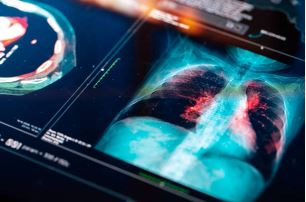
  • Early detection: Progress in imaging technology and screening techniques, such as low-dose CT scans, have enhanced the early identification of lung cancer, resulting in improved survival rates.
  • Genetic research: Understanding the genetic composition of lung cancer has created new possibilities for treatment, enabling more accurate and efficient therapies.
How You Can Get Involved
Here are several ways you can participate in World Lung Cancer Day 2024 and show your support for the cause:
  • Developing healthy habits: Avoid smoking and secondhand smoke is the best way to lower the chances of getting lung cancer. If you smoke, think about quitting and motivating others to do the same. You can also enhance the air quality in your surroundings by using air purifiers or growing plants that purify the air.
  • Encourage Cancer Screening: individuals who are at high risk for lung cancer to undergo screening. This includes current and former smokers, individuals over 55, and those who have been exposed to carcinogens. Detecting lung cancer early can lead to more successful treatment outcomes.
  • Advance research and support advocacy for lung cancer: Support lung cancer research organizations by donating or participating in fundraising events. You can also volunteer with local cancer support groups or advocacy organizations to make a difference.
  • Educate yourself and others: Discover more about lung cancer, including its risk factors and ways to prevent it. Spread this knowledge to your friends, family, and community to increase awareness.
  • Care & Support for those who have been affected: World Lung Cancer Day is dedicated to showing support for individuals affected by the disease. Take the time to connect with anyone you may know who has been touched by lung cancer, whether they are currently undergoing treatment, have overcome the disease, or are providing care for a loved one.

World Lung Cancer Day 2024 serves as a reminder that we are more powerful when we work together to combat lung cancer. By joining forces, we can increase awareness, provide support to patients and their loved ones, and push forward progress in research and treatment. Let’s come together on August 1st and beyond to make a meaningful impact on the lives of those affected by lung cancer.

Prioritizing Gut Health: Achievable Lifestyle Changes for Today and Beyond

As we settle into our habits for 2024, it’s important to reflect on our New Year’s resolutions. If you’re already feeling disappointed in your progress, it may be time to adjust your goals. Resolutions can be harsh and rooted in self-criticism, so instead of focusing on short-term accomplishments, let’s explore lifestyle changes that can support your gut health and overall well-being for years to come.

The gastrointestinal tract, often referred to as the GI tract or digestive system, is a marvel of biological engineering that plays a crucial role in our overall health and well-being. From the moment food enters our mouths to the point where waste is expelled, this intricate system carries out a series of complex processes that are essential for our survival.

The Journey Begins: Digestion in the Mouth

The journey of digestion begins in the mouth, where the process of mechanical and chemical digestion kicks off. Chewing breaks down food into smaller pieces, while enzymes in saliva start breaking down carbohydrates. This mixture of food and saliva forms a bolus that is then swallowed, moving down the esophagus to the stomach.

The Gastric Symphony: Digestion in the Stomach

Once in the stomach, the bolus is further broken down by gastric juices containing hydrochloric acid and enzymes. This acidic environment helps to kill bacteria and break down proteins. The resulting mixture, known as chyme, is gradually released into the small intestine for further digestion and absorption.

The Small Intestine: Absorption Central

The small intestine is where the majority of nutrient absorption takes place. Enzymes from the pancreas and bile from the liver help break down fats, proteins, and carbohydrates into their basic components for absorption. Villi and microvilli in the small intestine increase the surface area for nutrient absorption, allowing essential nutrients to enter the bloodstream.

The Colon: Home Stretch to Waste Management

As the digested food moves through the small intestine, any remaining water and electrolytes are absorbed in the colon. The colon plays a crucial role in forming and expelling waste in the form of feces. The balance of gut bacteria in the colon also plays a significant role in digestion and overall health.

The Gut-Brain Connection: Beyond Digestion

Recent research has highlighted the intricate connection between the gut and the brain, known as the gut-brain axis. This bidirectional communication system influences not only digestion but also mood, behavior, and overall health. A healthy gut is essential for a healthy mind.

Nurturing Your Gut Health :

Exercise for Digestive Efficiency
Though exercise may seem like an obvious goal, it can be closely tied to your digestive health. Daily physical activity keeps your digestive system active, allowing your intestines to pass waste more efficiently. Some of the best exercises to keep your gut moving include cardiovascular activities, walking, running, and yoga.

Hydrate, Hydrate, Hydrate
Drinking more water is a relatively minor change, but it can make a significant difference. Even if you’re still working on reducing sugary drinks or alcohol, try to supplement them with plenty of water and gradually replace them when possible. Drinking water with meals helps your body break down food, prevents constipation, and keeps you hydrated

Embrace Prebiotics and Probiotics

Maintaining a healthy digestive system is essential for your overall health. Focus on consuming both probiotics and prebiotics to ensure your gut is working at its best. Choose options that are close to nature, and do your research if you’re considering prebiotic or probiotic supplements.

Mindful Meal Choices
If you’re aware of specific digestive issues, use your experience and research to determine which foods to avoid. If you’re looking to make general improvements to your diet, try to incorporate more whole grains, leafy greens, and fermented foods. As these healthier options become a regular part of your routine, they’ll become a natural part of your grocery shopping and meal planning.

Consult a Gastroenterologist
Seeing a gastroenterologist is a great way to improve your digestive health in 2024. If you’re experiencing frequent heartburn, constipation, or abdominal pain, a specialist can help determine the underlying causes and set you on a path to better gut health. Common gastrointestinal issues include hemorrhoids, irritable bowel syndrome, celiac disease, and Crohn’s disease, and a gastroenterologist can provide the necessary guidance and treatment.

By focusing on these achievable lifestyle changes, you can prioritize your gut health and set yourself up for long-term well-being. Remember, small, sustainable steps are often more effective than drastic, short-term goals. Embrace the journey, and let your gut be your guide to a healthier, happier 2024 and beyond.

Stem Cell Therapy: Unlocking the Potential of Cellular Superheroes

Introduction to Stem Cell Therapy

Stem cell therapy, a rapidly evolving field in regenerative medicine, holds immense promise for the treatment of various diseases and conditions. Stem cells, with their unique ability to self-renew and differentiate into different cell types, offer a potential solution to repair and regenerate damaged tissues and organs. This article provides an overview of stem cell therapy, exploring the different types of stem cells, their applications in treating various disorders, the benefits and limitations of this therapy, the current state of research and development, as well as the ethical considerations and controversies surrounding its use. Additionally, we will delve into the future outlook of stem cell therapy, highlighting the potential advancements and transformative impact it may have on healthcare.

Definition and Overview of Stem Cell Therapy

Stem cell therapy: the fancy way of using the body’s own repair team to fix things. Stem cell therapy involves harnessing the incredible power of stem cells to treat and potentially cure a wide range of diseases and conditions. These tiny superheroes have the ability to differentiate into different cell types, making them perfect for regenerating and repairing damaged tissues.

Historical Context and Development of Stem Cell Therapy

Stem cell therapy is not just a futuristic concept. It has a fascinating history too! The journey began with the discovery of embryonic stem cells in the early 1980s, followed by the identification of adult stem cells in various tissues. Since then, scientists have been exploring ways to harness the potential of these cells for therapeutic purposes. The field has advanced by leaps and bounds, with groundbreaking research and clinical trials paving the way for promising treatments.

Understanding Stem Cells and their Types

 What are Stem Cells?
Think of stem cells as the body’s versatile builders – they have the power to become any type of cell in our bodies. From brain cells to heart cells, they can transform themselves into whatever is needed to repair and restore damaged tissues. Talk about flexibility!

Types of Stem Cells 

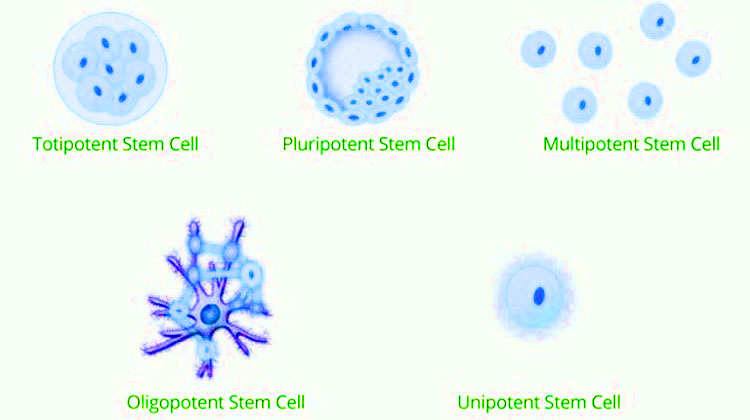
Stem cells come in different flavors, each with its own unique characteristics and capabilities. There are embryonic stem cells, which are harvested from embryos, and adult stem cells, found in various tissues like bone marrow and fat. There are even induced pluripotent stem cells, which are reprogrammed from adult cells to behave like embryonic stem cells. It’s like having a team of talented understudies ready to take on any role.

Characteristics and Properties of Stem Cells

Stem cells have some pretty cool qualities. They can self-renew, meaning they can divide and produce more stem cells. They also have the magical ability to differentiate into specialized cell types, from skin cells to muscle cells. This incredible versatility makes them ideal for repairing and replacing damaged tissues. No wonder they’re the superheroes of cellular biology!

Applications of Stem Cell Therapy

Treating Neurological Disorders

Imagine a world where conditions like Parkinson’s disease and spinal cord injuries could be treated effectively. Well, stem cell therapy brings us one step closer to that reality. Research suggests that stem cells can help replace damaged neurons and restore lost function in the nervous system. It’s like sending in a team of skilled surgeons to repair the most delicate machinery.

Regenerative Medicine and Tissue Repair

Say goodbye to long waits for organ transplants! Stem cell therapy holds the promise of regenerating damaged tissues and organs, eliminating the need for donor organs. Whether it’s a faulty heart or a worn-out liver, stem cells might just be the superheroes our bodies need to heal themselves from within.

Cardiovascular Conditions and Stem cell Therapy

When it comes to matters of the heart, stem cells don’t disappoint. Research suggests that these cellular superheroes can help repair damaged heart tissue and improve heart function. We might just be witnessing the dawn of a new era in treating heart diseases, thanks to the regenerative powers of stem cells.

Oncology and Stem Cell Therapy

Cancer, beware! Stem cell therapy has shown promise in the field of oncology as well. With their ability to differentiate into different cell types, stem cells can potentially be used to target and destroy cancer cells, while sparing healthy ones. It’s like unleashing an army of superheroes to fight the evil forces of cancer.

Benefits and Limitations of Stem Cell Therapy

Advantages of Stem Cell Therapy

Stem cell therapy offers a plethora of advantages. It has the potential to treat diseases that were once considered incurable. By using the body’s own cells, there is a reduced risk of rejection or complications. Moreover, stem cells can be obtained from various sources, making it accessible for a wider range of patients. It’s like a versatile Swiss army knife in the world of medicine!

Challenges and Limitations of Stem Cell Therapy

Of course, even superheroes have their limitations. Stem cell therapy is still a relatively new and evolving field, with much research and development needed to fully understand its potential and limitations. There are also ethical considerations surrounding the use of embryonic stem cells. The cost of treatments and the need for rigorous regulation are additional challenges that need to be addressed. But hey, every superhero has his kryptonite.

Evaluating the Safety and Efficacy of Stem Cell Therapies

As with any medical treatment, safety and efficacy are paramount. While stem cell therapy shows immense promise, it’s crucial to ensure that treatments are thoroughly evaluated and regulated. Rigorous clinical trials and scientific research are essential to establish the safety and effectiveness of stem cell therapies. After all, we don’t want our superheroes to have any hidden side effects up their capes. So, there you have it – a whirlwind tour of the fascinating world of stem cell therapy. With their incredible potential to heal and regenerate, stem cells are rewriting the rules of medicine. Who knows, one day they might just be the superpower we need to conquer even the most stubborn diseases and conditions. Avengers, assemble!

Current Research and Development in Stem Cell Therapy

Breakthroughs and Promising Discoveries

In recent years, the field of stem cell therapy has witnessed remarkable breakthroughs and promising discoveries. Scientists have successfully reprogrammed adult cells into induced pluripotent stem cells (iPSCs), which possess the ability to differentiate into various cell types. This advancement has opened up new possibilities for personalized medicine and regenerative therapies.

Furthermore, researchers have made significant progress in understanding the potential of stem cells to treat a wide range of diseases and conditions. From neurodegenerative disorders like Parkinson’s and Alzheimer’s to heart disease and diabetes, stem cell therapy shows great promise in restoring damaged tissue and improving patient outcomes.

Clinical Trials and Evidence-based Research

The efficacy and safety of stem cell therapy are supported by an increasing number of clinical trials and evidence-based research. These studies provide vital insights into the potential benefits and limitations of using stem cells for various medical purposes.

For instance, clinical trials have shown encouraging results in using stem cells to regenerate damaged cardiac tissue after a heart attack. Similarly, studies using stem cell-based therapies for spinal cord injuries have demonstrated improved motor function and sensory capabilities in patients. These evidence-based findings offer hope for patients and healthcare providers looking for innovative treatment options beyond conventional methods.

Evaluating the Safety and Efficacy of Stem Cell Therapies

As technology advances, so does the field of stem cell therapy. Researchers are constantly exploring innovative approaches to enhance the potential of stem cells in regenerative medicine.

One emerging trend is the development of organoids – miniature three-dimensional organ-like structures grown from stem cells. Organoids allow scientists to study the development and function of organs, providing valuable insights into disease mechanisms and potential treatments.

Additionally, researchers are investigating new avenues for stem cell delivery, such as using nanotechnology and bioengineering techniques to improve cell engraftment and maximize therapeutic effects.

Ethical Considerations and Controversies Surrounding Stem Cell Therapy

Ethical Debates and Moral Concerns

Stem cell therapy has been a subject of ethical debates and moral concerns due to the use of embryonic stem cells. The extraction of these cells often involves the destruction of human embryos, leading to ethical dilemmas. Nevertheless, the development of induced pluripotent stem cells (iPSCs) has alleviated some of these concerns, as they can be obtained without the use of embryos. This breakthrough has allowed the scientific community to move forward with research while respecting ethical boundaries.

Regulatory Frameworks and Guidelines

Given the ethical challenges, regulatory frameworks and guidelines have been put in place to ensure responsible and ethical use of stem cell therapy. These regulations vary across countries and aim to balance scientific progress with ethical considerations. In many jurisdictions, strict regulations govern the sourcing, handling, and administration of stem cells, emphasizing the need for rigorous oversight and informed consent from patients involved in clinical trials.

Public Perception and Acceptance of Stem Cell Therapy

Public perception of stem cell therapy has evolved over time. Initially, there was widespread skepticism and fear, fueled by misinformation and exaggerated claims. However, as scientific evidence accumulates and more success stories emerge, public acceptance has grown. Today, many people view stem cell therapy as a potential game-changer in medicine, offering hope to those suffering from debilitating diseases and conditions. However, it is essential to maintain transparency and communicate the limitations and risks associated with stem cell therapies to manage public expectations.

Future Outlook for Stem Cell Therapy

Potential Advancements and Therapeutic Possibilities

The future of stem cell therapy appears promising, with potential advancements and therapeutic possibilities on the horizon. Researchers are exploring cutting-edge techniques like gene editing to enhance the regenerative potential of stem cells further. Stem cell-based treatments for conditions like spinal cord injuries, neurodegenerative disorders, and even age-related degeneration show great promise for the future. The potential to repair and regenerate damaged tissues could revolutionize healthcare and improve the quality of life for countless individuals.

Technological and Scientific Advances

Technological and scientific advances will continue to play a crucial role in advancing stem cell therapy. Innovations such as 3D bioprinting, tissue engineering, and advanced imaging techniques will further enhance our understanding and utilization of stem cells. Moreover, collaborations between scientists, clinicians, and engineers will foster interdisciplinary research, leading to breakthroughs in stem cell therapy and its application across various medical fields.

Implications for Healthcare and Patient Care

The widespread adoption of stem cell therapy has the potential to transform healthcare and patient care. By harnessing the regenerative properties of stem cells, physicians can offer personalized, targeted treatments with the potential to address the underlying causes of diseases.

Additionally, as the field progresses, stem cell therapy may reduce the need for long-term medication use and invasive surgeries, leading to improved patient outcomes and reduced healthcare costs.

In conclusion, stem cell therapy holds immense promise for advancing medicine and improving patient care. While ethical considerations and controversies persist, ongoing research, clinical trials, and technological advancements will undoubtedly shape a future where stem cell therapy becomes an integral part of mainstream healthcare. In conclusion, stem cell therapy presents a promising pathway towards revolutionizing medical treatments and addressing the unmet needs of patients across diverse fields. The potential of harnessing the regenerative power of stem cells offers hope for those suffering from debilitating diseases and injuries. However, continued research, ethical considerations, and careful evaluation of safety and efficacy are crucial in ensuring the responsible and effective use of this therapy. As advancements continue to unfold, we anticipate a future where stem cell therapy becomes more accessible, reliable, and transformative in improving the lives of countless individuals worldwide.

green_ribbon_bile_duct_cancer-338fe7e610524ebbb27877b9ed460b95

Understanding the Silent Threat: Gallbladder and Bile Duct Cancer

green_ribbon_bile_duct_cancer-338fe7e610524ebbb27877b9ed460b95

Introduction to Gallbladder and Bile Duct Cancer

Gallbladder and bile duct cancer, also known as biliary tract cancer, is a rare and aggressive form of cancer that affects the gallbladder and the bile ducts. These cancers typically develop in the cells lining the inner walls of these organs and can cause a range of symptoms and complications. Understanding the causes, risk factors, signs, diagnosis, treatment options, and prognosis of gallbladder and bile duct cancer is crucial for early detection, effective management, and improved outcomes. This article provides an overview of these key aspects, as well as insights into supportive care, prevention strategies, and the importance of early detection in battling this challenging disease.

Understanding Gallbladder and Bile Duct Cancer

Today, we’re diving into the world of gallbladder and bile duct cancer. Now, I know cancer isn’t exactly a topic that brings a smile to your face, but fear not! We’ll break it down into bite-sized pieces and make it as easy to understand as possible.

Gallbladder and bile duct cancer, also known as cholangiocarcinoma, is a type of cancer that affects the gallbladder or the bile ducts. The gallbladder is a small organ located beneath the liver, responsible for storing bile produced by the liver. The bile ducts, on the other hand, are the tubes that carry bile from the liver to the small intestine. While gallbladder and bile duct cancer are not as common as some other types of cancer, they can still have a significant impact on a person’s health. Understanding the causes, symptoms, and diagnosis of this cancer is crucial for early detection and effective treatment.

Causes and Risk Factors of Gallbladder and Bile Duct Cancer

Potential Causes of Gallbladder and Bile Duct Cancer.
Identifying Risk Factors

Now, let’s talk about what could potentially cause gallbladder and bile duct cancer. It’s a complex topic, so bear with me!
While the exact causes of this cancer are not yet fully understood, there are some factors that might increase the risk. These include:

1. Age: Gallbladder and bile duct cancer is more common in older adults, with the risk increasing as we age.

2. Gender: Men are slightly more prone to developing this cancer than women, but both genders can be affected.


3. Chronic inflammation: Conditions like chronic bile duct inflammation or gallstones can increase the risk of developing gallbladder and bile duct cancer.

4. Primary sclerosing cholangitis (PSC): PSC is a chronic liver disease that causes inflammation and scarring of the bile ducts, putting individuals at a higher risk for developing cancer.

Remember, these factors don’t guarantee you’ll develop the cancer, but they can increase the likelihood. If you’re concerned about your risk, it’s always best to consult with a healthcare professional.

Signs and Symptoms of Gallbladder and Bile Duct Cancer

Early Warning Signs & Advanced Symptoms

Alright, let’s look at the signs and symptoms of gallbladder and bile duct cancer. Early detection is crucial, so keep an eye out for these warning signs:

1. Abdominal pain: It can range from mild discomfort to severe pain, usually located in the upper right side of the abdomen.

2. Jaundice: A yellowing of the skin and eyes due to a buildup of bilirubin, a yellow pigment produced by the liver. You might also notice dark urine or pale stools.

3. Unexplained weight loss: If you haven’t been trying to shed those extra pounds but notice a significant weight loss, it’s worth investigating.

4. Fatigue: Feeling tired and weak, even with enough rest, can be a symptom of gallbladder and bile duct cancer.

As the cancer progresses, more advanced symptoms may appear, such as nausea, vomiting, itching, and an enlarged gallbladder or liver. Remember, these symptoms can also be indicative of other conditions, so it’s essential to consult a healthcare professional for an accurate diagnosis.

Diagnosis and Staging of Gallbladder and Bile Duct Cancer

Okay, let’s get down to the nitty-gritty of diagnosing gallbladder and bile duct cancer. Your doctor may order a variety of tests and procedures to confirm the presence of cancer, such as:

1. Imaging tests: CT scans, MRIs, and ultrasounds can provide detailed images of the gallbladder and bile ducts, helping to identify any abnormalities.

2. Blood tests: Measuring levels of certain substances in the blood, such as liver enzymes and bilirubin, can provide insights into the health of the liver and bile ducts.

3. Biopsy: A tissue sample may be taken from the suspected area and examined under a microscope to determine if cancer cells are present.

Once the cancer is confirmed, it is then staged to determine how far it has progressed. The staging process helps guide treatment decisions:

– Stage 0: Considered non-invasive, with cancer cells confined only to the innermost layer of the gallbladder or bile ducts.
– Stage I-IV: As the stages progress, the cancer spreads further into nearby tissues and organs, potentially including lymph nodes and distant sites in the body.

Remember, every cancer journey is unique, so get connected with Panaceiaso, as we will guide you through the diagnosis and staging process with a help of an expert practitioner. Remember, knowledge is power, and understanding this condition is a step towards better healthcare.

Treatment Options for Gallbladder and Bile Duct Cancer

Surgical Interventions: When it comes to treating gallbladder and bile duct cancer, surgery is often the first line of defense. Surgeons may perform procedures like cholecystectomy (removal of the gallbladder) or hepatectomy (removal of part of the liver). It’s like removing those pesky weeds from your garden, but instead, it’s getting rid of cancerous cells.

Chemotherapy and Radiation Therapy: Chemotherapy and radiation therapy are like Batman and Robin, a dynamic duo fighting against cancer. Chemotherapy uses powerful drugs to destroy cancer cells throughout the body, while radiation therapy uses targeted radiation beams to kill cancer cells in a specific area. They may not have fancy capes, but they sure are effective in fighting the villain of gallbladder and bile duct cancer.

Targeted Therapies: Targeted therapies are the cool kids on the block. They use specific drugs or other substances to target cancer cells directly, without harming healthy cells. It’s like a sniper aiming for the bullseye. These therapies can block the growth of cancer cells or stop the signals that allow them to multiply. It’s precision medicine at its finest.

Management and Supportive Care for Gallbladder and Bile Duct Cancer

Palliative Care: It is like having a supportive friend by your side during tough times. It focuses on providing comfort and improving the quality of life for patients with gallbladder and bile duct cancer. It helps manage pain, relieves symptoms, and supports emotional well-being. It’s like a warm hug when you need it the most.

Diet and Nutrition: You are what you eat, right? Well, when it comes to gallbladder and bile duct cancer, maintaining a healthy diet is crucial. Eating a balanced diet rich in fruits, veggies, whole grains, and lean proteins can help support your body while undergoing treatment. It’s like giving your body the right fuel to fight against cancer.

Managing Side Effects of Treatment: Treatment can sometimes bring unwanted side effects, like fatigue, nausea, or hair loss. But fear not! There are ways to manage these side effects. Medications, lifestyle changes, and support from healthcare professionals can make the journey a little less bumpy. It’s like having your own personal cheerleader, helping you through every step.

Prognosis and Survival Rates of Gallbladder and Bile Duct Cancer

Factors Influencing Prognosis: Prognosis is like a crystal ball trying to predict the future. Many factors can influence the prognosis of gallbladder and bile duct cancer, including the stage of the cancer, the patient’s overall health, and how well they respond to treatment. It’s like a complicated equation with multiple variables, but doctors use these factors to estimate the outcome.

Survival Rates and Statistics: Survival rates and statistics are like those school report cards. They give us an idea of how patients with gallbladder and bile duct cancer are faring. Survival rates vary depending on the stage of the cancer, but advancements in treatment options have improved outcomes over the years. It’s like seeing progress in a subject you once struggled with.

Prevention & Early Detection Strategies for Gallbladder and Bile Duct Cancer

Lifestyle Modifications and Risk Reduction: Prevention is better than cure, they say. Making healthy lifestyle choices, such as maintaining a balanced diet, exercising regularly, and avoiding tobacco and excessive alcohol use, can help reduce the risk of gallbladder and bile duct cancer. It’s like putting on sunscreen to protect your skin from harmful rays.

Screening and Early Detection Measures Early detection is the superhero that can save the day. Regular check-ups, screenings, and imaging tests can help detect gallbladder and bile duct cancer at an early stage when treatment options are more effective. It’s like catching the bad guy before they wreak havoc. So don’t skip those routine appointments, they could be lifesavers!

In conclusion, gallbladder and bile duct cancer pose significant challenges and require comprehensive understanding and management. With advancements in diagnostic techniques, treatment options, and supportive care, there is hope for improved outcomes and enhanced quality of life for individuals affected by this disease. By raising awareness, promoting early detection, and supporting ongoing research, we can strive towards better prevention strategies and more effective treatments. It is crucial to continue spreading knowledge about gallbladder and bile duct cancer to support patients, caregivers, and healthcare professionals in their fight against this formidable illness.

Empowering Hope: Uniting Against Cancer on World Cancer Day

Introduction - World Cancer Day

World Cancer Day serves as a global platform to raise awareness about cancer, promote prevention strategies, and advocate for improved cancer care and support. With the increasing prevalence of cancer cases worldwide, it is crucial to understand the significance of this annual event in the fight against this devastating disease. This article explores the global impact of cancer, highlights the importance of promoting awareness and prevention, discusses advancements in treatment and research, addresses challenges in cancer care, and emphasizes the empowerment of cancer survivors and patients. Additionally, it examines collaborative efforts and future perspectives in the ongoing battle against cancer. By shedding light on these topics, we aim to contribute to the collective efforts to combat cancer and improve the lives of those affected by this disease

Understanding the significance of World Cancer Day

World Cancer Day is a global initiative that aims to raise awareness about cancer, promote early detection, and encourage actions to prevent and treat the disease. It serves as a reminder that cancer affects millions of people worldwide and highlights the importance of taking collective action to fight against it.
World Cancer Day was first established in 2000 at the inaugural World Summit Against Cancer, which took place in Paris. Since then, the day has been recognized annually on February 4th. Over the years, World Cancer Day has grown in prominence, with organizations, governments, and individuals coming together to organize events, campaigns, and fundraisers to support cancer research and education.

The Global Impact of Cancer

Cancer is a global health concern, with millions of new cases reported each year. According to the World Health Organization (WHO), cancer is the second leading cause of death globally, responsible for approximately 9.6 million deaths in 2018. The most common types of cancer include lung, breast, colorectal, prostate, and stomach cancer.
Several factors contribute to the increasing prevalence of cancer worldwide. These factors include aging populations, unhealthy lifestyles, exposure to carcinogens (such as tobacco smoke and environmental pollutants), and limited access to quality healthcare and cancer screenings in certain regions.

SOCIO-ECONOMIC IMPACT OF CANCER ON INDIVIDUALS AND COMMUNITIES

Cancer not only affects the physical and emotional well-being of individuals but also has significant socioeconomic implications. The cost of cancer treatment, loss of productivity due to illness, and the burden on healthcare systems can place a strain on individuals, families, and communities. Therefore, addressing cancer prevention and improving access to affordable treatment is crucial for reducing the economic impact of the disease.

Promoting Cancer Awareness and Prevention

Cancer awareness campaigns play a vital role in educating the public about the signs and symptoms of cancer, the importance of regular screenings, and lifestyle choices that can reduce the risk of developing the disease. By raising awareness, these campaigns empower individuals to take proactive steps towards their own health and encourage early detection.

Preventing cancer involves implementing strategies that aim to reduce exposure to carcinogens, encouraging healthy behaviors such as maintaining a balanced diet, regular exercise, and avoiding tobacco and excessive alcohol consumption. Additionally, vaccination programs for certain types of cancer, such as cervical cancer, have shown significant success in preventing the disease.

Educating individuals, healthcare professionals, and communities about cancer symptoms, risk factors, and available screening methods is crucial for early detection. Early diagnosis greatly improves treatment outcomes and increases the chances of survival. Initiatives that provide information, training, and resources for early detection, such as mammograms, Pap smears, and colonoscopies, can make a substantial difference in reducing cancer-related mortality rates.

Advancements in Cancer Treatment and Research


The field of cancer treatment has witnessed remarkable advancements in recent years. These include targeted therapies, immunotherapies, and precision medicine, which enable healthcare professionals to tailor treatment plans to individuals based on their genetic makeup and the specific characteristics of their cancer. Such personalized approaches have shown promising results in improving treatment effectiveness and reducing side effects. 

Precision medicine is revolutionizing cancer care by utilizing molecular and genetic information to identify specific therapies that are most likely to be effective for individual patients. By analyzing a patient’s tumor DNA, doctors can match them with targeted treatments that specifically address the genetic mutations driving their cancer. This approach enhances treatment outcomes and reduces the reliance on general treatments that may not be as effective for everyone.


Cancer research continues to explore new avenues for diagnosing, treating, and preventing the disease. Emerging trends include the use of artificial intelligence (AI) to analyze medical data and predict outcomes, advancements in liquid biopsies for early cancer detection, and the development of novel immunotherapies. Furthermore, ongoing research in genomics and epigenomics holds great potential in unraveling the complex nature of cancer and identifying innovative therapeutic targets.

World Cancer Day serves as a reminder that while cancer poses a significant global challenge, progress is being made in various areas, from prevention and treatment to research and awareness. By coming together, we can make a difference in the lives of those affected by cancer and work towards a future where the disease is less prevalent and more manageable.

Empowering Cancer Survivors and Patients

In the face of adversity, cancer survivors and patients display remarkable strength and resilience. Their stories serve as an inspiration to all, demonstrating that with determination and a positive mindset, it is possible to overcome even the toughest challenges. Let’s celebrate these stories of triumph, highlighting the journeys of those who have fought cancer and emerged stronger than ever. Their experiences remind us that we are capable of incredible things, even in the face of cancer.

Beyond treatment, it is essential to focus on survivorship and empowering patients to take an active role in their own care. Survivorship programs provide ongoing support and resources to individuals post-treatment, addressing their unique needs and helping them transition to a new normal. By advocating for the expansion of these programs and encouraging patients to become advocates for their own health, we can empower individuals affected by cancer and improve their long-term outcomes. 

Living with cancer or after treatment can present numerous challenges that impact a person’s quality of life. It is crucial to address these issues and find ways to enhance the well-being of cancer survivors.

 Whether through physical exercise programs, support groups, or initiatives that prioritize mental health, we can improve the overall quality of life for those affected by cancer. By focusing on survivorship as more than just survival, we can help individuals thrive in their post-cancer journey.

Collaborative Efforts in the Fight Against Cancer

When it comes to combating cancer, collaboration is key. Numerous international organizations are working tirelessly to promote cancer control and improve outcomes worldwide. By supporting these organizations and their initiatives, we can truly make a difference in the fight against cancer on a global scale. Together, we can pool our resources, knowledge, and expertise to create a world free from the burden of this devastating disease.

Cancer prevention and treatment require a multifaceted approach, and public-private partnerships play a vital role in this effort. By combining the strengths of government entities, healthcare providers, research institutions, and private organizations, we can develop comprehensive strategies that address the many facets of cancer control. These partnerships enable us to leverage the expertise and resources of different sectors, ensuring a more coordinated and effective response to the challenges posed by cancer.

In the fight against cancer, no one can go it alone. Multidisciplinary collaboration is essential for delivering the best possible care to patients. From oncologists and surgeons to psychologists and social workers, a team approach allows for comprehensive treatment plans and holistic support. By recognizing and promoting the importance of collaboration among different healthcare professionals, we can ensure that cancer patients receive the most personalized and effective care available.

Looking Ahead: Future Perspectives on Cancer Control

The future of cancer control looks promising, thanks to the emergence of innovative technologies. From advanced screening methods to targeted therapies and precision medicine, these technological advancements have the potential to revolutionize cancer care. Embracing these new tools and integrating them into our healthcare systems can lead to earlier detection, more personalized treatments, and improved outcomes for cancer patients.
One of the most significant factors in cancer survival is early detection. As we look ahead, it is crucial to explore innovative approaches that enable us to detect cancer at its earliest stages. From novel screening techniques to genetic testing and AI-powered diagnostics, there is a world of possibilities to explore. By investing in research and supporting the development of these approaches, we can improve early detection rates and save more lives.

To truly make an impact on the global cancer burden, we need to develop and implement comprehensive strategies. These strategies should focus not only on treatment but also on prevention, education, and improving access to care. By addressing the social determinants of health and implementing evidence-based policies, we can reduce the incidence of cancer and ensure that those affected by the disease receive timely and effective care. Together, we can create a future where cancer is no longer a widespread threat. 

In conclusion, World Cancer Day serves as a powerful reminder of the ongoing fight against cancer and the need for collective action. By working together to promote awareness, prevention, and support, we can make significant strides in reducing the global burden of cancer. Through advancements in treatment, research, and collaborative efforts, we have the potential to transform the landscape of cancer care and improve the lives of millions of people. As we look ahead, let us remain committed to the goal of a world free from the impact of cancer, where prevention is prioritized, treatment is accessible, and support is readily available for all. Together, we can make a difference in the fight against cancer. 

Unmasking Intimacy: Embracing the Journey of Erectile Dysfunction

We invite you to join us on a journey of self-discovery, empowerment, and intimacy as we explore the world of erectile dysfunction (ED). Our aim is to transform the conversation around ED, taking a holistic and imaginative approach to inspire and support individuals facing this condition. Get ready to unlock your potential and discover new ways to embrace intimacy with confidence and creativity.

Erectile dysfunction (ED) is a common condition, particularly among older men. According to the Massachusetts Male Aging Study, approximately 52% of men between the ages of 40 and 70 experience some degree of ED. The prevalence increases with age, with the condition affecting around 70% of men aged 70 and above.

ED affects men worldwide and can have a significant impact on individuals and relationships. Cultural and socioeconomic factors may influence the prevalence and perception of ED in different regions. It is considered a global health issue, impacting quality of life and overall well-being. Several risk factors contribute to the development of ED, including age, chronic health conditions, lifestyle choices, psychological factors, and medication use. Common underlying conditions associated with ED include cardiovascular disease, diabetes, obesity, hypertension, hormonal imbalances, and neurological disorders.


The Art of Communication: Communication lies at the heart of every meaningful relationship. We’ll delve into the importance of open, honest, and compassionate communication when discussing erectile dysfunction with partners, healthcare providers, and even within ourselves. We’ll explore creative ways to initiate conversations, express desires, and build stronger connections, fostering an environment of understanding and support.

Sensual Wellness, Engaging the Senses: Intimacy encompasses more than just physicality. We’ll explore the power of engaging all our senses to heighten pleasure and strengthen the connection between partners. From scented candles and massage oils to delectable aphrodisiac recipes and romantic playlists, we’ll ignite your imagination and encourage you to create memorable moments of intimacy.

Exploring Erotic Adventures: Living with ED doesn’t mean sacrificing excitement and adventure in the bedroom. We’ll dive into the realm of erotic exploration and invite you to embrace new experiences and fantasies. We’ll discuss role-playing, sensual games, adult toys, and other tools that can add a dash of excitement and ignite the flames of passion.

Embracing Emotional Intimacy: Intimacy is more than just physical; it’s about connecting on a deeper emotional level. We’ll explore strategies for cultivating emotional intimacy, including active listening, empathy, vulnerability, and the power of shared experiences. By nurturing emotional bonds, we can strengthen relationships and create a safe space for both partners to navigate the challenges of ED together.

Intimacy Beyond the Bedroom: True intimacy extends beyond the confines of the bedroom. We’ll explore how couples can strengthen their bond through shared activities, such as traveling, cooking together, dancing, or engaging in hobbies. We’ll provide creative ideas to reignite the spark and bring joy and connection into all aspects of life.

 Mindfulness and Self-Care: Self-care is essential for overall well-being, including sexual health. We’ll delve into mindfulness practices and stress-reduction techniques that can enhance relaxation, boost self-confidence, and improve sexual experiences. Through guided meditations, breathing exercises, and self-reflection, we’ll encourage individuals to prioritize their own well-being and embrace self-love.

Celebrating Diversity and Body Positivity: In a world that often promotes unrealistic standards of beauty and performance, we’ll celebrate diversity and body positivity. We’ll emphasize that beauty comes in all shapes, sizes, and abilities, and explore how embracing our bodies can enhance self-esteem and foster intimacy. Let’s break free from societal expectations and embrace our unique selves.

Erectile dysfunction is a part of life for many individuals, but it doesn’t define who we are or hinder our ability to experience fulfilling intimacy. Through creativity, communication, and a commitment to self-care, we can overcome challenges and cultivate vibrant and fulfilling connections. Join us on this extraordinary journey as we celebrate intimacy, explore new horizons, and unmask the true potential of relationships impacted by ED. Together, let’s paint a canvas of love, pleasure, and unbounded creativity.

Unravelling the Mystery of Thyroid: A Journey into Your Body’s Energy Commander

Nestled within your neck lies a powerful force responsible for orchestrating your body’s energy levels and overall well-being. The thyroid gland, resembling a delicate butterfly, holds the key to metabolism, growth, and countless bodily functions. Join us on this captivating exploration of thyroid health, as we delve into the enigmatic world of thyroid disorders, their elusive symptoms, diagnostic methods, and innovative treatments.

 The Thyroid Gland: A Metabolic Maestro

Picture the thyroid gland as a conductor in an intricate symphony. This small, but mighty, gland releases hormones that act as messengers, regulating metabolism, body temperature, and organ function. The harmonious interplay between the thyroid gland, hypothalamus, and pituitary gland forms the symphony known as the hypothalamic-pituitary-thyroid axis.

Unveiling the Thyroid’s Secret: Common Disorders Revealed

Hypothyroidism: When the thyroid gland falls into a slumber, it can lead to hypothyroidism. This condition manifests as a sluggish metabolism, fatigue, weight gain, persistent sadness, constipation, and parched skin—often leaving individuals feeling like they’re slogging through a foggy landscape.

Hyperthyroidism: In a dramatic twist, hyperthyroidism pushes the gas pedal to the floor. The thyroid gland goes into overdrive, causing a surge in metabolism. Symptoms include unexplained weight loss, a racing heartbeat, jitters, irritability, and intolerance to heat- creating a sense of living in a perpetual sprint.

Thyroiditis: Enter the villainous inflammation that can disrupt the thyroid’s balance. Autoimmune disorders or viral infections may spark thyroiditis, setting off a tumultuous chain reaction. Initially, hyperthyroid symptoms may arise, followed by a descent into hypothyroidism.

Unraveling the Clues: Symptoms and Diagnostic Adventures

Detecting thyroid disorders can be akin to solving a captivating mystery. Symptoms often intertwine, perplexing both individuals and healthcare professionals. To shed light on the enigma, blood tests to measure hormone levels (TSH, T3, T4), ultrasound imaging, and thyroid scans play the role of trusty detectives.

Medication: For those with hypothyroidism, synthetic thyroid hormone replacement therapy offers a lifeline, restoring balance to the body. Hyperthyroidism can be managed through anti-thyroid medications or the intriguing concept of radioactive iodine therapy, which tames the thyroid’s wild energy.

Surgical Adventure: In certain cases, the journey may take a surgical turn. Thyroidectomy, the removal of all or part of the thyroid gland, becomes necessary to thwart thyroid cancer or manage large goiters—signaling a daring expedition into the world of surgery.

Embracing the Radiance: Navigating Lifestyle for Thyroid Health : Beyond medical interventions, embracing a vibrant lifestyle can boost thyroid health. Nourishing your body with a balanced diet, rich in iodine and selenium, becomes an act of self-care. Managing stress levels, engaging in regular exercise, and embracing rejuvenating sleep form the pillars of a vibrant existence.

Pregnancy and Beyond WithinWithin the realm of pregnancy, the thyroid’s tale takes on new dimensions. Its influence on fetal development and pregnancy outcomes becomes a riveting saga. Regular monitoring of thyroid function during pregnancy becomes imperative, ensuring appropriate adjustments to treatments to foster a flourishing journey.


Embarking on a journey through the intricate world of thyroid health unveils the fascinating interplay between a small gland and our overall well-being. By unraveling the mysteries of common thyroid disorders, recognizing their symptoms, exploring diagnostic methods, and embracing innovative treatments, we empower ourselves to navigate the path toward optimal health. Remember, the thyroid gland is a captivating protagonist in the grand story of your body—by understanding its complexities, we can embark on a transformative adventure toward a vibrant and fulfilling life.