Sudden Cardiac Arrest (SCA): Causes, Signs & Treatment

Overview

Sudden cardiac arrest (SCA) is the sudden loss of all heart activity due to an irregular heart rhythm. Breathing stops. The person becomes unconscious. Without immediate treatment, sudden cardiac arrest can lead to death.

Emergency treatment for sudden cardiac arrest includes cardiopulmonary resuscitation (CPR) and shocks to the heart with a device called an automated external defibrillator (AED). Survival is possible with fast, appropriate medical care.

Sudden cardiac arrest isn’t the same as a heart attack. A heart attack happens when blood flow to a part of the heart is blocked. Sudden cardiac arrest is not due to a blockage. However, a heart attack can cause a change in the heart’s electrical activity that leads to sudden cardiac arrest.

Symptoms

Symptoms of sudden cardiac arrest are immediate and severe and include:

    • Sudden collapse.
    • No pulse.
    • No breathing.
    • Loss of consciousness.

Sometimes other symptoms occur before sudden cardiac arrest. These might include:

    • Chest discomfort.
    • Shortness of breath.
    • Weakness.
    • Fast-beating, fluttering or pounding heartbeat called palpitations.

But sudden cardiac arrest often occurs with no warning.

Causes

A change in the heart’s electrical activity causes sudden cardiac arrest. The change makes the heart stop pumping blood. No blood flow goes to the body.

How the heart beats

To understand sudden cardiac arrest, it may help to know more about the heart’s signaling system.

Electric signals in the heart control the rate and rhythm of the heartbeat. Faulty or extra electrical signals can make the heart beat too fast, too slowly or in an uncoordinated way. Changes in the heartbeat are called arrhythmias. Some arrhythmias are brief and harmless. Others can lead to sudden cardiac arrest.

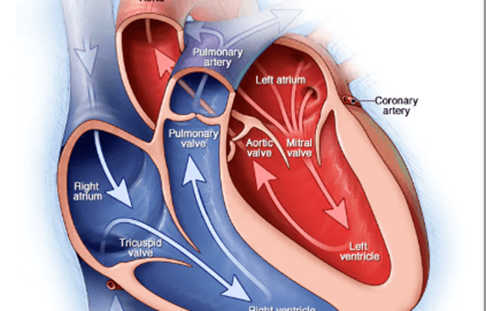
Chambers and valves of the heart

Heart conditions that can lead to sudden cardiac arrest

The most common cause of sudden cardiac arrest is an irregular heart rhythm called ventricular fibrillation. Rapid, erratic heart signals cause the lower heart chambers to quiver uselessly instead of pumping blood. Some heart conditions can make you more likely to have this type of irregular heartbeat.

However, sudden cardiac arrest can happen in people who have no known heart disease.

Heart conditions that can cause sudden cardiac arrest include:

    • Coronary artery disease. Sudden cardiac arrest may occur if the heart arteries become clogged with cholesterol and other deposits, reducing blood flow to the heart.
    • Heart attack. If a heart attack occurs, often as a result of severe coronary artery disease, it can trigger ventricular fibrillation and sudden cardiac arrest. Also, a heart attack can leave scar tissue in the heart. The scar tissue can cause changes in the heartbeat.
    • Enlarged heart called cardiomyopathy. This condition usually happens when the walls in the heart muscle stretch. The heart muscle gets bigger or thicker.
    • Heart valve disease. Leaking or narrowing of the heart valves can lead to stretching or thickening of the heart muscle. When the chambers get larger or weak because of stress caused by a tight or leaking valve, there’s an increased risk of developing an irregular heartbeat.
    • Heart condition present at birth, called a congenital heart defect. Sudden cardiac arrest in children or adolescents is often due to a heart condition that they’re born with. Adults who’ve had repair surgery for a congenital heart defect also have an increased risk of sudden cardiac arrest.
    • Long QT syndrome (LQTS) and other heart signaling conditions. Conditions such as long QT syndrome and Brugada syndrome cause the heart to beat in an unorganized way. If the heart rhythm isn’t quickly restored, sudden death can occur. Young people with LQTS are especially at risk of sudden death.

Risk factors

The same things that increase the risk of heart disease can raise the risk of sudden cardiac arrest. These include:

    • A family history of coronary artery disease.
    • Smoking.
    • High blood pressure.
    • High blood cholesterol.
    • Obesity.
    • Diabetes.
    • An inactive lifestyle.

Other things that might increase the risk of sudden cardiac arrest include:

    • A previous episode of sudden cardiac arrest or a family history of it.
    • A previous heart attack.
    • A personal or family history of other forms of heart disease such as heart rhythm disease, heart failure and heart conditions present at birth.
    • Growing older.
    • Being male.
    • Using illicit drugs such as cocaine or amphetamines.
    • Low potassium or magnesium levels.
    • A sleep disorder called obstructive sleep apnea.
    • Chronic kidney disease.

Complications

When sudden cardiac arrest occurs, less blood flows to the brain. If the heart rhythm isn’t rapidly restored, complications may include brain damage and death.

Prevention

Keeping the heart healthy may help prevent sudden cardiac arrest. Take these steps:

    • Eat healthy.
    • Stay active and get regular exercise.
    • Do not smoke or use tobacco.
    • Have regular checkups.
    • Get screened for heart disease.
    • Control blood pressure and cholesterol.

Genetic tests can be done to see if you have long QT syndrome, a common cause of sudden cardiac death. Check with your insurer to see if it is covered. If you have the long QT gene, your healthcare professional may recommend that other family members also be tested.

If you have a known risk of cardiac arrest, your healthcare professional might recommend a heart device called an implantable cardioverter-defibrillator (ICD). The device is placed under your collarbone.

You also might consider purchasing an automated external defibrillator (AED) for home use. Discuss this with your healthcare team. AEDs help reset the heart’s rhythm when a person has sudden cardiac arrest. But they can be expensive and aren’t always covered by health insurance.

Diagnosis

Sudden cardiac arrest happens suddenly and requires emergency medical care at a hospital. If the heart is quickly restored, survival is possible. When you are stable, healthcare professionals at the hospital run tests to determine the cause.

Tests

Tests are done to help learn how well the heart pumps blood and to look for diseases that affect the heart.

Tests for sudden cardiac arrest often include:

    • Blood tests. Certain heart proteins slowly leak into the blood after heart damage from a heart attack. Blood tests can be done to check for these proteins. Blood tests also are done to check levels of potassium, magnesium, hormones and other body chemicals that affect the heart’s ability to work.
    • Electrocardiogram (ECG or EKG). This quick and painless test checks the electrical activity of the heart. Sensors, called electrodes, are attached to the chest and sometimes the arms and legs. An ECG can tell how fast or how slow the heart is beating. The test can show changes in the heartbeat that increase the risk of sudden death.
    • Echocardiogram. Sound waves create images of the heart in motion. This test can show how blood flows through the heart and heart valves. It can show heart valve conditions and heart muscle damage.
    • Ejection fraction. This test is done during an echocardiogram. It’s a measurement of the percentage of blood leaving the heart each time it squeezes. A typical ejection fraction is 50% to 70%. An ejection fraction of less than 40% increases the risk of sudden cardiac arrest.
    • Chest X-ray. This test shows the size and shape of the heart and lungs. It might also show whether you have heart failure.
    • Nuclear scan. This test is usually done with a stress test. It helps see changes in blood flow to the heart. Tiny amounts of radioactive material, called a tracer, are given by IV. Special cameras can see the radioactive material as it flows through the heart and lungs.
    • Cardiac catheterization. This test can show blockages in the heart arteries. A long, thin flexible tube called a catheter is inserted in a blood vessel, usually in the groin or wrist, and guided to the heart. Dye flows through the catheter to arteries in the heart. The dye helps the arteries show up more clearly on X-ray images and video.

A treatment called balloon angioplasty can be done during this test to treat a blockage. If a blockage is found, the doctor may treat place a tube called a stent to hold the artery open.

Treatment

Treatment for sudden cardiac death includes:

    • CPR. Immediate CPR is needed to treat sudden cardiac arrest and prevent death.
    • Resetting the heart rhythm. This is called defibrillation. You can do this by using an automated external defibrillator (AED), if one is available. They are found in many public places.
    • Medicines to treat irregular heartbeats and to manage symptoms.
    • Heart procedure or surgery to place heart devices or to treat a blockage.

At the emergency room, healthcare professionals run tests to check for the cause, such as a possible heart attack, heart failure or changes in electrolyte levels. Treatments depend on the causes.

Medications

Medicines may be used to help restore the heart rhythm. These medicines are called anti-arrhythmic drugs.

Other medicines that might be used to treat causes of sudden cardiac death or lower the risk of it include:

    • Beta blockers.
    • Angiotensin-converting enzyme (ACE) inhibitors.
    • Calcium channel blockers.

Surgery or other procedures

Surgeries and other treatments may be needed to correct an irregular heartbeat, open a blockage, or place a device to help the heart work better. They may include:

    • Implantable cardioverter-defibrillator (ICD). An ICD is a battery-powered unit that’s placed under the skin near the collarbone – similar to a pacemaker. The ICD continuously checks the heart rhythm. If the device finds an irregular heartbeat, it sends out shocks to reset the heart’s rhythm. It can stop a potentially life-threatening change in the heartbeat.
    • Coronary angioplasty. Also called percutaneous coronary intervention, this treatment opens blocked or clogged heart arteries. It can be done at the same time as a coronary catheterization, a test that doctors do to find narrowed arteries to the heart.

The doctor inserts a thin, flexible tube into a blood vessel, usually in the groin, and moves it to the area of the blockage. A tiny balloon on the tip of the tube is widened. This opens the artery and improves blood flow to the heart.

A metal mesh tube called a stent may be passed through the tube. The stent stays in the artery and helps keep it open.

    • Coronary artery bypass surgery. Also called coronary artery bypass grafting or CABG, this surgery creates a new pathway for blood to flow around a blocked artery to the heart. This restores blood flow to the heart.
    • Radiofrequency catheter ablation. This treatment is done to block a faulty heart signaling pathway. A change in heart signaling can cause an irregular heartbeat. One or more flexible tubes called catheters are inserted through the blood vessels and guided to the heart. Heat, called radiofrequency energy, on the end of the catheter is used to create small scars in the heart. The scars block the irregular heart signals.
    • Corrective heart surgery. Surgery may be done to correct heart conditions present at birth, heart valve disease or diseased heart muscle.

Lifestyle and home remedies

Preventing sudden cardiac arrest starts with keeping the heart and blood vessels in good shape. To live a heart-healthy lifestyle:

    • Don’t smoke.
    • Get regular exercise and stay active.
    • Keep a healthy weight.
    • Limit alcohol. If you drink alcohol, do so in moderation – no more than one drink a day for women and men older than 65 and no more than two drinks a day for younger men.
    • Eat a heart-healthy diet.
    • Manage stress.

How to do CPR

Do CPR if the person isn’t breathing. Push hard and fast on the person’s chest – about 100 to 120 pushes a minute. The pushes are called compressions. If you’ve been trained in CPR, check the person’s airway. Then deliver rescue breaths after every 30 compressions.

If you haven’t been trained, just continue chest compressions. Allow the chest to rise completely between each push. Keep doing this until an AED is available or emergency workers arrive.

Portable automated external defibrillators, called AEDs, are available in many public places, including airports and shopping malls. You also can buy one for home use. AEDs come with voice instructions for their use. They’re programmed to allow a shock only when appropriate.

Training

If you live with someone at risk of sudden cardiac arrest, it is essential to learn Cardiopulmonary Resuscitation (CPR) and how to use an Automated External Defibrillator (AED). Training in CPR enables you to act quickly and effectively during an emergency, providing crucial support until medical professionals arrive.

In India, certified training is offered by organizations such as the Indian Resuscitation Council (IRC), St. John Ambulance India, and the Indian Red Cross Society. Being trained not only safeguards your loved ones but also empowers you to assist others in need. Wider CPR awareness enhances survival rates in cardiac arrest cases.


When to see a doctor

When the heart stops, the lack of oxygen-rich blood can quickly cause death or permanent brain damage.

Call 112 or emergency medical services for these symptoms:

    • Chest pain or discomfort.
    • Feeling of a pounding heartbeat.
    • Rapid or irregular heartbeats.
    • Unexplained wheezing.
    • Shortness of breath.
    • Fainting or near fainting.
    • Lightheadedness or dizziness.

In India, if you see someone unconscious and not breathing, call 112 or the local emergency service number immediately. While waiting for help, start Cardiopulmonary Resuscitation (CPR). Place the heel of your hand on the center of the chest and push hard and fast at a rate of about 100 – 120 compressions per minute, allowing the chest to rise fully between compressions. This maintains blood circulation until advanced medical care arrives. If an Automated External Defibrillator (AED) is available, switch it on and follow the voice instructions. Prompt CPR and timely defibrillation greatly improve chances of survival in cardiac arrest.
World Arthritis Day 2025: Raising Awareness for Joint Health

Arthritis has become one of the most pressing health concerns of our time, and it is no longer limited to the elderly as once believed. An increasing number of younger adults are being diagnosed with different forms of arthritis, which is often linked to lifestyle changes, autoimmune disorders, and rising stress on joints from modern living. The condition not only causes pain and stiffness but also impacts mobility, independence, and overall quality of life, making it a major contributor to disability worldwide. Against this backdrop, World Arthritis Day, observed every year, plays a critical role in raising awareness, promoting early diagnosis, and encouraging both prevention and effective treatment. In this article, we will explore the significance of World Arthritis Day 2025, its theme, common signs, available treatments, prevention tips.

What is World Arthritis Day and Why is it Observed?

World Arthritis Day is observed every year on 12th October to draw global attention to arthritis and other rheumatic conditions that affect millions of people worldwide. Established in 1996 by the European Alliance of Associations for Rheumatology (EULAR), the day has grown into an international movement that unites patients, families, healthcare professionals, and advocacy groups.

The purpose of World Arthritis Day goes beyond awareness. It highlights the challenges faced by people living with arthritis, encourages early screening and diagnosis, and promotes access to effective treatment and rehabilitation. Importantly, it reminds us that arthritis is no longer confined to the elderly – young adults and even children are increasingly being diagnosed with inflammatory and lifestyle-related forms of the condition.

By observing Arthritis Day, societies and healthcare organisations across the world reaffirm their commitment to supporting joint health, reducing disability, and helping patients live active, fulfilling lives despite the burden of arthritis.

History and Significance of World Arthritis Day

Established in 1996 by Arthritis and Rheumatism International (ARI), World Arthritis Day is celebrated on October 12th to raise global awareness of arthritis and its debilitating impact. This day is a crucial reminder for individuals, governments, and healthcare providers to prioritise joint health. It highlights the importance of early diagnosis and access to appropriate medical care as key factors in managing the disease effectively.

The annual observance also champions the need for continued research and development to improve treatments and ultimately enhance the quality of life for the millions of people living with arthritis. By fostering a collective commitment to understanding and addressing this condition, World Arthritis Day aims to empower individuals to take proactive steps toward better joint health.

The Theme for World Arthritis Day 2025

The official theme for World Arthritis Day 2025 is “Achieve Your Dreams.” This theme shines a light on the hopes, goals, and resilience of people living with arthritis and other rheumatic and musculoskeletal diseases (RMDs). It highlights that, with timely diagnosis, effective treatment, and the right support systems, individuals can continue to pursue their aspirations despite the challenges of living with arthritis.

The campaign encourages patients to share their personal stories and dreams, while calling on healthcare professionals, policymakers, and communities to ensure access to better care and resources. By focusing on possibilities rather than limitations, the theme inspires positivity and reminds society that collective action can help people with arthritis live fuller, more empowered lives.

What is Arthritis?

Arthritis is a broad term used for conditions that cause joint inflammation, stiffness, swelling, and pain, often affecting mobility and daily functioning. It is not a single disease but includes over 100 different types, ranging from age-related wear and tear to autoimmune forms that attack the body’s own tissues.

The most common types include osteoarthritis, which results from joint wear and tear; rheumatoid arthritis, an autoimmune disorder; gout, caused by uric acid buildup; and lupus, a systemic condition that can also affect the joints.

Arthritis can be triggered by genetics, autoimmune conditions, joint injuries, obesity, ageing, and poor lifestyle choices. A sedentary lifestyle, smoking, and a poor diet can significantly increase your risk of developing arthritis at a younger age.

Types of Arthritis

Here are different types of arthritis you should know about:

Osteoarthritis (OA):

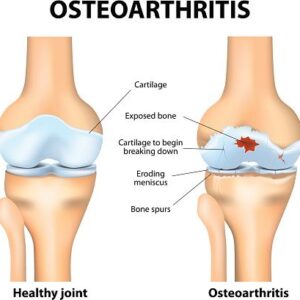
Osteoarthritis is the most common form of arthritis and is considered a degenerative joint disease. It occurs when the cartilage that cushions the ends of bones gradually wears down over time. This type of arthritis is usually related to aging, but it can also result from joint injuries, obesity, and a genetic predisposition. People with osteoarthritis often experience pain during or after movement, stiffness especially after periods of rest, a loss of flexibility, a grating sensation in the joint, and sometimes bone spurs. While there is no cure, treatment focuses on managing symptoms and improving joint function through physical therapy, medications, weight management, and, in some cases, joint replacement surgery.

Rheumatoid Arthritis (RA): Rheumatoid arthritis is an autoimmune disease, meaning the body’s immune system mistakenly attacks its own joints. This leads to inflammation, joint damage, and, over time, potential deformities. The causes of RA include genetic factors, immune system dysfunction, and environmental triggers such as infections or smoking. Common symptoms include swollen and tender joints, morning stiffness that lasts more than 30 minutes, fatigue, fever, and joint deformity in advanced stages. Treatment for RA includes disease-modifying anti-rheumatic drugs (DMARDs), biologic agents, corticosteroids, and anti-inflammatory medications. Early diagnosis and consistent treatment can prevent severe joint damage and help manage symptoms effectively.

Psoriatic Arthritis: Psoriatic arthritis is a form of arthritis that affects some individuals who have psoriasis, a chronic skin condition. It leads to joint pain, stiffness, and swelling, and can also affect the skin and nails. People with psoriatic arthritis may notice swollen fingers and toes, pain in affected joints, and red patches of skin topped with silvery scales. Treatments typically include anti-inflammatory medications, immunosuppressants, and skin-specific topical treatments to manage both joint and skin symptoms.

Gout: Gout is a type of inflammatory arthritis that results from high levels of uric acid in the blood. This excess uric acid can form sharp crystals in joints, causing sudden and intense pain. Gout commonly affects the big toe, but it can occur in other joints as well. Symptoms often include sudden attacks of severe pain, redness, swelling, and tenderness, particularly at night. Treatment usually involves anti-inflammatory medications, lifestyle and dietary changes, and medications that help lower uric acid levels in the body to prevent future flare-ups.

Ankylosing Spondylitis: Ankylosing spondylitis is a rarer form of arthritis that primarily affects the spine, although it can also impact other joints. It causes inflammation of the spinal joints, leading to chronic pain and stiffness. Symptoms often include persistent back pain that improves with movement but not with rest, morning stiffness, fatigue, and a gradual stooping posture in more advanced stages. Treatment options focus on regular physical activity, posture correction, anti-inflammatory medications, and physical therapy to manage pain and maintain spinal mobility.

Symptoms of Arthritis You Should Not Ignore

Early detection of arthritis symptoms is key to managing the condition effectively and preventing further joint damage. Recognising these signs, whether subtle or more noticeable, can help in seeking timely medical intervention and adopting lifestyle changes that improve joint health. Arthritis symptoms include:

  • Early Signs of Arthritis in Adults
    Adults may experience morning stiffness, joint pain after activity, fatigue, reduced range of motion, and mild swelling, especially in hands, knees, and hips.
  • Symptoms in Children and Young Adults
    Juvenile arthritis often appears as persistent joint pain, unexplained fevers, fatigue, or limping, which can be misinterpreted as growing pains or sports injuries, leading to delayed diagnosis.
Preventive Tips for Arthritis and Joint Care

Taking preventive steps early in life can delay or reduce the severity of arthritis symptoms. Here are some ways to help you cope with this chronic illness.

  • Importance of Regular Checkups: Routine health screenings can help detect early joint changes, especially for those with a family history or known risk factors.
  • Balanced Diet and Weight Management: Eating a nutrient-rich diet high in omega-3 fatty acids, calcium, and antioxidants, while maintaining a healthy weight, reduces pressure on joints and slows inflammation.
  • Avoiding Injuries and Strain on Joints: Using proper posture, ergonomic tools at work, and avoiding repetitive stress on joints through safe movement practices can help prevent long-term damage.

Conclusion

World Arthritis Day 2025 is a timely reminder that arthritis does not need to define a person’s life. With early diagnosis, timely treatment and proper lifestyle choices, it is possible to achieve better joint health and long-term pain-free living. Spreading arthritis awareness across India ensures that people take preventive measures and seek medical advice without delay.
If you or a loved one is struggling with persistent joint pain, remember that expert care is available closer than you think. Take charge of your health and book an appointment now with a skilled orthopaedic doctor in Delhi/NCR to protect your joints and embrace a healthier future.

World Cerebral Palsy Day 2025 – Unique and United

October 6 is World Cerebral Palsy Day, a global celebration of individuality, a platform for raising awareness, and an advocacy movement. What began as a day to raise awareness of this most common of lifelong physical disabilities has turned into a worldwide movement. People with cerebral palsy and their friends and families use the day to advocate for real change: policy changes, research investments, and lifelong care. How are you celebrating World CP Day this year?

About World Cerebral Palsy Day

The first World CP Day occurred in 2012 and was founded by United Cerebral Palsy in the U.S. and the Cerebral Palsy Alliance in Australia. The two groups brought together individuals and organizations around the world as part of the ‘Change my World’ campaign. From there, the movement grew every year with more involvement and thousands of related events.

By 2024, World Cerebral Palsy Day involved nearly 25 million people, including individuals with CP sharing their personal stories.

One important movement that has come out of World CP Day is CP360. CP360 was born from a desire to transition from awareness to action. It is a global movement for accelerating change for the millions of people living with CP. It pushes for more current global data on CP, earlier screenings and interventions, evidence-based services, and equitable access to care and services, especially for those living in underserved areas.

What is Cerebral Palsy?
Cerebral Palsy is derived from the Latin words cerebrum (brain) and Palsy (weakness or paralysis). It describes a group of neurological disorders that affect movement, muscle control, and posture.

Cerebral Palsy (CP) is a neurological disorder that affects muscle coordination, movement, and posture. It is the most common motor disability in childhood, affecting 500,000 children and adults in the United States. Cerebral Palsy is a non-progressive disorder, meaning that the damage to the brain does not worsen over time. However, the effects of CP can change over time as the individual grows and develops.

It is important to remember that every individual with CP is unique. Each person experiences the disorder differently, and it is important to work with a healthcare team to develop an individualized treatment plan.

Understanding the Types of Cerebral Palsy 

Cerebral palsy (CP) is not a one-size-fits-all condition. It’s a group of disorders that affect movement, muscle tone, and coordination – but each type presents differently. Recognizing the types of CP helps us understand the challenges and strengths of those living with it.

Spastic Cerebral Palsy: This is the most common form, where muscles become tight, stiff, and difficult to control. People with spastic CP may experience spastic diplegia – stiffness mainly in the legs – making walking or movement challenging.

Ataxic Cerebral Palsy: This type affects balance, depth perception, and coordination. Individuals may appear unsteady or struggle with precise movements, like buttoning clothes or walking on uneven surfaces.

Athetoid Cerebral Palsy: Characterized by slow, writhing, involuntary movements, this type affects control of hands, arms, feet, or legs. Coordination and posture can vary from day to day, depending on muscle tone.

Mixed Cerebral Palsy: Some individuals experience symptoms of more than one type, leading to a combination of movement challenges unique to them.

Causes of Cerebral Palsy

Cerebral Palsy (CP) is a group of disorders that affect movement, posture, and muscle coordination due to abnormal brain development or injury to the developing brain. While its effects can range from mild to severe, knowing the possible causes helps in awareness, early detection, and prevention.

CP often results from abnormal brain development occurring before, during, or shortly after birth. Some cases are linked to birth trauma or injury and lack of oxygen during delivery, which can damage brain tissue controlling movement. Premature birth and low birth weight are also major risk factors, as developing brains are more vulnerable to injury.

Other causes include severe jaundice or hyperbilirubinemia (high bilirubin levels), inherited genetic syndromes, and exposure to infections like meningitis or encephalitis during or soon after birth. Additionally, toxin exposure, maternal infections, or certain drugs taken during pregnancy can interfere with brain development and increase CP risk.

Recognizing the Symptoms of Cerebral Palsy

Cerebral Palsy (CP) affects movement, posture, and coordination – but the symptoms can look very different from person to person. They depend on the type of CP and the part of the brain affected. Some signs appear early in infancy, while others become noticeable as a child grows.

Common symptoms include abnormal posture, muscle stiffness or diplegia, and an abnormal gait that affects walking. Many individuals experience poor coordination and balance difficulties, making everyday activities more challenging. Uncontrolled movements or exaggerated reflexes may also be present.

Communication can be affected, with some people having speech and language delays or difficulty eating and swallowing. Excessive drooling may occur due to muscle control issues. Vision or hearing problems are also possible, impacting learning and interaction.

In some cases, CP is accompanied by seizures, intellectual or developmental delays, and sensory challenges. However, it’s important to remember that every individual’s abilities, needs, and strengths are unique. Recognizing these symptoms early allows for timely diagnosis and intervention, which can significantly improve quality of life.

Treatment and Support for Cerebral Palsy

Cerebral Palsy (CP) is a lifelong condition, but with the right treatment and care, individuals with CP can lead fulfilling, independent, and empowered lives. Treatment plans are tailored to each person’s unique needs, focusing on improving movement, communication, and daily functioning.

Physical therapy plays a vital role in strengthening muscles, enhancing balance, and improving mobility. It helps individuals gain better control over their movements. Occupational therapy assists in developing vital life skills and promoting independence, while speech-language therapy supports communication and swallowing abilities.

In some cases, regular medications may be prescribed to manage muscle stiffness or seizures. Orthopedic surgery and bracing can help correct bone or joint deformities, improving posture and movement.

To further enhance quality of life, assistive devices such as wheelchairs, walkers, or communication aids empower individuals to participate actively in their communities. Moreover, special education services ensure children with CP receive personalized learning support, unlocking their full potential.

Getting Involved This October

Whether you have cerebral palsy or care about someone living with this condition, you can get involved in World CP Day 2025. The theme this year is Unique and United, celebrating what makes every member of this community special.

One of the easiest things you can do to be a part of this day of celebration and awareness is to share your story. Use the hashtags #WorldCPDay and #UniqueAndUnited to share your experiences on social media. Go to the official website for World Cerebral Palsy Day to officially share your story and help raise awareness.

World Cerebral Palsy Day comes only once a year, so don’t miss it! This year’s theme is all about coming together to celebrate individuality while also campaigning for real change. Let us know how you’re getting involved this year. For more insights and information, connect with Panaceiaso.

Alzheimer’s Disease: Understanding, Managing, and Finding Hope

Introduction

Alzheimer’s disease isn’t just about memory loss—it changes how people think, act, and connect to the world. At Panaceiaso, we believe in blending medical awareness, holistic wellness, and compassionate care to bring dignity, hope, and empowerment to those living with Alzheimer’s and their families.

This blog is your in-depth, reader-friendly guide to understanding Alzheimer’s disease: what it is, how it progresses, treatment options, and practical lifestyle strategies to reduce risk and live well for longer.

What Is Alzheimer’s Disease?

Alzheimer’s disease (pronounced alz-HAI-mers) is a neurodegenerative condition, meaning it damages and eventually destroys brain cells. The disease gradually reduces critical abilities such as memory, communication, reasoning, and planning.

    • Affects 24 million people worldwide.
    • Risk increases sharply with age (10% of those over 65; nearly 1 in 3 over age 85).
    • Leads to dementia in most cases.

It begins silently, years before symptoms appear, which is why awareness and preventive care are vital.

Symptoms of Alzheimer’s Disease

Alzheimer’s disease affects everyone differently. But in general, it can weaken or completely eliminate your:

    • Memory
    • Reasoning
    • Language
    • Behavior and personality
    • Spatial understanding

People with memory loss or other Alzheimer’s symptoms may have difficulty recognizing changes in their own mind and body. These signs may be more obvious to loved ones.

Symptoms will get noticeably worse over time (a progressive decline). See a healthcare provider right away if you or a loved one have any dementia-like symptoms.

    • Memory Loss
      • Forgetting names and faces
      • Losing track of time, place, or events
      • Difficulty recalling recent activities
    • Reasoning and Judgment Issues
      • Confusion when making simple decisions
      • Difficulty following instructions or recipes
      • Struggles with planning or organizing tasks
    • Language Difficulties
      • Forgetting familiar words
      • Reverting to native childhood language
      • Speaking less or misusing words
    • Behavioral Changes
      • Mood swings, irritability, paranoia
      • Increased suspicion or agitation
      • Social withdrawal
    • Reduced Spatial Awareness
      • Difficulty judging distances
      • Clumsiness, bumping into objects
      • Struggles with delicate activities like handwriting
What causes Alzheimer’s disease?

Alzheimer’s disease begins quietly, deep within the brain, long before symptoms appear. The culprit? An abnormal build-up of two proteins – amyloid and tau – that disrupt the very foundation of how your brain functions. Your brain is made up of billions of nerve cells called neurons, the remarkable messengers that allow you to think, learn, remember, and plan. These neurons depend on clear communication through electrical and chemical signals. Alzheimer’s interferes with this harmony.

Amyloid proteins clump together inside the brain, forming sticky plaques that crowd and damage neurons. At the same time, tau proteins twist into tangled strands known as neurofibrillary tangles. Together, these plaques and tangles choke the life out of neurons, blocking their ability to transmit vital signals. Over time, the damage spreads. Neurons begin to die off, and with them, essential brain functions slowly fade.

The earliest damage often strikes the hippocampus, the area of the brain responsible for memory. This explains why memory loss is often the first and most recognizable symptom. As more and more neurons are lost, the effects ripple outward to other parts of the brain, impairing reasoning, thinking, language, and even the ability to carry out daily activities.

Researchers believe this destructive process begins quietly, possibly a decade before symptoms even surface. While the exact cause behind amyloid and tau build-up is still under investigation, one thing is clear: Alzheimer’s disease is a slow-moving but relentless condition that reshapes the brain, neuron by neuron.

Is Alzheimer’s disease hereditary?

Alzheimer’s disease can run in families, making genetics an important factor in your risk. If a parent or sibling has Alzheimer’s, your chance of developing the disease increases by 10% to 30%. This risk triples if two or more biological siblings are affected. A key gene linked to Alzheimer’s is the APOE ε4 gene, which raises both the likelihood of developing the condition and the chance of an earlier onset. However, carrying the APOE ε4 gene doesn’t guarantee Alzheimer’s; it’s just one piece of a complex puzzle. Other factors, including lifestyle and environment, also play a role. Genetic risk highlights the importance of awareness and early monitoring, especially if Alzheimer’s runs in your family.

This deeper understanding helps guide prevention efforts and research into personalized treatments for those with a genetic predisposition to Alzheimer’s disease.

Researchers don’t know why some people get Alzheimer’s disease and others don’t. Some risk factors may include:

    • Being Black or Latino
    • Environmental factors (something about where you live, work or spend a lot of time)
    • Genetic changes
    • Having a traumatic brain injury
    • Smoking
    • Your age (AD usually affects people older than 65)
    • Your overall health

Some health conditions may increase your Alzheimer’s risk, including:

    • Cardiovascular disease
    • Diabetes
    • Down syndrome caused by trisomy 21
    • High blood pressure
    • High cholesterol
    • Obesity
What are the complications of Alzheimer’s disease?

The biggest complication of Alzheimer’s disease is the damage it does to your brain. That can cause permanent changes to your ability to think, to use your body and to your personality. As the condition progresses, you’re likely to experience complications, some of which can be fatal.

Complications can include:

    • An overall decline in physical health
    • Infections (like pneumonia or skin infections)
    • Seizures
    • Trouble breathing
    • Trouble swallowing

You may lose your ability to control your body. This can increase your risk of:

    • Bedsores
    • Dehydration or malnutrition
    • Falls, bone fractures and other traumatic injuries
    • Losing control of your pee (urinary incontinence) and poop (bowel incontinence)
    • Tooth decay, cavities and other dental issues
Diagnosis and Tests

How is Alzheimer’s disease diagnosed?

Healthcare providers diagnose Alzheimer’s disease in a few ways. The first step is discussing your current health and medical history.

Your provider will talk to you and your loved ones. They’ll ask you questions to understand your health and daily routine. Tell your provider if you know you have any risk factors for Alzheimer’s disease.

Your provider will ask your loved ones if they’ve noticed any symptoms or changes you might not be able to see in yourself. They might ask about your:

    • Ability to do your usual activities
    • Changes in your mood, behavior and personality
    • Current medications
    • Medical history
    • Overall health

Your provider will also give you a complete physical exam and neurological exam. They’ll rule out other conditions that cause similar memory issues and other symptoms.

Your provider will also use a few tests, including:

    • Blood tests
    • Brain MRI
    • Cognitive tests
    • CT scan
    • PET scan
    • Psychiatric and mental health evaluations
    • Urine tests

These tests can help your provider look for signs of amyloid proteins and see if they have damaged your brain.

Your provider will work with you and your loved ones to develop a treatment plan that fits your unique needs. They’ll help you set realistic goals for your short-term health and long-term outlook.

Treatment and Management

What are Alzheimer’s disease treatments?

There’s no cure for Alzheimer’s, but starting treatment early is key to maintaining brain health and slowing dementia’s progression. Providers recommend a personalized mix of medications tailored to each individual’s unique needs. These treatments focus on managing symptoms as they arise and helping preserve daily functioning for as long as possible. While current therapies cannot stop or reverse Alzheimer’s, they can provide meaningful symptom relief and slow decline. Ongoing research and new drugs continue to explore ways to better control the disease, making early intervention the most effective strategy available today.  You might need:

Cholinesterase inhibitors

These medications block an enzyme that can speed up how quickly Alzheimer’s damages your brain. They can improve some memory problems and reduce your risk of behavior changes. Your provider might prescribe:

    • Donepezil
    • Galantamine
    • Rivastigmine

Clinical trials

Scientists are always researching Alzheimer’s disease and possible treatments. Ask your provider if there are any clinical trials that could help you. Clinical trials are tests or research studies done using human volunteers who have a condition or issue. A trial might help you try new treatments that aren’t widely available yet.

There may be more opportunities to participate in clinical trials the sooner you’re diagnosed.

Lecanemab or donanemab
Lecanemab and donanemab are intravenous monoclonal antibody infusions that help the immune system target amyloid proteins in the brain. Lecanemab stops amyloid fibers from clustering, while donanemab clears already-formed plaques. Though neither cures Alzheimer’s or reverses damage, they slow disease progression by reducing harmful amyloid buildup.

NMDA antagonists

If you have Alzheimer’s, your body makes too much glutamate, which damages your brain’s cells. NMDA antagonists block or fill up the N-methyl-D-aspartate (NMDA) receptors glutamate binds to in your brain. This can slow down how fast Alzheimer’s progresses.

Memantine is a common NMDA antagonist. Your provider may suggest others depending on your health and which stage of Alzheimer’s disease you have.

Symptom-management medications

Your provider will suggest medications or other treatments to manage specific symptoms as they develop. You may need:

  • Antidepressants. These drugs can treat anxiety, restlessness, mood swings and depression.
  • Antipsychotics (neuroleptics). These drugs can treat paranoia, hallucinations and agitation.
  • Antiseizure medications. These medications can also sometimes treat mood changes.

Prognosis

What is the life expectancy?

Alzheimer’s disease affects everyone uniquely. For most people over 65, life expectancy after diagnosis ranges from four to eight years, although some diagnosed before 65 may live for decades. It’s important to have open conversations with your healthcare provider about managing life with Alzheimer’s, setting realistic goals, and planning for care options like hospice when appropriate. Emotional support is vital, as stress and anxiety are common among those with Alzheimer’s and their families, especially soon after diagnosis. Consulting a mental health professional can help process these feelings and provide valuable coping strategies for the journey ahead. Embracing these supports can improve quality of life for both individuals with Alzheimer’s and their loved ones.

Prevention Tips – Protecting Brain Health

How can you prevent Alzheimer’s disease?

While some Alzheimer’s risk factors – like age and genetics-are beyond control, many others can be managed to help protect your brain. Maintaining overall health is essential to reducing cognitive decline.
Following a nutritious eating plan, such as the Mediterranean or DASH diet, supports brain well-being.
Staying physically active through walking, gardening, or biking boosts blood flow and oxygen to your brain, enhancing neuron health.
Keeping mentally engaged by reading, playing games, or learning new skills challenges your brain and promotes resilience.
 Social connections are equally important – regular interaction with loved ones or community groups keeps your brain stimulated and emotional well-being strong.

If Alzheimer’s runs in your family, consult your healthcare provider about genetic testing to assess your risk. Combining these lifestyle habits with professional advice empowers you to take proactive steps toward preserving brain health and lowering the risk of Alzheimer’s disease. These changes, though not guarantees, significantly contribute to healthier cognitive aging.

Living With Alzheimer’s

Living with AD needs patience, planning, and support.

For patients:

  • Build daily structure and routines
  • Reduce risks in the home (remove tripping hazards)
  • Join wellness programs, cognitive therapy, or support groups

For caregivers:

  • Learn stress-management techniques
  • Join caregiver communities (online or offline)
  • Seek respite care or professional support when needed
  • Remember: caregiver burnout is real – take care of yourself too


A Human Note from Panaceiaso
Alzheimer’s disease can be overwhelming, making time feel like it’s standing still or rushing by all at once. There’s no right or wrong way to live with this condition – each journey is unique. Whether you’re living with Alzheimer’s or caring for someone who is, Panaceiaso is there to support you every step of the way. Beyond suggesting treatments and clinical trials, we will answer your questions, guide you through what to expect, and connect you to valuable resources. Emotional ups and downs are normal, and professionals can help you navigate these feelings. Remember, you are not alone – Panaceiaso is always available to help you and your loved ones face Alzheimer’s with understanding, compassion, and hope.

healthy vs smokers lungs

World Lung Cancer Day 2025: United for Awareness, Prevention and Early Detection

Lung Cancer: An overview

Lung cancer is the second most common cancer (excluding skin care ) in men and women in the United States, but it is by far the leading cause of cancer deaths. More than 500,000 Indians live with lung cancer and 111,000 new cases are diagnosed annually, causing 09 percent of cancer deaths. In fact, lung cancer accounts for more deaths than colon, prostate, and breast cancers combined.

First, a brief anatomy lesson on your lungs. These cone-shaped, spongy organs are a driving force of your respiratory system. Your lungs are composed of lobes (which funnel oxygen to your blood and release carbon dioxide from your body), bronchi (the main airways extending from your windpipe), bronchioles (tiny extensions of your bronchi), and alveoli (tiny air sacs at the end of your bronchioles).

Lung cancer forms when abnormal cells in the lungs start to grow rapidly out of control. These cells—which typically start in the lining of the bronchi, bronchioles, or alveoli—can develop into a tumor and spread (or metastasize) to other parts of the body, such as your bones or brain.

Most people are diagnosed with lung cancer when they are older, between the ages of 65 and 74, but the disease can still develop in those younger than 45. While lung cancer is more common in men, an estimated 1 in 17 women will get lung cancer at some point in their lives. People who smoke also have a much greater risk of developing lung cancer compared to those who have never smoked. Diagnosing lung cancer at its earliest stage is key for effective treatment, but symptoms often appear during a more advanced stage of the disease.

What are the types of lung cancer?

There are two main types of lung cancer: non-small cell lung cancer (the most common form of lung cancer) and small cell lung cancer (a less common but more aggressive type of lung cancer).

    • Non-small cell lung cancer (NSCLC)
      Non-small cell lung cancer accounts for about 85 percent of lung cancer cases. NSCLC is an umbrella term for several subtypes of lung cancer, but they are often referred to as one group because they have similar treatments.
    • Adenocarcinoma
      Mainly occurring in smokers, adenocarcinomas start in young cells that produce substances like mucus, usually forming on the outer areas of the lung. They make up 40 percent of lung cancers, affect more women than men, and often grow slowly.
    • Squamous cell (epidermoid) carcinoma
      This type of NSCLC begins in young squamous cells that make up the inner lining of your airways. Accounting for 25 to 30 percent of lung cancers, squamous cell carcinomas often pop up toward the center of the lungs near the bronchus (a major air passage).
    • Large cell (undifferentiated) carcinoma
      Appearing throughout various parts of the lung, large cell carcinomas tend to grow and spread aggressively, so they are difficult to treat. They make up 10 to 15 percent of lung cancers.
    • Adenosquamous carcinoma
      This rare form of NSCLC only makes up an estimated 0.4 to 4 percent of all lung carcinomas and includes components of both adenocarcinoma and squamous cell carcinoma. It mainly affects older men who have a history of smoking and tends to be difficult to treat.
    • Sarcomatoid carcinoma
      This extremely rare NSCLC only accounts for 0.1 to 0.4 percent of lung cancers. These large tumors affect the central airways of the lungs or the outer portion of the chest wall. Most commonly impacting older men and smokers, sarcomatoid carcinomas have a poor prognosis- a 5-year survival rate of only 20 percent.
    • Carcinoid tumors
      These tumors-which make up only 1 to 2 percent of lung cancers-are made up of neuroendocrine cells (cells in the lung that aids in air and blood flow control, growth of other lung cells, and oxygen detection), grow more slowly than other types of lung cancer, and don’t tend to spread. They can form near the center or outer portion of the lungs.
    • Small cell lung cancer
      Small cell lung cancer is also called oat cell cancer and makes up 10 to 15 percent of lung cancers. These larger tumors typically spread faster than NSCLC and are more common in heavy smokers. Small cell lung cancer commonly begins within the airways in the middle of the chest.
What causes lung cancer?

An estimated 80 to 90 percent of all lung cancer deaths are attributed to smoking tobacco, and the number is even higher for small cell lung cancers specifically. Still, various factors may increase your risk of lung cancer.

    • Smoking : Smokers are 15 to 30 times more likely to get lung cancer than nonsmokers. Cigarettes, low-tar or “light” cigarettes, cigars, and pipes all cause lung cancer. Quitting smoking reduces your risk, no matter your age.
    • Radon : This naturally occurring gas is the second leading cause of lung cancer in the US and the leading cause among nonsmokers, accounting for 20,000 cases of lung cancer annually. You cannot smell, taste, or see radon, which can build up inside homes.
    • Secondhand smoke : Even if you never smoke, inhaling secondhand smoke can increase your risk of lung cancer. Experts attribute about 7,300 lung cancer deaths annually to secondhand smoke.
    • Asbestos and other carcinogens : Workers exposed to asbestos, uranium, arsenic, diesel exhaust, and other cancer-causing substances have greater risk of developing lung cancer. This is particularly true if you also smoke.
    • Air pollution : Outdoor air pollution has been linked to 29 percent of all deaths and disease from lung cancer globally. This may be due to various particles thrown into the air, such as acids, chemicals, metals, soil, and dust, which can wiggle their way deep into the lungs.
    • Family history : Having a parent, sibling, or child who has been diagnosed with lung cancer increases your risk of the disease. It is unclear if this link is due to secondhand smoke exposure or shared genes, but researchers speculate both may play a role.
What are the symptoms of lung cancer?

Lung cancer often presents no symptoms until the disease reaches a more advanced, harder-to-treat stage. If you experience any of the following symptoms and they do not go away, see your doctor whether or not you smoke, used to smoke, or have never smoked.

    • Coughing that doesn’t go away and/or worsens
    • Coughing up blood or rust-colored spit
    • Chest pain that often worsens with deep breathing
    • Chronic infections, such as bronchitis or pneumonia
    • Hoarseness
    • Shortness of breath
    • Overwhelming fatigue
    • Unexplained weight loss
    • Swelling in the neck or face
    • Bone or joint pain
How is lung cancer diagnosed?

You should ask your doctor about a lung cancer screening if you are a smoker or have smoked in the past, if you are a nonsmoker who has significant secondhand smoke exposure, or if you have family members with minimal or no smoking history who have developed lung cancer.

However, doctors recommends yearly screening tests-a low-dose CT scan-for people who fit the following high-risk criteria:

    • A history of smoking a pack of cigarettes a day for at least 30 years
    • Currently smoke or have quit smoking within the past 15 years
    • Aged between 55 and 80 years old

If you don’t qualify for screenings and see your doctor, be prepared to discuss your symptoms and medical history in detail. After a physical exam is performed to check for lumps or other unusual symptoms, one of the following tests may be recommended if he or she suspects lung cancer.

Chest X-ray
Your doctor will use an X-ray machine to create an image of the bones and organs inside your chest to detect abnormal masses in the lungs.

CT scans
Also known as CAT cans, this test can detect tumors missed by X-rays and show them in more detail by creating images on a computer.

Sputum cytology
Your doctor takes a sample of sputum, or the mucus you cough up from your lungs, and then examines it under a microscope to look for cancer cells. It’s best to do this test early in the morning for three consecutive days.

Biopsy

A biopsy can be performed in a few ways to collect a sample of lung cells.

    • Bronchoscopy: The doctor puts a long, thin tube down your throat and into your lungs to examine them or take a sample.
    • Mediastinoscopy: The surgeon makes a small incision in your middle neck, then inserts tools to collect a sample.
    • Needle biopsy: A needle is inserted through the chest wall to get the sample.

healthy vs smokers lungs

How is lung cancer treated?

Your doctor will determine your treatment options based on the type and stage of lung cancer, as well as your overall health. You may also decide that the risks of treatment outweigh the benefits and opt out of treatment. In that case, palliative care may still be beneficial. Treatment options may include:

Surgery
This option has the best chance to cure NSCLC and may also be used for early-stage small cell lung cancer. Varying amounts of tissue may be removed.

    • Segmentectomy or wedge resection: A small part of the lobe is removed.
    • Segmental resection: A larger portion but still not the entire lobe is removed.
    • Lobectomy: The entire lobe of one lung is removed (the right lung has three lobes, the left has two).
    • Pneumonectomy: The entire lung is removed.

The surgeon can also do a sleeve resection to remove a piece of the airway if the lung cancer is located there.

Chemotherapy
Chemo is given through oral or intravenous anti-cancer drugs. Depending on the type and stage of cancer, it may be used before or after surgery, with radiation therapy, or as the main treatment.

Radiation therapy
This option uses high-energy rays like X-rays to kill cancer cells. During the procedure, you lie on a table while a machine moves around you, emitting the rays at the targeted cells. Radiation may be used before or after surgery, with or after chemo, or as the main treatment.

Immunotherapy
Typically used for advanced lung cancer, these drugs stimulate your nervous system to fight the cancer.

Targeted drug therapy
These drugs target specific abnormalities in NSCLC cells and are most often used for advanced lung cancer.

Palliative care
Specific treatments to relieve shortness of breath and improve overall quality of life may be used alone or in conjunction with other treatments.

Alternative medicine
Treatments such as yoga, massage, meditation, acupuncture, and hypnosis cannot cure cancer, but may help relieve some symptoms, as well as pain and anxiety.

Lung cancer complications

Lung cancer can cause some complications, most often due to the fact that the tumor may block airways, cause fluid to build up around the lungs, and/or cause the airway to bleed. Complications include:

    • Shortness of breath due to blocked airways or fluid around the lungs
    • Coughing up blood from bleeding in the airway
    • Pain in the chest, lungs, or other parts of the body
    • Fluid in the chest
    • Metastasis (the cancer spreads to other body parts)

How to prevent lung cancer

Although you cannot control all of the risk factors for lung cancer, such as air pollution, there are things you can do to reduce your risk of developing the disease.

Don’t smoke If you never start, you never have to go through the difficult process of trying to quit.

Quit smoking However, no matter when you quit smoking, doing so reduces your risk of lung cancer. It can take several times to successfully squash the habit for good. Never give up!

Avoid secondhand smoke Seek out smoke-free environments and don’t allow friends or family members to smoke in your house or car.

Limit your exposure to carcinogens Be aware of cancer-causing chemicals (especially asbestos) at work and follow any employer’s or doctor’s direction to reduce your risk.

Eat lots of fruits and vegetables Fruits and vegetables are naturally full of nutrients that may fight cancer. Supplements that provide large doses of vitamins or minerals are not recommended, as some studies have found that beta-carotene supplements may increase the risk of lung cancer.

How Can We Stay United in the Fight Against Lung Cancer?

The fight against lung cancer is not limited to hospitals or research labs. Lasting change happens when more people take part—by spreading awareness, encouraging early checks, and supporting those affected. Small, everyday actions can create a stronger, more informed community.

Here are some simple ways to stay involved:

    • Talk openly about symptoms and risks: Honest conversations help reduce stigma and can prompt someone to seek medical advice sooner.
    • Encourage screening for those at higher risk: People with a history of smoking, exposure to pollution, or a family link may benefit from regular checks, even without symptoms.
    • Support efforts to reduce air pollution and second-hand smoke exposure: Cleaner environments help lower the risk for everyone.
    • Stand by those going through treatment: A few kind words, practical help, or simply showing up can make a real difference to someone’s emotional strength.
    • Share accurate information: Misinformation can delay diagnosis and harm trust. Sharing facts from trusted sources helps raise awareness the right way.
    • Get involved in awareness campaigns or fundraising efforts: Even small contributions, be it time, money, or skills, can support research, outreach, or patient services.

World Lung Cancer Day draws attention to a disease that often goes unnoticed until it’s too far along. It reminds us that even symptoms such as lingering cough or shortness of breath, should not be ignored. If someone is experiencing these symptoms for long or has known risk factors, reaching out for medical advice is a step that should not wait. At Panaceiaso, we bring world class doctors & specialists to guide you to the next steps with timely investigations and supportive care.


Sjögren’s Syndrome

Sjögren’s Syndrome and The Heart:

Unmasking a Hidden Connection

When you think of Sjögren’s syndrome, you probably picture dry eyes, dry mouth, and lingering fatigue. Yet, new evidence is shining a spotlight on a less discussed, but critically important, aspect of this autoimmune disease: its heightened risk of cardiovascular disease.

Why Should We Talk About the Heart in Sjögren’s?

The heart might not be the first organ on your mind when discussing Sjögren’s, but mounting research tells a different story. Recent studies suggest patients with Sjögren’s have up to a 1.3–1.5 times greater risk for developing major cardiovascular events—including heart attacks and strokes—compared to the general population. That’s a risk on par with, or even exceeding, some better-known inflammatory diseases.

“Chronic inflammation is an independent risk factor for accelerated atherosclerosis*. Many studies show high cardiovascular risk in rheumatologic diseases, and, recently, new data have revealed that patients with Sjögren’s syndrome have a significantly higher risk for heart attack and stroke than the general population.”

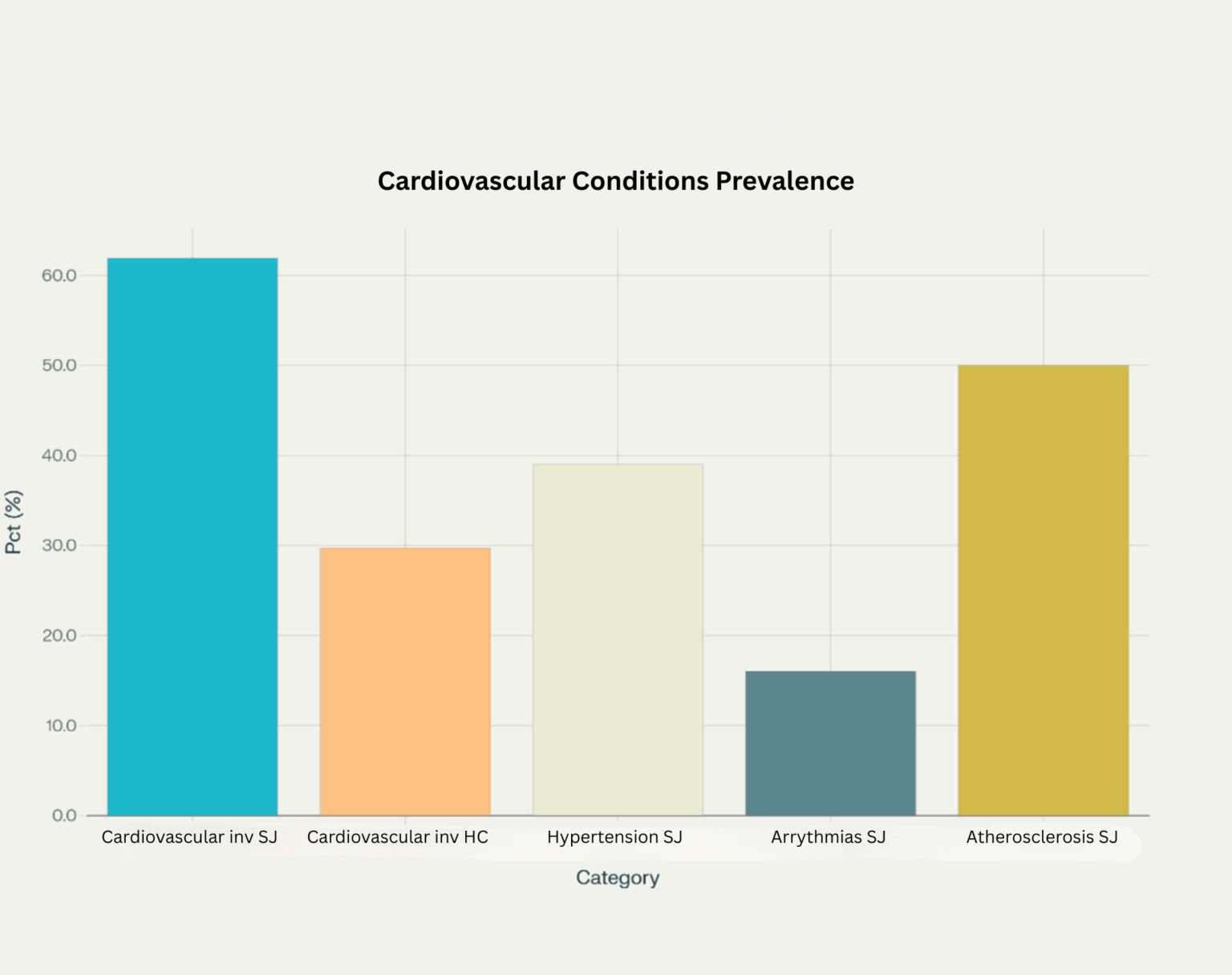
The Numbers Speak Volumes:

  • Prevalence of cardiovascular involvement in Sjögren’s patients: 61.9%
  • Prevalence in healthy controls: 29.7%
  • Hypertension in Sjögren’s patients: 28–50%
  • Arrhythmias (including tachycardia): Reported by 16%
  • Atherosclerosis: Found in up to 50% in small studies

These statistics underscore the importance of taking heart health seriously if you or a loved one is living with Sjögren’s.

A Closer Look: Why Does Sjögren’s Raise Cardiovascular Risk?

Traditional risk factors—think high blood pressure, high cholesterol, sedentary lifestyle—play a role for everyone. But for those with Sjögren’s, the disease itself adds fuel to the fire, driving risk in ways not seen in the general population. Here’s how:

    • Chronic inflammation from overactive immune responses damages the blood vessels.
    • Pro-inflammatory cytokines (such as TNFα, IL-1β, and IL-6) and autoantibodies (anti-Ro/SSA) accelerate the development of atherosclerosis—plaque buildup in arteries.
    • Endothelial dysfunction means the inner lining of blood vessels stops working properly, causing vessels to narrow and raising blood pressure.
    • Arterial stiffness reduces the natural flexibility of arteries, making the heart work harder and potentially leading to heart failure, particularly a subtype called HFpEF (Heart Failure with Preserved Ejection Fraction).
    • Conduction disturbances, including heart block, arise from direct or indirect immune-mediated injury to the heart’s electrical signaling pathways.

Beyond Dry Mouth: How Does the Heart Suffer in Sjögren’s?

Cardiovascular involvement is diverse and sometimes silent in its onset. 

Common manifestations in Sjögren’s syndrome include:

    • Hypertension
    • Pericarditis and pericardial effusion (inflammation of the lining around the heart)
    • Myocardial ischemia (reduced blood flow to the heart muscle)
    • Arrhythmia (including bradycardia, tachycardia, atrial fibrillation)
    • Valvular disease (damage or thickening of heart valves)
    • Myocarditis (inflammation of heart muscle)
    • Vasculitis
    • Heart block (disruptions in electrical signaling)
    • Heart Failure (especially HFpEF)
    • Atherosclerosis and increased arterial stiffness

In some cases, these heart conditions can be first clues to an underlying autoimmune disease, especially in younger adults who seem too young for traditional cardiovascular issues.

Real People, Real Challenges: Insights from India and Beyond

Research from an Indian tertiary center found that more than one-third of Sjögren’s patients had severe systemic manifestations—often with cardiovascular complications—necessitating stronger treatment. Antibody positivity (anti-Ro, anti-La) was found to significantly raise the risk for systemic and cardiovascular involvement in these patients.

“Cluster analysis revealed two subsets: The first cluster comprised of patients having a major systemic illness with high antibody titers and the second comprised of seronegative patients with mild disease. Over a third of SS cases had severe systemic manifestations necessitating treatment with immunosuppressants.”

Spotting Heart Trouble: What to Watch For?

Heart Attack Signs

    • Chest discomfort or pain (pressure, fullness, squeezing)
    • Pain in the arms, back, neck, jaw, or stomach
    • Shortness of breath (with or without chest discomfort)
    • Lightheadedness, cold sweat, nausea, rapid/irregular heartbeat, and fatigue

Note: Women may experience symptoms like anxiety, back or jaw pain, and unusual fatigue rather than classic chest pain.

Stroke Signs

Remember F.A.S.T.:

    • Face drooping
    • Arm weakness
    • Speech difficulty
    • Time to get help — call a medical helpline or emergency services immediately

Why Can Heart Involvement Go Unnoticed in Sjögren’s?

The symptoms of cardiovascular events can overlap with routine Sjögren’s complaints—such as fatigue and weakness—making it easy to miss the warning signs. Denial and stoicism among patients—especially women—also play a role.

Key advice: If you have chest pain, shortness of breath, or other sudden symptoms that last more than 15 minutes and don’t improve with rest, seek urgent medical care.

Minimising Risk: Take Charge of Your Heart Health

Managing heart risk in Sjögren’s means taking a comprehensive approach:

    • Regular cardiovascular screening: Check blood pressure, blood sugar, and cholesterol regularly.
    • Healthy diet: Emphasize fruits, vegetables, lean proteins, and whole grains.
    • Physical activity: Aim for at least 150 minutes of moderate exercise per week, as tolerated.
    • Don’t smoke.
    • Manage stress and inflammation: Take prescribed immunomodulatory medication consistently; control systemic inflammation.
    • Personalized care: Discuss risk factors and screening with your rheumatologist and cardiologist—especially if you test positive for anti-Ro/SSA or anti-La antibodies.
    • Monitor for cardiac symptoms: Keep a symptom diary; never ignore unusual or persistent chest discomfort, palpitations, or episodes of unexplained fatigue.

Sjögren’s Awareness

    • Sjögren’s isn’t just about “dryness”—it raises risk for serious heart complications.
    • Chronic inflammation and autoantibodies play a major role in arterial damage—even without classic risk factors.
    • Heart disease may be silent or mimic Sjögren’s fatigue and musculoskeletal pain.
    • Women may present with atypical heart symptoms and be underdiagnosed.
    • Address traditional (smoking, hypertension, cholesterol) and disease-specific risk factors.
    • Early lifestyle modification and regular physician follow-up can dramatically reduce complications.
    • Seek urgent care for unexplained chest pain, brain fog, slurred speech, or one-sided weakness.

Empowering Yourself: What Patients and Families Should Do

    • Stay Educated: Understand that Sjögren’s syndrome is a systemic disease, with potential to affect your entire body—including your heart and blood vessels.
    • Advocate for Screening: Push for cardiovascular risk assessment even if you have no prior heart problems.
    • Track Symptoms: Note any changes in fatigue, palpitations, dizziness, or swelling—however subtle.
    • Participate in Support Networks: Patient groups provide invaluable shared experience and current research updates.
    • Collaborate with Your Care Team: Your rheumatologist, cardiologist, and primary doctor must work together for optimal care.
    • Engage in Routine Health Checks: Weight, blood pressure, cholesterol, and blood sugar should be checked regularly.
    • Maintain a Healthy Lifestyle: Even modest changes in diet and activity can yield significant benefits.

Sjögren’s syndrome is more than just an inconvenience—it is a systemic disease with potential life-threatening cardiovascular complications. With new insights and increasing awareness, patients and clinicians can work together to reduce risks and improve outcomes. Remember, awareness is the first crucial step in prevention and early intervention.

If you are living with Sjögren’s, speak with your healthcare provider today about your cardiovascular risk—and take heart, because informed action can make all the difference.

If you suspect a heart attack or stroke threat, call your country’s emergency medical helpline immediately. In India, the ORDI Rare Disease Helpline is available at +91 8892 555 000.

Celebrate Autistic Pride Day

EMBRACING NEURODIVERSITY WITH HEART AND HOPE

Every year on June 18th, the world unites to honor Autism Pride Day, a powerful celebration of neurodiversity and the extraordinary individuals who bring unique perspectives and strengths to our shared human experience. It’s more than a date on the calendar—it’s a movement, a statement, and a collective embrace of what makes us beautifully different.

On this day, we shine a light not on labels or limitations, but on possibility, potential, and pride. We celebrate the resilience and brilliance of autistic individuals and recommit ourselves to building a world that not only includes them—but welcomes, uplifts, and honors them.

The Heart of Autism Pride Day🌈

First celebrated in 2005, Autism Pride Day was sparked by the advocacy group Aspies for Freedom, choosing June 18th to coincide with the birthday of Dr. Temple Grandin—a pioneering voice in both animal science and autism awareness. Dr. Grandin is living proof that being autistic doesn’t mean being limited. In fact, it can mean having a mind that sees what others can’t, feels deeply, and solves problems in extraordinary ways.

Autism Pride Day turns the spotlight away from pity or pathology and instead focuses on power, pride, and personhood. It challenges the outdated notion that autism is something to be “fixed” and instead frames it as a natural, valuable variation of the human brain—a thread in the vast, vibrant fabric of humanity.

Understanding Autism: More Than a Diagnosis

Autism Spectrum Disorder (ASD) includes a wide range of characteristics, and no two people experience autism in the same way. Some may struggle with social interaction or sensory processing; others might communicate differently or engage in repetitive behaviors. But these traits are only part of the picture.

Many autistic individuals demonstrate incredible strengths—from heightened focus and detailed memory to exceptional honesty, creativity, and loyalty. Autism is not a flaw. It’s a different way of experiencing the world.

And this is where the concept of neurodiversity comes in. Coined in the 1990s, neurodiversity recognizes that conditions like autism, ADHD, dyslexia, and dyspraxia are not disorders to be cured, but natural cognitive differences that deserve understanding, respect, and support.

By embracing neurodiversity, we create space for innovation, compassion, and true inclusion.

Stories of Strength: Celebrating Achievements

Autism Pride Day is a time to celebrate achievements, not just challenges. Across the globe, autistic individuals are making vital contributions in science, the arts, education, business, and beyond.

From Dr. Temple Grandin’s revolutionary work in humane livestock handling to Greta Thunberg’s global environmental advocacy, autistic voices are bold, brilliant, and brave.

Many businesses are discovering that neurodiverse employees often bring unmatched focus, creativity, and problem-solving skills. With the right accommodations and environments, autistic individuals don’t just participate—they thrive, transforming their communities and industries in meaningful ways.

Yet, every success story is built on courage, effort, and often, silent battles. Behind every milestone is a person navigating a world that too often misunderstands them. Autism Pride Day honors not only visible victories but also the quiet resilience of those who persevere in a world not yet fully designed for them.

Promoting Acceptance Over Awareness

There’s a growing shift from awareness to acceptance—and rightly so. Awareness acknowledges existence; acceptance celebrates humanity.

On Autism Pride Day, we ask people to look beyond stereotypes and see the whole person. Acceptance means:

  • Listening without judgment
  • Creating sensory-friendly spaces
  • Using clear, compassionate communication
  • Acknowledging that every behavior has meaning
  • Understanding that different does not mean less

This day is also a powerful platform for challenging societal norms, breaking down barriers, and encouraging everyone to ask: How can I help create a world where neurodiverse individuals feel safe, seen, and supported?

Voices That Matter: Centering Autistic People

True inclusion means elevating autistic voices—not speaking over them. On Autism Pride Day, take time to read blogs, watch videos, and follow social media accounts run by autistic individuals. Their lived experiences offer the most authentic insight into what it means to live on the spectrum.

Sharing their stories fosters empathy and dismantles harmful myths. It also helps create spaces where autistic people don’t feel pressured to mask or hide their true selves. Their voices are valid, their perspectives vital.

Let us amplify—not override—the voices of those who know autism best.

The Role of Caregivers and Allies

Behind many autistic individuals are dedicated caregivers, educators, and allies who play a pivotal role in their lives. These individuals offer support, advocacy, and love—often while juggling their own challenges.

But caregiving is demanding. Autism Pride Day is also a time to recognize and appreciate their efforts while encouraging caregiver self-care. Even a short break, a heartfelt conversation, or connecting with a support group can offer much-needed strength.

Caring for others begins with caring for oneself.

How You Can Participate and Make a Difference

You don’t need to be a specialist or an activist to support Autism Pride Day. Small, intentional actions can have a massive impact:

    1. Educate Yourself and Others: Read books and articles about autism. Watch documentaries or listen to podcasts by autistic creators. Share what you learn to dispel myths and promote understanding.
    2. Support Local Events or Virtual Celebrations: Attend an Autism Pride parade, art show, or panel discussion. If you prefer something quieter, join a live stream or explore recorded webinars.
    3. Champion Inclusive Practices at Work and School: Push for sensory-friendly spaces, clear communication methods, and understanding of neurodiverse needs. Inclusion benefits everyone.
    4. Celebrate Autistic Talent: Buy from autistic-owned businesses. Share autistic artists’ work. Praise the creativity, insight, and originality that neurodiversity brings.
    5. Be an Everyday Ally: Speak up against bullying, ableism, or exclusion. Use inclusive language. Advocate for policies that promote equity and accessibility.
    6. Practice Empathy: Whether it’s a colleague who avoids eye contact or a child who needs routine, remember—there is no one “right” way to be human.
A Global Call for Change

Autism Pride Day is not just a celebration—it’s a call to action. We must move beyond token gestures to meaningful transformation:

    • Access to quality education and therapies
    • Workplaces that accommodate and uplift
    • Healthcare that respects neurodiversity
    • Media that represents autistic individuals authentically

Too often, autistic people are excluded not by their abilities, but by societal structures. We have the power—and the responsibility—to change that.

Embracing Life’s Spectrum

Life is not black and white—it’s a spectrum of thoughts, emotions, and experiences. Autism is one of the most profound reminders of this truth.

As a business, a community, a society, we must strive to do better—not out of obligation, but from a place of genuine compassion and admiration. The courage it takes to be oneself in a world that often demands conformity is nothing short of heroic.

To every person on the autism spectrum: You matter. You inspire. You belong.

To every caregiver, teacher, friend, and ally: Your efforts are seen. Your support is powerful. Your love changes lives.

Let’s keep pushing for a world where neurodiversity is not merely tolerated, but fully embraced—where pride replaces shame, support replaces struggle, and difference is a cause for celebration, not division.

Happy Autism Pride Day.

💙🌈 Let’s carry this message forward—today and every day.🌈💙

15 June Fathers Day (1)

Celebrating Father’s Day: A Call to Prioritize Men’s Health and Wellness

Father’s Day is more than a day of cards, cakes, and celebrations — it’s a heartfelt reminder to honor the incredible men in our lives. Whether it’s your dad, uncle, brother, grandfather, or any father figure, this is the perfect occasion to acknowledge their love, sacrifices, and unwavering support.

As Father’s Day follows the close of Men’s Health Week, it’s more than a celebration, it’s a call to action. Let’s honor dads not just with gifts, but with genuine care for their health. Whether it’s scheduling checkups, encouraging healthier habits, or simply spending quality time, every gesture counts. This year, celebrate the strength behind the smile by putting your father’s wellness first. Strong dads make strong families.

While we shower them with appreciation, let’s also turn our attention to something that often gets sidelined — their health. Men’s health is not just a men’s issue; it’s a family concern. Women, too — mothers, daughters, wives — play a pivotal role in supporting the well-being of the men they care about.

As we celebrate the strength and guidance of fathers, let’s also reflect on the health challenges they quietly face — and how we can encourage proactive care and prevention.

Why Talk About Men’s Health on Father’s Day?

Behind every hardworking, loving dad is a human being who may be battling fatigue, chronic stress, or undiagnosed conditions in silence. Sadly, studies continue to show that men are less likely to seek medical advice or undergo preventive checkups.

Some avoid doctors due to fear of diagnosis. Others associate seeking help with weakness. But here’s the truth: taking charge of your health is not a weakness — it’s one of the greatest forms of strength. Regular checkups and screenings not only increase longevity but also improve the quality of life.

So, this Father’s Day, let’s flip the script. Let’s encourage the dads in our lives to put themselves first — for once.

❤️ Heart Disease: Cardiovascular disease remains the leading cause of death among adult men. Whether it’s high blood pressure, clogged arteries, or the risk of stroke — 1 in 3 men is affected by some form of heart disease. Regular screening of blood pressure, cholesterol, and lifestyle factors like smoking and diet is essential for prevention.

🍬 Diabetes: Type 2 diabetes is a silent condition that often goes undetected until serious complications arise — from nerve damage to kidney issues and heart attacks. A diet rich in fiber, regular movement, and blood sugar monitoring are key to prevention and management.

 Respiratory Illnesses: Conditions like COPD, pneumonia, and influenza hit men harder. Smoking and environmental exposure add to the risk. Early intervention and quitting tobacco can make a world of difference.

🌞 Skin Cancer: Skin cancer may not get much attention, but it’s deadlier for men. Regular use of sunscreen, protective clothing, and avoiding tanning beds can significantly reduce the risk.

🧠 Mental Health: Men often hide their emotional pain. Depression, anxiety, and even suicidal thoughts frequently go unspoken. On Father’s Day, let’s remind our dads it’s okay to ask for help — and more importantly, that help is available.

Prostate & Liver Health: Prostate cancer is the second most common cancer in men. Liver diseases, especially due to alcohol and smoking, are also increasingly common. Regular checkups, liver function tests, and early prostate screenings can help catch problems before they become serious.

How You Can Help Dad Thrive — Physically and Mentally

As caregivers, children, and loved ones, we play a powerful role in encouraging our fathers to take their health seriously. Here are some practical tips to help them achieve optimal well-being:

  • 🧡 Spend quality time to boost emotional well-being
  • 💤 Encourage restful sleep — at least 7–8 hours per night
  • 🥗 Promote a nutritious diet rich in vegetables, lean proteins, and whole grains
  • 🚰 Ensure proper hydration
  • 🏃‍♂️ Support regular physical activity — walks, light workouts, or sports.
  • 📋 Schedule regular health screenings and follow-up appointments
  • 🗣️ Talk openly about stress or mental health concerns
Essential Health Screenings for Men Over 40

After 40, men should begin regular screenings to detect diseases before symptoms appear. These tests help in preventing serious complications and maintaining vitality.

Cardiovascular disease is a silent threat that often goes unnoticed until it’s too late. That’s why men should prioritize regular heart health assessments. Tests like ECGs, stress tests, and lipid profiles help detect early signs of heart trouble — from abnormal rhythms to clogged arteries. These screenings can catch issues before they become dangerous, allowing for timely treatment and lifestyle changes. Early detection isn’t just smart; it can be lifesaving. Don’t wait for symptoms — stay one step ahead. Protect your heart, protect your future. Schedule a cardiovascular checkup and take control of your health today. ❤️🩺

Diabetes Screening: A Vital Step for Men 40+ 

Diabetes doesn’t always show symptoms early—but it can quietly harm your heart, kidneys, nerves, and eyes. That’s why men over 40 should make regular diabetes screenings a non-negotiable. Tests like fasting blood sugar and HbA1c levels provide a clear picture of how your body is managing glucose. Early detection can prevent complications and help you stay on top of your health game. With the right lifestyle changes and medical support, diabetes is manageable — but only if caught in time. Take charge before diabetes takes a toll. Book your screening. Stay strong. Stay ahead. 💪🩸

Prostate Health: Don’t Overlook It 

As men age, prostate health becomes increasingly important. Regular screenings like PSA blood tests and digital rectal exams can detect early signs of prostate issues, including cancer. Early detection means better outcomes. Prioritize your health—get screened, stay informed, and take control of your well-being. 🩺💙

Bone Density Screening: Build a Stronger Future

With age, men face a gradual decline in bone strength, often unnoticed until a serious fracture occurs. That’s why bone density screening is essential—it’s quick, non-invasive, and reveals early signs of osteoporosis or bone loss. Detecting these issues early allows for timely intervention through lifestyle changes, supplements, or treatment. Don’t wait for a break to take action. Prioritize your bone health today and keep moving strong, steady, and pain-free well into the future. 🦴💪

Eyes & Smiles Matter: Don’t Skip These Checkups

As the years go by, both vision and dental health can quietly decline. Regular eye exams help catch early signs of glaucoma, cataracts, or even underlying conditions like diabetes and high blood pressure. Meanwhile, dental checkups prevent gum disease, tooth loss, and infections that can affect your overall health. These aren’t just routine visits — they’re key to aging well. Protect your sight, preserve your smile — schedule those checkups and stay confidently healthy! 👁️🦷

Liver Checkups: Guard Your Body’s Silent Workhorse

Your liver works hard every day, but with age, its efficiency can decline—often without obvious symptoms. That’s why regular liver function tests, ultrasounds, and hepatitis screenings are essential. These simple checkups can catch liver issues like fatty liver, cirrhosis, or infections before they escalate. Early detection means easier management and a healthier life. Don’t ignore your liver—protect it with timely screenings and give your body the care it quietly deserves. 🍵🧬

Gut Health Check: Screen Smart, Live Strong

As we age, the risk of digestive issues like colorectal cancer, ulcers, and polyps increases. Thankfully, tools like stool tests, colonoscopies, and endoscopies make it possible to detect these conditions early—often before symptoms appear. Early diagnosis means simpler treatment and better outcomes. Don’t wait for discomfort to take action. Prioritize your digestive health with routine screenings and keep your gut strong, your energy high, and your life on track. Your health starts from within! 🍽️🩺

Final Thoughts: Let’s Change the Narrative

Men’s health is a crucial but often overlooked issue. Conditions like heart disease, stroke, cancer, diabetes, and mental health disorders continue to take a heavy toll on male lives — many of them preventable through awareness, lifestyle changes, and early intervention.

This Father’s Day, let’s do more than just celebrate — let’s invest in the long-term health and happiness of the men who mean the world to us.

🎉 Show your love with action:

✅ Book that overdue health checkup
✅ Encourage open conversations about wellness
✅ Be part of his journey to better health

Because the best gift you can give your dad isn’t in a box — it’s a longer, healthier life.

This Father’s Day, take the first step. Book a screening for your dad with Panaceiaso. Because his health is your greatest blessing.

✨ Early detection saves lives — schedule an appointment today! ✨

World Lung Cancer Day 2024

Joining Together for Lung Cancer Awareness and Support

On August 1st, we celebrate World Lung Cancer Day, a worldwide event focused on raising awareness about lung cancer and helping those affected by this disease. This year’s theme, “Stronger Together: United for Lung Cancer Awareness,” highlights the importance of working together to combat lung cancer. By joining forces, we can exchange information, fund research, and offer support to patients and their loved ones.

Understanding Lung Cancer

Lung cancer is a prevalent cause of cancer-related deaths globally, originating in the lungs and potentially spreading to other parts of the body if not caught early. There are two main types: non-small cell lung cancer (NSCLC) and small cell lung cancer (SCLC). NSCLC is more common, making up 85% of cases, while SCLC is less common but tends to grow and spread quickly.

The Importance of World Lung Cancer Day
World Lung Cancer Day 2024 serves as a crucial reminder of the ongoing battle against lung cancer. The main goals of this day are to:
  • Spread awareness: By educating people about lung cancer, its symptoms, and risk factors, we can help detect it earlier and improve outcomes.
 
  • Prevent lung cancer: Emphasize the importance of quitting smoking, reducing exposure to harmful substances, and adopting a healthy lifestyle to lower the risk of developing lung cancer.
  • Support patients and families: Offer information and resources to assist patients and their families in coping with the challenges of a lung cancer diagnosis and treatment.
  • Promote research: Advocate for more funding and support for lung cancer research to develop better treatments and, ultimately, find a cure.
The Importance of Community and Support System

The theme “Stronger Together: United for Lung Cancer Awareness” emphasizes the significance of community and support systems in battling lung cancer. Patients frequently encounter physical, emotional, and financial obstacles, and having a robust support network can greatly impact their experience.

Patient Support: Patients who have been diagnosed with lung cancer require a range of support services, including medical treatment, psychological counseling, and social assistance. Support groups and counseling can assist patients in managing the emotional effects of their diagnosis. Furthermore, having access to reliable information regarding treatment choices and clinical trials is crucial for making well-informed decisions.

Families and caregivers play a significant role in the patient’s journey. They provide essential care and emotional support, often putting their own needs aside. It’s important to recognize their efforts and provide them with resources to manage the stress and demands of caregiving.
 
Healthcare providers play a crucial role in fighting lung cancer. This World Lung Cancer Day in 2024, we celebrate their dedication to enhancing patient outcomes. By receiving ongoing education and training, healthcare professionals stay up-to-date with the most current information and techniques to deliver top-notch care.


Advancements in Lung Cancer Treatment
Research plays a crucial role in advancing the fight against lung cancer. Over time, there have been significant improvements in understanding the disease and creating new treatments. Some important areas of advancement include:
Targeted therapies: These treatments focus on specific mutations in cancer cells, providing a more personalized approach to treatment with fewer side effects compared to traditional chemotherapy.
  • Immunotherapy: This innovative method utilizes the body’s immune system to combat cancer cells. Immunotherapy has demonstrated promising outcomes in the treatment of certain types of lung cancer.
  • Early detection: Progress in imaging technology and screening techniques, such as low-dose CT scans, have enhanced the early identification of lung cancer, resulting in improved survival rates.
  • Genetic research: Understanding the genetic composition of lung cancer has created new possibilities for treatment, enabling more accurate and efficient therapies.
How You Can Get Involved
Here are several ways you can participate in World Lung Cancer Day 2024 and show your support for the cause:
  • Developing healthy habits: Avoid smoking and secondhand smoke is the best way to lower the chances of getting lung cancer. If you smoke, think about quitting and motivating others to do the same. You can also enhance the air quality in your surroundings by using air purifiers or growing plants that purify the air.
  • Encourage Cancer Screening: individuals who are at high risk for lung cancer to undergo screening. This includes current and former smokers, individuals over 55, and those who have been exposed to carcinogens. Detecting lung cancer early can lead to more successful treatment outcomes.
  • Advance research and support advocacy for lung cancer: Support lung cancer research organizations by donating or participating in fundraising events. You can also volunteer with local cancer support groups or advocacy organizations to make a difference.
  • Educate yourself and others: Discover more about lung cancer, including its risk factors and ways to prevent it. Spread this knowledge to your friends, family, and community to increase awareness.
  • Care & Support for those who have been affected: World Lung Cancer Day is dedicated to showing support for individuals affected by the disease. Take the time to connect with anyone you may know who has been touched by lung cancer, whether they are currently undergoing treatment, have overcome the disease, or are providing care for a loved one.
World Lung Cancer Day 2024 serves as a reminder that we are more powerful when we work together to combat lung cancer. By joining forces, we can increase awareness, provide support to patients and their loved ones, and push forward progress in research and treatment. Let’s come together on August 1st and beyond to make a meaningful impact on the lives of those affected by lung cancer.

Prioritizing Gut Health: Achievable Lifestyle Changes for Today and Beyond

As we settle into our habits for 2024, it’s important to reflect on our New Year’s resolutions. If you’re already feeling disappointed in your progress, it may be time to adjust your goals. Resolutions can be harsh and rooted in self-criticism, so instead of focusing on short-term accomplishments, let’s explore lifestyle changes that can support your gut health and overall well-being for years to come.

The gastrointestinal tract, often referred to as the GI tract or digestive system, is a marvel of biological engineering that plays a crucial role in our overall health and well-being. From the moment food enters our mouths to the point where waste is expelled, this intricate system carries out a series of complex processes that are essential for our survival.

The Journey Begins: Digestion in the Mouth

The journey of digestion begins in the mouth, where the process of mechanical and chemical digestion kicks off. Chewing breaks down food into smaller pieces, while enzymes in saliva start breaking down carbohydrates. This mixture of food and saliva forms a bolus that is then swallowed, moving down the esophagus to the stomach.

The Gastric Symphony: Digestion in the Stomach

Once in the stomach, the bolus is further broken down by gastric juices containing hydrochloric acid and enzymes. This acidic environment helps to kill bacteria and break down proteins. The resulting mixture, known as chyme, is gradually released into the small intestine for further digestion and absorption.

The Small Intestine: Absorption Central

The small intestine is where the majority of nutrient absorption takes place. Enzymes from the pancreas and bile from the liver help break down fats, proteins, and carbohydrates into their basic components for absorption. Villi and microvilli in the small intestine increase the surface area for nutrient absorption, allowing essential nutrients to enter the bloodstream.

The Colon: Home Stretch to Waste Management

As the digested food moves through the small intestine, any remaining water and electrolytes are absorbed in the colon. The colon plays a crucial role in forming and expelling waste in the form of feces. The balance of gut bacteria in the colon also plays a significant role in digestion and overall health.

The Gut-Brain Connection: Beyond Digestion

Recent research has highlighted the intricate connection between the gut and the brain, known as the gut-brain axis. This bidirectional communication system influences not only digestion but also mood, behavior, and overall health. A healthy gut is essential for a healthy mind.

Nurturing Your Gut Health :

Exercise for Digestive Efficiency
Though exercise may seem like an obvious goal, it can be closely tied to your digestive health. Daily physical activity keeps your digestive system active, allowing your intestines to pass waste more efficiently. Some of the best exercises to keep your gut moving include cardiovascular activities, walking, running, and yoga.

Hydrate, Hydrate, Hydrate
Drinking more water is a relatively minor change, but it can make a significant difference. Even if you’re still working on reducing sugary drinks or alcohol, try to supplement them with plenty of water and gradually replace them when possible. Drinking water with meals helps your body break down food, prevents constipation, and keeps you hydrated

Embrace Prebiotics and Probiotics

Maintaining a healthy digestive system is essential for your overall health. Focus on consuming both probiotics and prebiotics to ensure your gut is working at its best. Choose options that are close to nature, and do your research if you’re considering prebiotic or probiotic supplements.

Mindful Meal Choices
If you’re aware of specific digestive issues, use your experience and research to determine which foods to avoid. If you’re looking to make general improvements to your diet, try to incorporate more whole grains, leafy greens, and fermented foods. As these healthier options become a regular part of your routine, they’ll become a natural part of your grocery shopping and meal planning.

Consult a Gastroenterologist
Seeing a gastroenterologist is a great way to improve your digestive health in 2024. If you’re experiencing frequent heartburn, constipation, or abdominal pain, a specialist can help determine the underlying causes and set you on a path to better gut health. Common gastrointestinal issues include hemorrhoids, irritable bowel syndrome, celiac disease, and Crohn’s disease, and a gastroenterologist can provide the necessary guidance and treatment.

By focusing on these achievable lifestyle changes, you can prioritize your gut health and set yourself up for long-term well-being. Remember, small, sustainable steps are often more effective than drastic, short-term goals. Embrace the journey, and let your gut be your guide to a healthier, happier 2024 and beyond.