Breathe Easy This Winter

A Complete Guide to Keep Your Lungs Strong, Healthy, and Resilient

Winter is a season many of us look forward to-cosy sweaters, warm beverages, festive gatherings, and a slower, more comforting rhythm of life. However, while winter brings joy and warmth to our homes, it quietly presents unique challenges for our lungs. Cold air, reduced humidity, indoor pollution, seasonal infections, and increased exposure to environmental irritants can place significant strain on respiratory health.

For many people, winter breathing problems are dismissed as “seasonal discomfort.” In reality, these changes can worsen underlying lung conditions, trigger infections, and reduce overall quality of life if left unaddressed. The good news is that with informed, proactive care, winter can be a season of strong breathing, not respiratory struggle.

This comprehensive guide explains why winter affects lung health, early warning signs to watch for, and practical, science-backed steps you can take to protect your lungs throughout the colder months.

Why Winter Is Tough on Your Lungs

Cold Air and Low Humidity

Cold air is naturally dry. When you breathe it in, it strips moisture from your airways, irritating the lining of your nose, throat, and lungs. This dryness reduces the effectiveness of your respiratory system’s natural defence mechanisms, making it easier for viruses, bacteria, and pollutants to reach deeper parts of the lungs.

Low humidity-especially indoors due to heaters-can worsen this dryness, leading to coughing, throat irritation, and chest discomfort.

Increased Air Pollution

In winter, especially in urban areas, air pollution often rises. Temperature inversions trap pollutants such as PM2.5 particles, nitrogen dioxide, and other harmful gases closer to ground level. These microscopic particles penetrate deep into lung tissue, causing inflammation and worsening conditions such as asthma, bronchitis, and chronic obstructive pulmonary disease (COPD).

More Time Indoors, More Infections

Winter pushes people indoors, increasing close contact and reducing ventilation. This creates ideal conditions for respiratory viruses-such as colds, influenza, RSV, and COVID-19-to spread more easily. Even healthy individuals may experience prolonged coughs or chest congestion during this time.

Common Winter Lung Problems

Winter-related respiratory issues may include:

  • Persistent cough and throat irritation
  • Chest tightness and wheezing
  • Increased mucus production
  • Shortness of breath during routine activity
  • Frequent colds or chest infections
  • Flare-ups of asthma or COPD

Recognising these patterns early allows you to take preventive action before symptoms escalate.

Warning Signs Your Lungs Need Extra Care

Pay attention to the following symptoms, especially if they persist or worsen during winter:

  • A cough lasting more than 7-14 days
  • Wheezing or whistling sounds while breathing
  • Breathlessness that feels unusual for you
  • Chest tightness or heaviness
  • Thick or excessive mucus
  • Fatigue or reduced stamina

These signs indicate that your lungs may be under stress and require additional support or medical attention.

Practical Ways to Protect Lung Health in Winter

1. Keep Warm and Maintain Healthy Indoor Air

Breathing warm, moist air reduces airway irritation.

  • Use a humidifier to maintain indoor humidity between 30–50%
  • Clean humidifiers regularly to prevent mould or bacterial growth
  • Avoid direct exposure to cold air by covering your nose and mouth outdoors
  • Breathe through your nose to naturally warm incoming air

2. Practice Breathing and Lung-Strengthening Exercises

Breathing exercises improve lung efficiency and respiratory muscle strength.

Diaphragmatic Breathing
Sit comfortably, inhale slowly through your nose, allowing your abdomen to rise, then exhale gently through your mouth.

Pursed-Lip Breathing
Inhale through your nose and exhale slowly through pursed lips. This helps keep airways open longer and improves oxygen exchange.

Practising these techniques daily can significantly improve breathing comfort during cold weather.

3. Reduce Indoor Air Pollution

Indoor air can sometimes be more polluted than outdoor air in winter.

  • Avoid smoking and second-hand smoke
  • Ensure proper ventilation for gas stoves or heaters
  • Limit burning candles or incense
  • Use air purifiers if available
  • Clean dust, pet dander, and mould regularly

4. Support Lung Health Through Nutrition

Your lungs benefit from a nutrient-rich diet that reduces inflammation and boosts immunity.

Key Nutrients for Lung Health:

  • Antioxidants from fruits and vegetables help combat oxidative stress
  • Omega-3 fatty acids support respiratory tissue health
  • Vitamin C and Zinc strengthen immune defences
  • Adequate protein supports tissue repair

Eating warm, balanced meals also supports overall winter wellness.

5. Stay Hydrated and Physically Active

Cold weather often reduces thirst, but dehydration thickens mucus and makes breathing harder.

  • Drink water regularly
  • Include warm fluids such as soups and herbal teas
  • Stay active with indoor workouts, yoga, or walking
  • Choose outdoor exercise only when air quality is safe

Movement keeps lungs clear and improves circulation.

6. Vaccination: A Preventive Shield

Respiratory infections place significant stress on the lungs.

  • Influenza vaccines reduce the risk of severe flu-related complications
  • Pneumonia vaccines may be advised for older adults or those with chronic conditions

Consult your healthcare provider to determine what vaccinations are appropriate for you.

7. Protect Your Lungs from Outdoor Pollution

On days with high pollution or smog:

  • Wear a well-fitting mask (N95 or equivalent)
  • Limit outdoor exposure
  • Monitor local air quality reports
  • Avoid heavy physical exertion outdoors

Cold air combined with pollution significantly increases respiratory strain.

Special Considerations for Chronic Lung Conditions

Individuals with asthma, COPD, or a history of lung infections need heightened winter vigilance.

Cold air can trigger bronchoconstriction, narrowing airways and causing flare-ups. Regular medication use, adherence to inhaler routines, and timely medical reviews are essential.

Smokers and former smokers should be especially cautious, as winter stressors may exacerbate underlying lung damage.

When to Seek Medical Attention

Do not delay professional evaluation if you experience:

  • A cough lasting more than three weeks
  • Blood in sputum
  • Increasing breathlessness
  • Chest pain with breathing
  • Recurrent infections
  • Persistent fatigue or declining physical capacity

Early medical intervention can prevent complications and protect long-term lung health.

Conclusion: Breathe Better, Live Better This Winter

Winter does not have to be a season of breathlessness or discomfort. With informed care, proactive habits, and awareness of early warning signs, you can protect your lungs and enjoy the colder months with confidence.

Your lungs work tirelessly-every second of every day. Supporting them through warmth, clean air, nutrition, hydration, and mindful breathing is not just seasonal care; it is an investment in lifelong respiratory wellness.

Take action today. Breathe consciously. Protect your lungs this winter-and beyond.

healthy vs smokers lungs

World Lung Cancer Day 2025: United for Awareness, Prevention and Early Detection

Lung Cancer: An overview

Lung cancer is the second most common cancer (excluding skin care ) in men and women in the United States, but it is by far the leading cause of cancer deaths. More than 500,000 Indians live with lung cancer and 111,000 new cases are diagnosed annually, causing 09 percent of cancer deaths. In fact, lung cancer accounts for more deaths than colon, prostate, and breast cancers combined.

First, a brief anatomy lesson on your lungs. These cone-shaped, spongy organs are a driving force of your respiratory system. Your lungs are composed of lobes (which funnel oxygen to your blood and release carbon dioxide from your body), bronchi (the main airways extending from your windpipe), bronchioles (tiny extensions of your bronchi), and alveoli (tiny air sacs at the end of your bronchioles).

Lung cancer forms when abnormal cells in the lungs start to grow rapidly out of control. These cells—which typically start in the lining of the bronchi, bronchioles, or alveoli—can develop into a tumor and spread (or metastasize) to other parts of the body, such as your bones or brain.

Most people are diagnosed with lung cancer when they are older, between the ages of 65 and 74, but the disease can still develop in those younger than 45. While lung cancer is more common in men, an estimated 1 in 17 women will get lung cancer at some point in their lives. People who smoke also have a much greater risk of developing lung cancer compared to those who have never smoked. Diagnosing lung cancer at its earliest stage is key for effective treatment, but symptoms often appear during a more advanced stage of the disease.

What are the types of lung cancer?

There are two main types of lung cancer: non-small cell lung cancer (the most common form of lung cancer) and small cell lung cancer (a less common but more aggressive type of lung cancer).

    • Non-small cell lung cancer (NSCLC)
      Non-small cell lung cancer accounts for about 85 percent of lung cancer cases. NSCLC is an umbrella term for several subtypes of lung cancer, but they are often referred to as one group because they have similar treatments.
    • Adenocarcinoma
      Mainly occurring in smokers, adenocarcinomas start in young cells that produce substances like mucus, usually forming on the outer areas of the lung. They make up 40 percent of lung cancers, affect more women than men, and often grow slowly.
    • Squamous cell (epidermoid) carcinoma
      This type of NSCLC begins in young squamous cells that make up the inner lining of your airways. Accounting for 25 to 30 percent of lung cancers, squamous cell carcinomas often pop up toward the center of the lungs near the bronchus (a major air passage).
    • Large cell (undifferentiated) carcinoma
      Appearing throughout various parts of the lung, large cell carcinomas tend to grow and spread aggressively, so they are difficult to treat. They make up 10 to 15 percent of lung cancers.
    • Adenosquamous carcinoma
      This rare form of NSCLC only makes up an estimated 0.4 to 4 percent of all lung carcinomas and includes components of both adenocarcinoma and squamous cell carcinoma. It mainly affects older men who have a history of smoking and tends to be difficult to treat.
    • Sarcomatoid carcinoma
      This extremely rare NSCLC only accounts for 0.1 to 0.4 percent of lung cancers. These large tumors affect the central airways of the lungs or the outer portion of the chest wall. Most commonly impacting older men and smokers, sarcomatoid carcinomas have a poor prognosis- a 5-year survival rate of only 20 percent.
    • Carcinoid tumors
      These tumors-which make up only 1 to 2 percent of lung cancers-are made up of neuroendocrine cells (cells in the lung that aids in air and blood flow control, growth of other lung cells, and oxygen detection), grow more slowly than other types of lung cancer, and don’t tend to spread. They can form near the center or outer portion of the lungs.
    • Small cell lung cancer
      Small cell lung cancer is also called oat cell cancer and makes up 10 to 15 percent of lung cancers. These larger tumors typically spread faster than NSCLC and are more common in heavy smokers. Small cell lung cancer commonly begins within the airways in the middle of the chest.
What causes lung cancer?

An estimated 80 to 90 percent of all lung cancer deaths are attributed to smoking tobacco, and the number is even higher for small cell lung cancers specifically. Still, various factors may increase your risk of lung cancer.

    • Smoking : Smokers are 15 to 30 times more likely to get lung cancer than nonsmokers. Cigarettes, low-tar or “light” cigarettes, cigars, and pipes all cause lung cancer. Quitting smoking reduces your risk, no matter your age.
    • Radon : This naturally occurring gas is the second leading cause of lung cancer in the US and the leading cause among nonsmokers, accounting for 20,000 cases of lung cancer annually. You cannot smell, taste, or see radon, which can build up inside homes.
    • Secondhand smoke : Even if you never smoke, inhaling secondhand smoke can increase your risk of lung cancer. Experts attribute about 7,300 lung cancer deaths annually to secondhand smoke.
    • Asbestos and other carcinogens : Workers exposed to asbestos, uranium, arsenic, diesel exhaust, and other cancer-causing substances have greater risk of developing lung cancer. This is particularly true if you also smoke.
    • Air pollution : Outdoor air pollution has been linked to 29 percent of all deaths and disease from lung cancer globally. This may be due to various particles thrown into the air, such as acids, chemicals, metals, soil, and dust, which can wiggle their way deep into the lungs.
    • Family history : Having a parent, sibling, or child who has been diagnosed with lung cancer increases your risk of the disease. It is unclear if this link is due to secondhand smoke exposure or shared genes, but researchers speculate both may play a role.
What are the symptoms of lung cancer?

Lung cancer often presents no symptoms until the disease reaches a more advanced, harder-to-treat stage. If you experience any of the following symptoms and they do not go away, see your doctor whether or not you smoke, used to smoke, or have never smoked.

    • Coughing that doesn’t go away and/or worsens
    • Coughing up blood or rust-colored spit
    • Chest pain that often worsens with deep breathing
    • Chronic infections, such as bronchitis or pneumonia
    • Hoarseness
    • Shortness of breath
    • Overwhelming fatigue
    • Unexplained weight loss
    • Swelling in the neck or face
    • Bone or joint pain
How is lung cancer diagnosed?

You should ask your doctor about a lung cancer screening if you are a smoker or have smoked in the past, if you are a nonsmoker who has significant secondhand smoke exposure, or if you have family members with minimal or no smoking history who have developed lung cancer.

However, doctors recommends yearly screening tests-a low-dose CT scan-for people who fit the following high-risk criteria:

    • A history of smoking a pack of cigarettes a day for at least 30 years
    • Currently smoke or have quit smoking within the past 15 years
    • Aged between 55 and 80 years old

If you don’t qualify for screenings and see your doctor, be prepared to discuss your symptoms and medical history in detail. After a physical exam is performed to check for lumps or other unusual symptoms, one of the following tests may be recommended if he or she suspects lung cancer.

Chest X-ray
Your doctor will use an X-ray machine to create an image of the bones and organs inside your chest to detect abnormal masses in the lungs.

CT scans
Also known as CAT cans, this test can detect tumors missed by X-rays and show them in more detail by creating images on a computer.

Sputum cytology
Your doctor takes a sample of sputum, or the mucus you cough up from your lungs, and then examines it under a microscope to look for cancer cells. It’s best to do this test early in the morning for three consecutive days.

Biopsy

A biopsy can be performed in a few ways to collect a sample of lung cells.

    • Bronchoscopy: The doctor puts a long, thin tube down your throat and into your lungs to examine them or take a sample.
    • Mediastinoscopy: The surgeon makes a small incision in your middle neck, then inserts tools to collect a sample.
    • Needle biopsy: A needle is inserted through the chest wall to get the sample.

healthy vs smokers lungs

How is lung cancer treated?

Your doctor will determine your treatment options based on the type and stage of lung cancer, as well as your overall health. You may also decide that the risks of treatment outweigh the benefits and opt out of treatment. In that case, palliative care may still be beneficial. Treatment options may include:

Surgery
This option has the best chance to cure NSCLC and may also be used for early-stage small cell lung cancer. Varying amounts of tissue may be removed.

    • Segmentectomy or wedge resection: A small part of the lobe is removed.
    • Segmental resection: A larger portion but still not the entire lobe is removed.
    • Lobectomy: The entire lobe of one lung is removed (the right lung has three lobes, the left has two).
    • Pneumonectomy: The entire lung is removed.

The surgeon can also do a sleeve resection to remove a piece of the airway if the lung cancer is located there.

Chemotherapy
Chemo is given through oral or intravenous anti-cancer drugs. Depending on the type and stage of cancer, it may be used before or after surgery, with radiation therapy, or as the main treatment.

Radiation therapy
This option uses high-energy rays like X-rays to kill cancer cells. During the procedure, you lie on a table while a machine moves around you, emitting the rays at the targeted cells. Radiation may be used before or after surgery, with or after chemo, or as the main treatment.

Immunotherapy
Typically used for advanced lung cancer, these drugs stimulate your nervous system to fight the cancer.

Targeted drug therapy
These drugs target specific abnormalities in NSCLC cells and are most often used for advanced lung cancer.

Palliative care
Specific treatments to relieve shortness of breath and improve overall quality of life may be used alone or in conjunction with other treatments.

Alternative medicine
Treatments such as yoga, massage, meditation, acupuncture, and hypnosis cannot cure cancer, but may help relieve some symptoms, as well as pain and anxiety.

Lung cancer complications

Lung cancer can cause some complications, most often due to the fact that the tumor may block airways, cause fluid to build up around the lungs, and/or cause the airway to bleed. Complications include:

    • Shortness of breath due to blocked airways or fluid around the lungs
    • Coughing up blood from bleeding in the airway
    • Pain in the chest, lungs, or other parts of the body
    • Fluid in the chest
    • Metastasis (the cancer spreads to other body parts)

How to prevent lung cancer

Although you cannot control all of the risk factors for lung cancer, such as air pollution, there are things you can do to reduce your risk of developing the disease.

Don’t smoke If you never start, you never have to go through the difficult process of trying to quit.

Quit smoking However, no matter when you quit smoking, doing so reduces your risk of lung cancer. It can take several times to successfully squash the habit for good. Never give up!

Avoid secondhand smoke Seek out smoke-free environments and don’t allow friends or family members to smoke in your house or car.

Limit your exposure to carcinogens Be aware of cancer-causing chemicals (especially asbestos) at work and follow any employer’s or doctor’s direction to reduce your risk.

Eat lots of fruits and vegetables Fruits and vegetables are naturally full of nutrients that may fight cancer. Supplements that provide large doses of vitamins or minerals are not recommended, as some studies have found that beta-carotene supplements may increase the risk of lung cancer.

How Can We Stay United in the Fight Against Lung Cancer?

The fight against lung cancer is not limited to hospitals or research labs. Lasting change happens when more people take part—by spreading awareness, encouraging early checks, and supporting those affected. Small, everyday actions can create a stronger, more informed community.

Here are some simple ways to stay involved:

    • Talk openly about symptoms and risks: Honest conversations help reduce stigma and can prompt someone to seek medical advice sooner.
    • Encourage screening for those at higher risk: People with a history of smoking, exposure to pollution, or a family link may benefit from regular checks, even without symptoms.
    • Support efforts to reduce air pollution and second-hand smoke exposure: Cleaner environments help lower the risk for everyone.
    • Stand by those going through treatment: A few kind words, practical help, or simply showing up can make a real difference to someone’s emotional strength.
    • Share accurate information: Misinformation can delay diagnosis and harm trust. Sharing facts from trusted sources helps raise awareness the right way.
    • Get involved in awareness campaigns or fundraising efforts: Even small contributions, be it time, money, or skills, can support research, outreach, or patient services.

World Lung Cancer Day draws attention to a disease that often goes unnoticed until it’s too far along. It reminds us that even symptoms such as lingering cough or shortness of breath, should not be ignored. If someone is experiencing these symptoms for long or has known risk factors, reaching out for medical advice is a step that should not wait. At Panaceiaso, we bring world class doctors & specialists to guide you to the next steps with timely investigations and supportive care.


Life with Ayurveda: Beginner’s Steps to Holistic Wellness

Introduction: Ready for a Life in Balance?

Are you seeking a natural path to holistic health and well-being? Do Western health fads leave you unsatisfied—or burnt out? If you’re ready for a meaningful transformation, Ayurveda offers a gentle and comprehensive approach to awakening your body’s healing intelligence.

Rooted in ancient India, Ayurveda (Sanskrit for “the science of life”) is not just a treatment system—it’s a vibrant, living tradition that harmonizes your daily habits with the laws of nature. This guide demystifies Ayurveda for beginners, introducing the basics and offering easy, actionable tips to create positive change—starting today.

What Is Ayurveda? The Science of Living Well.

Ayurveda is one of the world’s oldest holistic healing systems, practiced for thousands of years in India and now gaining popularity globally. Unlike modern medicine’s fragmented view of mind and body, Ayurveda views health as total balance – physical, mental, emotional, and spiritual.

The word “Ayurveda” comes from Sanskrit:

    • Ayur – life
    • Veda – knowledge or science

As the “science of life,” Ayurveda’s purpose is to help you live vibrantly, prevent disease, and align your life with natural cycles. Its tools are lifestyle, personalized diet, herbs, mindfulness, and self-understanding.

The Three Doshas: Discovering Your Unique Blueprint

Central to Ayurveda is the concept of doshas – three fundamental energies that govern all physiological and psychological processes. Every person is born with a unique ratio of these doshas, shaping appearance, digestion, emotional tendencies, and more. 

Overview of the Doshas

Dosha

Primary Elements

Governs

Qualities

Imbalances Show As

Vata

Air & Space

Movement, circulation

Light, dry, cold, quick, changeable

Dryness, anxiety, constipation

Pitta

Fire & Water

Metabolism, digestion

Sharp, hot, intense, oily

Irritability, inflammation, heartburn

Kapha

Earth & Water

Structure, stability

Heavy, slow, steady, moist, soft

Lethargy, congestion, weight gain

Vata: The Energy of Movement
Vata types are quick thinkers, creative, and energetic but can experience anxiety, dry skin, and irregular digestion when out of balance.

Pitta: The Energy of Transformation
Pitta types are intelligent, driven, and focused; excess leads to anger, ulcers, or inflammation.

Kapha: The Energy of Cohesion
Kapha types are nurturing and calm but may struggle with weight, sluggishness, or attachment when imbalanced.

Pro Tip: Determining your dosha is the first step in personalizing your Ayurvedic path for health and happiness.

Ayurveda Is a Lifestyle, Not Just a Diet

Many people approach Ayurveda like a new diet fad, focusing just on what to eat. However, Ayurveda is truly a holistic approach that includes every aspect of daily living—how we wake, move, eat, rest, and relate to the world.

The Pillars of an Ayurvedic Lifestyle

1. Daily Routine (Dinacharya)
Structure your day to align with the rhythms of nature. Simple steps can reset your body clock and optimize digestion, energy, and mood.

    • Rise early—ideally before sunrise.
    • Cleanse the senses: tongue scraping, nasal rinsing, gentle self-massage.
    • Move your body: start with yoga or brisk walking.
    • Eat regular meals at scheduled times.
    • Unplug from devices well before bed.

2. Diet (Ahara)
Your food choices are medicine. Ayurveda recommends eating fresh, seasonal, whole foods appropriate for your dosha, and avoiding highly processed or leftover foods.

    • Vata: Warm, oily, nourishing foods.
    • Pitta: Cool, calming, mildly spiced meals.
    • Kapha: Light, dry, warming foods with stimulating spices.

3. Self-Care & Relaxation
Daily self-care soothes stress and invites balance.

    • Meditate or practice breathwork (pranayama).
    • Treat yourself to self-massage (Abhyanga) with suitable oils.
    • Prioritize quality sleep.

4. Herbal Remedies
Ayurveda leverages herbs to balance the doshas. Common examples:

    • Ashwagandha: Adaptogen for stress.
    • Triphala: Digestive tonic.
    • Turmeric: Inflammation fighter.

Important: Consult a qualified practitioner before adopting new herbs, especially if you have health conditions or take medications.


Ayurveda for Beginners: Simple Habits for Powerful Results

Starting your Ayurvedic journey doesn’t require an overhaul—just small, consistent actions tailored to your needs.

Morning Ritual: Begin Your Day Right

    • Drink Warm Water: Hydrate and flush out toxins by sipping warm water before anything else.
    • Daily Movement: Gentle yoga or a walk awakens the body.

Eat with Awareness

    • Honor Your Dosha: Prepare meals that support your constitution and the current season.
    • Eat Mindfully: Slow down, savor, and chew thoroughly.

Practice Abhyanga (Self-Oil Massage)

    • Using warmed, dosha-appropriate oil, massage your body before bathing. This supports skin, nerves, and lymph.

Incorporate Yoga and Meditation

    • Yoga postures and breathwork can rebalance doshas.
    • Meditation quiets the mind and fosters self-awareness.

Prioritize Sleep

    • Get 7 to 8 hours of restful sleep nightly.
    • Establish a calming evening routine—dim lights, avoid screens, and unwind with herbal tea.

Stay Active, Stay Mindful

    • Move each day: it may be yoga, brisk walking, or swimming—whatever suits your constitution.
    • Listen to your body: adjust intensity and duration as needed based on your energy and the season.


Dosha-Based Tips for Everyday Vitality

For Vata Types

    • Stay warm and keep routines consistent.
    • Enjoy cooked, moist, nourishing meals, and sit down to eat.
    • Practice grounding self-massage with sesame oil.
    • Avoid overstimulation from noise or multitasking.

For Pitta Types

    • Make time for relaxation and nature breaks.
    • Embrace foods that are cooling, sweet, or bitter (cucumbers, melons).
    • Massage with coconut or sunflower oil.
    • Avoid excess heat, spicy foods, and competition.

For Kapha Types

    • Favor light, active exercise, especially in the morning.
    • Reduce dairy, fatty, and heavy foods.
    • Try invigorating self-massage (dry brushing or mustard seed oil).
    • Challenge yourself to break routines and try new things.

Start with just one or two habits from this guide:

    • Drink warm water each morning.
    • Begin a short daily meditation or yoga practice.
    • Notice how you feel when you eat different foods and listen to your body’s feedback.
      Build from there, and trust the process.

Over days and weeks, you’ll likely notice:

    • Improved digestion and energy
    • Greater emotional resilience
    • Enhanced sleep and deeper relaxation
    • Richer connection to your body, your environment, and your purpose

Your next step? Choose one Ayurvedic habit from today’s guide and commit to it for the next week.Transforming your life with Ayurveda is an act of self-care and self-discovery. The magic unfolds with daily practice and self-compassion.

Key Takeaways

    • Ayurveda empowers you to achieve balance in mind, body, and spirit by understanding your unique constitution (dosha) and living in harmony with nature’s rhythms.
    • Daily routines (Dinacharya), diet (Ahara), and self-care habits are central pillars that create tangible, lasting improvements in well-being.
    • Personalization is key: Discovering your dosha helps tailor your nutrition, lifestyle, and self-care for truly transformative results.
    • Simple habits matter: Activities like drinking warm water on waking, practicing self-massage (Abhyanga), and mindful movement (yoga) deliver real benefits.
    • Ayurveda is a lifestyle, not a diet or trend: Its time-tested principles nurture long-term health, resilience, and contentment—not just quick fixes. 

Ready to Start Your Ayurvedic Journey?

Embrace Ayurveda and you begin to align your life with nature’s intelligence, unlocking your body’s full potential for healing and
joy.  Transform your life with Ayurveda, one day at a time. Curious to experience Ayurveda’s true essence? Connect with Panaceiaso to begin your personalized healing adventure!

Sjögren’s Syndrome

Sjögren’s Syndrome and The Heart:

Unmasking a Hidden Connection

When you think of Sjögren’s syndrome, you probably picture dry eyes, dry mouth, and lingering fatigue. Yet, new evidence is shining a spotlight on a less discussed, but critically important, aspect of this autoimmune disease: its heightened risk of cardiovascular disease.

Why Should We Talk About the Heart in Sjögren’s?

The heart might not be the first organ on your mind when discussing Sjögren’s, but mounting research tells a different story. Recent studies suggest patients with Sjögren’s have up to a 1.3–1.5 times greater risk for developing major cardiovascular events—including heart attacks and strokes—compared to the general population. That’s a risk on par with, or even exceeding, some better-known inflammatory diseases.

“Chronic inflammation is an independent risk factor for accelerated atherosclerosis*. Many studies show high cardiovascular risk in rheumatologic diseases, and, recently, new data have revealed that patients with Sjögren’s syndrome have a significantly higher risk for heart attack and stroke than the general population.”

The Numbers Speak Volumes:

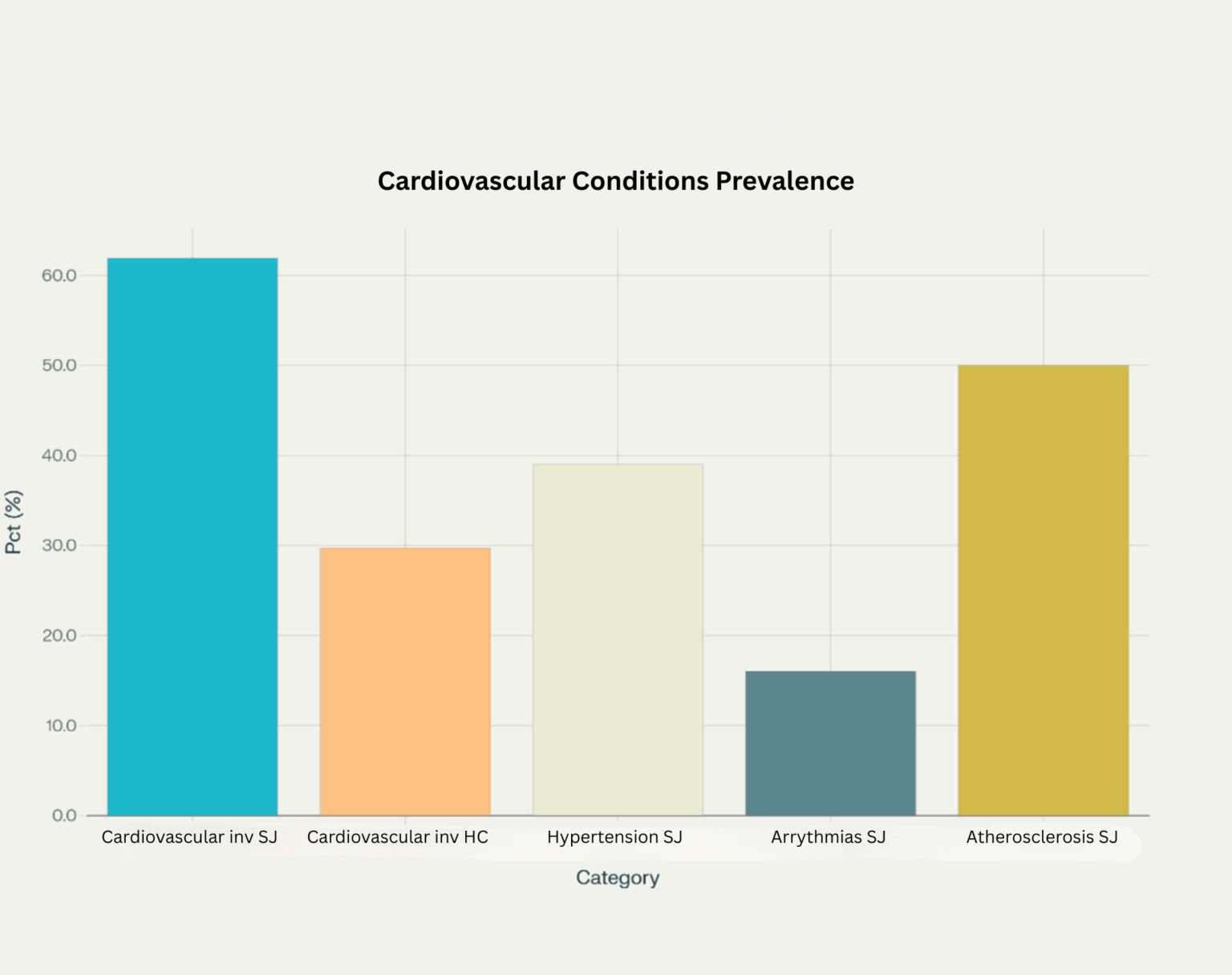
  • Prevalence of cardiovascular involvement in Sjögren’s patients: 61.9%
  • Prevalence in healthy controls: 29.7%
  • Hypertension in Sjögren’s patients: 28–50%
  • Arrhythmias (including tachycardia): Reported by 16%
  • Atherosclerosis: Found in up to 50% in small studies

These statistics underscore the importance of taking heart health seriously if you or a loved one is living with Sjögren’s.

A Closer Look: Why Does Sjögren’s Raise Cardiovascular Risk?

Traditional risk factors—think high blood pressure, high cholesterol, sedentary lifestyle—play a role for everyone. But for those with Sjögren’s, the disease itself adds fuel to the fire, driving risk in ways not seen in the general population. Here’s how:

    • Chronic inflammation from overactive immune responses damages the blood vessels.
    • Pro-inflammatory cytokines (such as TNFα, IL-1β, and IL-6) and autoantibodies (anti-Ro/SSA) accelerate the development of atherosclerosis—plaque buildup in arteries.
    • Endothelial dysfunction means the inner lining of blood vessels stops working properly, causing vessels to narrow and raising blood pressure.
    • Arterial stiffness reduces the natural flexibility of arteries, making the heart work harder and potentially leading to heart failure, particularly a subtype called HFpEF (Heart Failure with Preserved Ejection Fraction).
    • Conduction disturbances, including heart block, arise from direct or indirect immune-mediated injury to the heart’s electrical signaling pathways.

Beyond Dry Mouth: How Does the Heart Suffer in Sjögren’s?

Cardiovascular involvement is diverse and sometimes silent in its onset. 

Common manifestations in Sjögren’s syndrome include:

    • Hypertension
    • Pericarditis and pericardial effusion (inflammation of the lining around the heart)
    • Myocardial ischemia (reduced blood flow to the heart muscle)
    • Arrhythmia (including bradycardia, tachycardia, atrial fibrillation)
    • Valvular disease (damage or thickening of heart valves)
    • Myocarditis (inflammation of heart muscle)
    • Vasculitis
    • Heart block (disruptions in electrical signaling)
    • Heart Failure (especially HFpEF)
    • Atherosclerosis and increased arterial stiffness

In some cases, these heart conditions can be first clues to an underlying autoimmune disease, especially in younger adults who seem too young for traditional cardiovascular issues.

Real People, Real Challenges: Insights from India and Beyond

Research from an Indian tertiary center found that more than one-third of Sjögren’s patients had severe systemic manifestations—often with cardiovascular complications—necessitating stronger treatment. Antibody positivity (anti-Ro, anti-La) was found to significantly raise the risk for systemic and cardiovascular involvement in these patients.

“Cluster analysis revealed two subsets: The first cluster comprised of patients having a major systemic illness with high antibody titers and the second comprised of seronegative patients with mild disease. Over a third of SS cases had severe systemic manifestations necessitating treatment with immunosuppressants.”

Spotting Heart Trouble: What to Watch For?

Heart Attack Signs

    • Chest discomfort or pain (pressure, fullness, squeezing)
    • Pain in the arms, back, neck, jaw, or stomach
    • Shortness of breath (with or without chest discomfort)
    • Lightheadedness, cold sweat, nausea, rapid/irregular heartbeat, and fatigue

Note: Women may experience symptoms like anxiety, back or jaw pain, and unusual fatigue rather than classic chest pain.

Stroke Signs

Remember F.A.S.T.:

    • Face drooping
    • Arm weakness
    • Speech difficulty
    • Time to get help — call a medical helpline or emergency services immediately

Why Can Heart Involvement Go Unnoticed in Sjögren’s?

The symptoms of cardiovascular events can overlap with routine Sjögren’s complaints—such as fatigue and weakness—making it easy to miss the warning signs. Denial and stoicism among patients—especially women—also play a role.

Key advice: If you have chest pain, shortness of breath, or other sudden symptoms that last more than 15 minutes and don’t improve with rest, seek urgent medical care.

Minimising Risk: Take Charge of Your Heart Health

Managing heart risk in Sjögren’s means taking a comprehensive approach:

    • Regular cardiovascular screening: Check blood pressure, blood sugar, and cholesterol regularly.
    • Healthy diet: Emphasize fruits, vegetables, lean proteins, and whole grains.
    • Physical activity: Aim for at least 150 minutes of moderate exercise per week, as tolerated.
    • Don’t smoke.
    • Manage stress and inflammation: Take prescribed immunomodulatory medication consistently; control systemic inflammation.
    • Personalized care: Discuss risk factors and screening with your rheumatologist and cardiologist—especially if you test positive for anti-Ro/SSA or anti-La antibodies.
    • Monitor for cardiac symptoms: Keep a symptom diary; never ignore unusual or persistent chest discomfort, palpitations, or episodes of unexplained fatigue.

Sjögren’s Awareness

    • Sjögren’s isn’t just about “dryness”—it raises risk for serious heart complications.
    • Chronic inflammation and autoantibodies play a major role in arterial damage—even without classic risk factors.
    • Heart disease may be silent or mimic Sjögren’s fatigue and musculoskeletal pain.
    • Women may present with atypical heart symptoms and be underdiagnosed.
    • Address traditional (smoking, hypertension, cholesterol) and disease-specific risk factors.
    • Early lifestyle modification and regular physician follow-up can dramatically reduce complications.
    • Seek urgent care for unexplained chest pain, brain fog, slurred speech, or one-sided weakness.

Empowering Yourself: What Patients and Families Should Do

    • Stay Educated: Understand that Sjögren’s syndrome is a systemic disease, with potential to affect your entire body—including your heart and blood vessels.
    • Advocate for Screening: Push for cardiovascular risk assessment even if you have no prior heart problems.
    • Track Symptoms: Note any changes in fatigue, palpitations, dizziness, or swelling—however subtle.
    • Participate in Support Networks: Patient groups provide invaluable shared experience and current research updates.
    • Collaborate with Your Care Team: Your rheumatologist, cardiologist, and primary doctor must work together for optimal care.
    • Engage in Routine Health Checks: Weight, blood pressure, cholesterol, and blood sugar should be checked regularly.
    • Maintain a Healthy Lifestyle: Even modest changes in diet and activity can yield significant benefits.

Sjögren’s syndrome is more than just an inconvenience—it is a systemic disease with potential life-threatening cardiovascular complications. With new insights and increasing awareness, patients and clinicians can work together to reduce risks and improve outcomes. Remember, awareness is the first crucial step in prevention and early intervention.

If you are living with Sjögren’s, speak with your healthcare provider today about your cardiovascular risk—and take heart, because informed action can make all the difference.

If you suspect a heart attack or stroke threat, call your country’s emergency medical helpline immediately. In India, the ORDI Rare Disease Helpline is available at +91 8892 555 000.

The Six Best Doctors for Life

In our high-tech, high-pressure world, health advice is everywhere. But sometimes, the truest wisdom is the simplest—and absolutely free. As the poet Wayne Fields wrote:

“The best six doctors anywhere
and no one can deny it,
are sunshine, water, rest, and air,
exercise and diet.”

Let’s explore why these six “doctors” create such a powerful foundation for physical and emotional wellbeing, and how you can invite them into your everyday life.

Sunshine: A Daily Dose of Light and Life

Many people underestimate the power of sunlightSunshine triggers the skin to create vitamin D—crucial for mood, bone strength, immune support, and much more. Even as little as 3-15 minutes of sun per day brings proven health benefits.

    • Mood booster: Exposure to sunlight increases natural serotonin (the “feel good” hormone) and helps tune your melatonin rhythm, improving sleep quality and energy.
    • Immune & chronic disease ally: Optimal vitamin D levels are tied to lower risks of cancer, heart disease, obesity, diabetes, and autoimmune conditions.
    • Personalize your sun time: How much you need depends on your skin shade, local climate, the hour, and what you’re wearing.

Quick tips:

    • Step outside within an hour of waking to anchor your body clock.
    • Aim for unfiltered sun on arms and legs, but always balance for your skin type.
    • In winter or if you’re mostly indoors, talk to a healthcare provider about supplements.

Water: The Forgotten Elixir

You know that humans are mostly water—but do you drink enough? Dehydration sneaks up, sapping your energy, clouding thinking, and even mimicking hunger.

    • Recommended minimum: About 2 liters a day, or better: take your weight in pounds, halve it, and drink that many ounces.
    • Benefits: Boosts energy, aids digestion, flushes toxins, supports clear skin, helps prevent headaches, and regulates metabolism.

How to build the habit:

    • Drink 250–500 mL of water (preferably warm or room temperature) first thing in the morning.
    • Add lemon for a gentle detox effect—use a straw to protect your teeth.
    • Keep a reusable water bottle handy, and set friendly reminders.

Rest: Reclaim Your Right to Rejuvenation

Sleep is the original reset button. It’s not a luxury—it’s essential for body and mind repair. Even a single night of poor sleep can spike stress hormones and impact mood, focus, immunity, and metabolism.

    • Aim for: 7–8.5 hours per night.
    • Skip the debt: Chronic sleep loss accumulates (“sleep debt”) and erodes your baseline for what rested feels like.
    • Benefits: Lower blood pressure, better blood sugar, reduced inflammation, sharper thought, brighter mood.

Suggestions for better rest:

    • Commit to a sleep routine—same time, every night.
    • Create a wind-down ritual: turn down lights, power off screens, try gentle yoga or reading.
    • Seek expert help if underlying issues (like hormone shifts or chronic insomnia) persist.

Air: Revitalize With Every Breath

Few things are as revitalizing as deep, conscious breathing. Modern life has made shallow breathing the norm, feeding stress cycles and depriving mind and body of energy.

  • Why it matters: Deep breathing calms the nervous system, reduces cortisol, and improves emotional resilience.
  • How much: Just a few minutes each day—ideally at least 90 minutes total each week.

How to make it a habit:

    • Pair breathwork with movement: yoga, Pilates, or gentle stretching.
    • Try this: Inhale deeply for 4 counts, hold for 4, exhale for 6—repeat several cycles.
    • Step outside daily for fresh air, even if just for a walk around the block.

Exercise: The Universal Prescription

Movement is medicine—with instant and lasting effects. Science shows that regular exercise is as effective as medication for many health conditions, and critical for a sharp mind, stable mood, and long, vital life.

    • Target: At least 150 minutes of moderate exercise weekly (think brisk walking, cycling, swimming).
    • Perks: Stronger muscles and bones, higher metabolism, stress reduction, robust immunity, healthy weight, better blood pressure, and clear thinking.

Make it work for you:

    • Start small. Even 10-minute bursts count.
    • Choose activities you enjoy—variety keeps things interesting.
    • Track progress and reward consistency, not just intensity.
  •  

Diet: Let Food Be Thy Medicine

With trendy diets grabbing headlines, the truth is simple: Nothing beats a foundation of whole, minimally processed foods.

    • Main focus: More vegetables (aim for variety and color!), modest fruits, lean proteins, healthy fats (fish, avocado, olive oil, nuts, seeds).
    • Minimize: White or highly refined carbs (white bread, sugary snacks, soda).
    • Mood connection: Balanced meals steady blood sugar and brain chemistry, supporting stable energy and positivity.

Practical shifts:

    • Follow the 80:20 rule—most meals should be nutritious, but allow room for occasional treats.
    • Add healthier options before “removing” favorites; for example, swap sweet potatoes or brown rice for processed white carbs.
    • Listen to your body—digestive troubles like bloating or cramps may signal deeper issues. Don’t hesitate to reach out to a professional.

Bringing It All Together: The Six “Doctors” in Your Daily Life

Why do these six habits, so often overlooked, matter more than the trendiest biohacks or latest fads? Because they:

    • Work in harmony, reinforcing and amplifying each other’s benefits.
    • Cost little or nothing—no subscription or device required.
    • Reconnect you with nature and your own body’s rhythms.

Try these actionable strategies:

    • Morning routine: Step into sunlight, drink water, stretch and breathe deeply.
    • Throughout the day: Keep moving, hydrate, eat colorful meals, mind your breath.
    • Evening ritual: Unwind tech-free, savor a healthy dinner, and create a peaceful nest for sleep.

And above all—know that every little change adds up. You don’t need perfection; you need persistence and kindness to yourself.

Ready to start today?

Let this serve as your gentle nudge: take that first step today, and watch gradual changes blossom into lasting wellness. If you desire a more tailored approach, consider booking a call to explore our wellness packages with Panaceiaso – designed to help you reconnect, recharge, and thrive naturally. Remember, you hold the power to “Be Your Best Self” every day; the journey begins with a single, mindful choice.

The information above is intended for educational purposes. Always consult with your healthcare provider for advice tailored to your personal needs.

International Yoga Day 2025

Yoga for One Earth, One Health

Every June 21, International Yoga Day invites us to pause, breathe, and reconnect—with ourselves and the world around us. This year’s theme, “Yoga for One Earth, One Health” beautifully underscores how our personal well-being is intertwined with the health of our planet. Rooted in ancient Indian wisdom, yoga has become a global phenomenon since its UN recognition in 2014. It’s not just about flexibility or fitness; yoga nurtures mental peace, emotional balance, and mindful living—qualities our world needs now more than ever.

As we celebrate in 2025, let’s remember: when we care for our bodies and minds, we also inspire harmony with nature. Join a sunrise session, try an eco-friendly yoga practice outdoors, or share your journey online with #YogaForOneEarthOneHealth. Let’s come together to create a ripple of positivity, from our mats to Mother Earth!

What is International Yoga Day?

International Yoga Day, celebrated every June 21, is a global tribute to the ancient practice of yoga and its power to nurture body, mind, and spirit. Declared by the United Nations in 2014, this day shines a spotlight on yoga’s role in promoting peace and well-being worldwide. Coinciding with the year’s longest day in the Northern Hemisphere, it symbolizes vitality and renewal. Today, from bustling cities to quiet villages, millions unite on their mats, embracing yoga as a universal language of health, harmony, and hope—reminding us all to breathe, stretch, and live mindfully.

Why Do We Celebrate Yoga Day?

Yoga Day, observed every June 21, is more than a global event—it’s a celebration of unity, peace, and holistic well-being. Initiated by India and officially recognized by the United Nations in 2014, this day now brings together people from over 190 countries. It’s not just about striking poses; Yoga Day shines a light on the entire philosophy of yoga—embracing breathwork, meditation, and mindful living. By honoring this ancient practice on the summer solstice, we remind ourselves that yoga is a universal language, helping us build healthier bodies, calmer minds, and a more harmonious world.

Theme of International Yoga Day 2025: Yoga for One Earth, One Health

This year’s International Yoga Day theme, “Yoga for One Earth, One Health,” beautifully highlights how our personal well-being and the planet’s health are deeply connected. India is leading the way with 10 signature events, including the inspiring Yoga Sangam, weaving together local traditions and eco-consciousness. The 2025 theme encourages us to see yoga as more than a personal practice—it’s a path to global harmony and sustainability. As we nurture our bodies and minds, we also nurture the Earth, reminding us that true health is a shared journey for all.

The Inspiring Journey of International Yoga Day

International Yoga Day began with a visionary proposal by PM Narendra Modi at the UN in 2014, winning historic support from 177 countries. The first celebration on June 21, 2015, saw nearly 36,000 people from 84 nations gather at New Delhi’s Rajpath—setting a world record despite the weather! Since then, Yoga Day has blossomed globally, with iconic sessions from Times Square to the Eiffel Tower and participation in over 190 countries. Each year, evolving themes—like 2025’s “Yoga for One Earth, One Health”—keep the celebration fresh, relevant, and deeply connected to our shared global challenges.

The Significance of International Yoga Day

International Yoga Day is a celebration of unity, drawing people from every corner of the globe to move, breathe, and reflect together. It’s more than just striking poses—this day shines a light on the full spectrum of yoga, from mindful breathing to meditation and ethical living. Research continues to show yoga’s power in preventing and managing lifestyle diseases, making it a true ally for health. With 2025’s theme, “Yoga for One Earth, One Health,” the day also champions environmental wellness, aligning yoga’s ancient wisdom with the world’s urgent call for sustainability and the United Nations’ Sustainable Development Goals.

The Importance of Yoga: More Than Just Exercise

Yoga is a timeless gift from ancient India, offering much more than physical exercise. It’s a holistic pathway to wellness—boosting flexibility, calming the mind, balancing emotions, and nurturing the spirit. Even after 5,000 years, yoga remains a powerful tool for total health and inner harmony. Benefits of yoga :

    • Enhances Flexibility & Balance: Yoga keeps your joints supple, improves posture, and boosts body awareness.
    • Builds Strength: Many poses naturally tone muscles and strengthen your core—no gym required!
    • Boosts Immunity: Breathing techniques and postures activate the lymphatic system, helping your body detox and defend itself.
    • Supports Heart Health: Yoga lowers blood pressure, improves circulation, and reduces cardiovascular risks.
    • Eases Chronic Pain: Whether it’s back pain, arthritis, or migraines, yoga can be a gentle, effective way to manage discomfort.
    • Yoga is a timeless path to holistic health—nourishing body, mind, and spirit.
Yoga for Mental and Emotional Well-being:
  • Reduces Stress & Anxiety: Yoga soothes the nervous system, lowers cortisol, and brings a sense of calm to even the busiest minds.
  • Sharpens Focus & Clarity: Mindful breathing and meditation boost concentration, helping you stay present and emotionally balanced.
  • Builds Emotional Resilience: Regular practice deepens self-awareness, nurturing patience, acceptance, and mental strength for life’s ups and downs.
  • Yoga isn’t just about the body—it’s a powerful ally for your mind and heart, guiding you toward greater peace, clarity, and emotional stability.
Yoga’s Preventive and Therapeutic Benefits:
  • Manages Chronic Diseases: Yoga complements medical care for diabetes, asthma, and hypertension, supporting better health outcomes.
  • Improves Sleep Quality: Gentle poses and breathwork relax the body, helping regulate sleep cycles and ease insomnia.
  • Boosts Energy Levels: Even a short daily session can recharge your body and mind, leaving you refreshed and ready to take on the day.
Yoga for Spiritual Growth and Self-Awareness:
    • Connects Mind and Body: Yoga nurtures harmony between your inner self and the outer world, encouraging mindful, conscious living.
    • Fosters Inner Peace: With regular practice, yoga cultivates a sense of oneness, compassion, and deeper spiritual understanding.
    • Encourages Ethical Living: Rooted in ancient philosophy, yoga inspires values like non-violence, truthfulness, and contentment—the Yamas and Niyamas—guiding us toward a more meaningful and ethical life.
    • Yoga for Social and Environmental Harmony:
      Builds Community: Yoga unites people from all walks of life, fostering connections, mutual respect, and a genuine sense of belonging.
    • Encourages Sustainable Living: Rooted in mindfulness, yoga inspires us to consume thoughtfully, live simply, and protect our planet for future generations.
Yoga and the United Nations Sustainable Development Goals
    • Promotes Good Health (SDG 3): Yoga is a powerful ally for physical and mental well-being, supporting global health initiatives.
    • Encourages Responsible Consumption (SDG 12): Yogic principles inspire mindful choices and sustainable lifestyles, reducing our ecological footprint.
    • Drives Climate Action (SDG 13): By fostering respect for nature, yoga motivates us to protect the environment and take climate action.
    • Fosters Peace and Justice (SDG 16): Yoga’s emphasis on inner harmony and ethical living contributes to more peaceful, just, and resilient communities.
How to Celebrate International Yoga Day: Your Guide to a Meaningful Experience
    • Practice Yoga, Anywhere: Whether you’re a beginner or a lifelong yogi, International Yoga Day is your invitation to move, breathe, and connect. Join a mass outdoor session—often the highlight of the day—or roll out your mat at home and follow the Common Yoga Protocol. Practising at sunrise or sunset is especially powerful, symbolizing new beginnings and natural alignment with the earth’s rhythms.
    • Join Local Yoga Day Events: Across cities, you’ll find vibrant events like Yoga Sangam, Yoga Bandhan, Yoga Park, and Yoga Unplugged. These gatherings, hosted by schools, NGOs, and wellness clubs, create a sense of community and shared purpose. Don’t forget to check out International Yoga Day charts and displays, which showcase different asanas and pranayama techniques—perfect for learning and inspiration.
    • Pick Up a Yoga Mat—Go Green: The right mat can transform your practice. Choose eco-friendly options made from jute or natural rubber to care for both your body and the planet. Practising on a sustainable mat is a small but meaningful step toward responsible living.
    • Share Your Journey: Capture your favourite yoga moments and share them online with #InternationalYogaDay. Your story might inspire someone else to start their own journey toward wellness.
    • Explore Mindfulness Beyond Asanas: Yoga isn’t just about poses—try meditation, breathwork, or even a mindful walk in nature. Use this day to deepen your connection with yourself and the world around you.
    • Get Creative: Make International Yoga Day special for kids with yoga-themed art, music, or storytelling. Host a mini yoga session with friends or family, or organize a virtual meet-up if you’re far apart.
    • Reflect and Set Intentions: Take a few moments to reflect on what yoga means to you. Set an intention for your practice—whether it’s gratitude, peace, or simply being present.
The Transformative Benefits of Yoga: A Complete Guide

Yoga is more than just a workout—it’s a lifestyle that nurtures every aspect of your being. Whether you’re a beginner or a seasoned practitioner, the benefits of yoga ripple through your body, mind, spirit, and even the world around you. Here’s how yoga can transform your life:

Physical Benefits of Yoga
    • Boosts Flexibility: Regular practice gently stretches muscles and joints, increasing your range of motion and making everyday movements easier and more comfortable.
    • Builds Strength & Balance: Yoga poses engage and tone muscles throughout the body, especially the core, helping you stand taller and move with greater stability.
    • Improves Posture: By strengthening back and abdominal muscles, yoga helps correct postural imbalances caused by long hours at a desk or on devices.
    • Supports Heart & Lung Health: Many yoga postures and breathing techniques enhance cardiovascular endurance and increase lung capacity, leading to better stamina and overall health.
    • Strengthens Immunity: Yoga stimulates the lymphatic system, helping your body fight off illness and recover faster from stress or fatigue.
    • Manages Chronic Pain: From backaches to arthritis, yoga offers gentle, effective relief for chronic pain and can aid in injury recovery.
Mental and Emotional Benefits of Yoga
    • Reduces Stress & Anxiety: Breathing exercises and meditation calm the nervous system, lower cortisol levels, and create a deep sense of inner peace.
    • Sharpens Focus & Clarity: Mindful movement and breathwork improve concentration, memory, and mental agility—helping you stay present and productive.
    • Enhances Emotional Balance: Yoga encourages self-reflection and acceptance, leading to improved mood, resilience, and the ability to handle life’s challenges with grace.
Therapeutic and Preventive Health Benefits
    • Manages Chronic Conditions: Yoga is a valuable complement to medical care for hypertension, diabetes, obesity, and asthma, supporting better long-term health.
    • Aids Rehabilitation: Many healthcare professionals recommend yoga for recovery after injuries or surgeries, as it gently restores strength and mobility.
    • Improves Digestion & Metabolism: Certain poses stimulate digestive organs, boost metabolism, and help regulate hormonal imbalances—especially helpful during menopause or pregnancy.
    • Supports Better Sleep: Relaxation techniques and restorative poses help regulate sleep patterns and combat insomnia, leaving you refreshed each morning.
Spiritual and Self-Awareness Benefits
    • Deepens Self-Connection: Yoga is a journey inward, helping you connect with your true self and discover a sense of purpose and meaning.
    • Cultivates Compassion & Oneness: Through mindful practice, yoga fosters empathy, kindness, and a feeling of unity with all living beings.
    • Encourages Ethical Living: The philosophy of yoga inspires values like non-violence (ahimsa), truthfulness (satya), and contentment (santosha), guiding you toward a more mindful and purposeful life.
Environmental and Social Benefits
    • Promotes Sustainable Living: Yoga’s emphasis on mindfulness often leads practitioners to adopt eco-friendly habits—like eating plant-based foods, reducing waste, and choosing sustainable products.
    • Builds Community & Inclusivity: Yoga brings people together across cultures and backgrounds, creating a sense of belonging and mutual respect.
    • Supports Global Goals: By fostering health, harmony, and conscious living, yoga aligns with the United Nations Sustainable Development Goals (SDGs), including climate action, public health, and peaceful societies.
The Eight Limbs of Yoga:
    • Yoga is so much more than just physical poses—it’s a holistic path to self-mastery and conscious living, beautifully outlined by Patanjali in the Yoga Sutras. He describes eight interconnected limbs, each guiding us toward a balanced, meaningful life:
    • Yama (Social Ethics): Principles like non-violence and truthfulness that shape our interactions with the world.
    • Niyama (Personal Ethics): Practices such as self-discipline and contentment that foster inner growth.
    • Asana (Physical Postures): The familiar poses that build strength, flexibility, and body awareness.
    • Pranayama (Breath Control): Techniques to harness and balance our vital energy through mindful breathing.
    • Pratyahara (Withdrawal of Senses): Turning inward, away from external distractions, to focus on the self.
    • Dharana (Focused Attention): Training the mind to concentrate on a single point or idea.
    • Dhyana (Meditation): Sustained, effortless awareness that brings deep peace.
    • Samadhi (Enlightenment/Unity): The ultimate state of oneness and bliss.
International Yoga Day: Beyond the Mat

While International Yoga Day often shines a spotlight on asana (physical postures) and pranayama (breathwork), it’s important to remember these are just two petals of yoga’s vibrant flower. True yoga is a way of life—embracing conscious choices, ethical living, and inclusivity at every step. This special day isn’t just about stretching or perfecting a pose; it’s about celebrating the unity, harmony, and peace that yoga inspires across the globe. Whether you’re flowing solo in your living room or joining a community sunrise session, you’re part of a worldwide movement for happiness and well-being.

Let’s use International Yoga Day as a reminder to carry the spirit of yoga off the mat—spreading kindness, compassion, and joy wherever we go. Together, we can create a ripple of positivity that touches every corner of the world. Namaste!

Celebrate Autistic Pride Day

EMBRACING NEURODIVERSITY WITH HEART AND HOPE

Every year on June 18th, the world unites to honor Autism Pride Day, a powerful celebration of neurodiversity and the extraordinary individuals who bring unique perspectives and strengths to our shared human experience. It’s more than a date on the calendar—it’s a movement, a statement, and a collective embrace of what makes us beautifully different.

On this day, we shine a light not on labels or limitations, but on possibility, potential, and pride. We celebrate the resilience and brilliance of autistic individuals and recommit ourselves to building a world that not only includes them—but welcomes, uplifts, and honors them.

The Heart of Autism Pride Day🌈

First celebrated in 2005, Autism Pride Day was sparked by the advocacy group Aspies for Freedom, choosing June 18th to coincide with the birthday of Dr. Temple Grandin—a pioneering voice in both animal science and autism awareness. Dr. Grandin is living proof that being autistic doesn’t mean being limited. In fact, it can mean having a mind that sees what others can’t, feels deeply, and solves problems in extraordinary ways.

Autism Pride Day turns the spotlight away from pity or pathology and instead focuses on power, pride, and personhood. It challenges the outdated notion that autism is something to be “fixed” and instead frames it as a natural, valuable variation of the human brain—a thread in the vast, vibrant fabric of humanity.

Understanding Autism: More Than a Diagnosis

Autism Spectrum Disorder (ASD) includes a wide range of characteristics, and no two people experience autism in the same way. Some may struggle with social interaction or sensory processing; others might communicate differently or engage in repetitive behaviors. But these traits are only part of the picture.

Many autistic individuals demonstrate incredible strengths—from heightened focus and detailed memory to exceptional honesty, creativity, and loyalty. Autism is not a flaw. It’s a different way of experiencing the world.

And this is where the concept of neurodiversity comes in. Coined in the 1990s, neurodiversity recognizes that conditions like autism, ADHD, dyslexia, and dyspraxia are not disorders to be cured, but natural cognitive differences that deserve understanding, respect, and support.

By embracing neurodiversity, we create space for innovation, compassion, and true inclusion.

Stories of Strength: Celebrating Achievements

Autism Pride Day is a time to celebrate achievements, not just challenges. Across the globe, autistic individuals are making vital contributions in science, the arts, education, business, and beyond.

From Dr. Temple Grandin’s revolutionary work in humane livestock handling to Greta Thunberg’s global environmental advocacy, autistic voices are bold, brilliant, and brave.

Many businesses are discovering that neurodiverse employees often bring unmatched focus, creativity, and problem-solving skills. With the right accommodations and environments, autistic individuals don’t just participate—they thrive, transforming their communities and industries in meaningful ways.

Yet, every success story is built on courage, effort, and often, silent battles. Behind every milestone is a person navigating a world that too often misunderstands them. Autism Pride Day honors not only visible victories but also the quiet resilience of those who persevere in a world not yet fully designed for them.

Promoting Acceptance Over Awareness

There’s a growing shift from awareness to acceptance—and rightly so. Awareness acknowledges existence; acceptance celebrates humanity.

On Autism Pride Day, we ask people to look beyond stereotypes and see the whole person. Acceptance means:

  • Listening without judgment
  • Creating sensory-friendly spaces
  • Using clear, compassionate communication
  • Acknowledging that every behavior has meaning
  • Understanding that different does not mean less

This day is also a powerful platform for challenging societal norms, breaking down barriers, and encouraging everyone to ask: How can I help create a world where neurodiverse individuals feel safe, seen, and supported?

Voices That Matter: Centering Autistic People

True inclusion means elevating autistic voices—not speaking over them. On Autism Pride Day, take time to read blogs, watch videos, and follow social media accounts run by autistic individuals. Their lived experiences offer the most authentic insight into what it means to live on the spectrum.

Sharing their stories fosters empathy and dismantles harmful myths. It also helps create spaces where autistic people don’t feel pressured to mask or hide their true selves. Their voices are valid, their perspectives vital.

Let us amplify—not override—the voices of those who know autism best.

The Role of Caregivers and Allies

Behind many autistic individuals are dedicated caregivers, educators, and allies who play a pivotal role in their lives. These individuals offer support, advocacy, and love—often while juggling their own challenges.

But caregiving is demanding. Autism Pride Day is also a time to recognize and appreciate their efforts while encouraging caregiver self-care. Even a short break, a heartfelt conversation, or connecting with a support group can offer much-needed strength.

Caring for others begins with caring for oneself.

How You Can Participate and Make a Difference

You don’t need to be a specialist or an activist to support Autism Pride Day. Small, intentional actions can have a massive impact:

    1. Educate Yourself and Others: Read books and articles about autism. Watch documentaries or listen to podcasts by autistic creators. Share what you learn to dispel myths and promote understanding.
    2. Support Local Events or Virtual Celebrations: Attend an Autism Pride parade, art show, or panel discussion. If you prefer something quieter, join a live stream or explore recorded webinars.
    3. Champion Inclusive Practices at Work and School: Push for sensory-friendly spaces, clear communication methods, and understanding of neurodiverse needs. Inclusion benefits everyone.
    4. Celebrate Autistic Talent: Buy from autistic-owned businesses. Share autistic artists’ work. Praise the creativity, insight, and originality that neurodiversity brings.
    5. Be an Everyday Ally: Speak up against bullying, ableism, or exclusion. Use inclusive language. Advocate for policies that promote equity and accessibility.
    6. Practice Empathy: Whether it’s a colleague who avoids eye contact or a child who needs routine, remember—there is no one “right” way to be human.
A Global Call for Change

Autism Pride Day is not just a celebration—it’s a call to action. We must move beyond token gestures to meaningful transformation:

    • Access to quality education and therapies
    • Workplaces that accommodate and uplift
    • Healthcare that respects neurodiversity
    • Media that represents autistic individuals authentically

Too often, autistic people are excluded not by their abilities, but by societal structures. We have the power—and the responsibility—to change that.

Embracing Life’s Spectrum

Life is not black and white—it’s a spectrum of thoughts, emotions, and experiences. Autism is one of the most profound reminders of this truth.

As a business, a community, a society, we must strive to do better—not out of obligation, but from a place of genuine compassion and admiration. The courage it takes to be oneself in a world that often demands conformity is nothing short of heroic.

To every person on the autism spectrum: You matter. You inspire. You belong.

To every caregiver, teacher, friend, and ally: Your efforts are seen. Your support is powerful. Your love changes lives.

Let’s keep pushing for a world where neurodiversity is not merely tolerated, but fully embraced—where pride replaces shame, support replaces struggle, and difference is a cause for celebration, not division.

Happy Autism Pride Day.

💙🌈 Let’s carry this message forward—today and every day.🌈💙

15 June Fathers Day (1)

Celebrating Father’s Day: A Call to Prioritize Men’s Health and Wellness

Father’s Day is more than a day of cards, cakes, and celebrations — it’s a heartfelt reminder to honor the incredible men in our lives. Whether it’s your dad, uncle, brother, grandfather, or any father figure, this is the perfect occasion to acknowledge their love, sacrifices, and unwavering support.

As Father’s Day follows the close of Men’s Health Week, it’s more than a celebration, it’s a call to action. Let’s honor dads not just with gifts, but with genuine care for their health. Whether it’s scheduling checkups, encouraging healthier habits, or simply spending quality time, every gesture counts. This year, celebrate the strength behind the smile by putting your father’s wellness first. Strong dads make strong families.

While we shower them with appreciation, let’s also turn our attention to something that often gets sidelined — their health. Men’s health is not just a men’s issue; it’s a family concern. Women, too — mothers, daughters, wives — play a pivotal role in supporting the well-being of the men they care about.

As we celebrate the strength and guidance of fathers, let’s also reflect on the health challenges they quietly face — and how we can encourage proactive care and prevention.

Why Talk About Men’s Health on Father’s Day?

Behind every hardworking, loving dad is a human being who may be battling fatigue, chronic stress, or undiagnosed conditions in silence. Sadly, studies continue to show that men are less likely to seek medical advice or undergo preventive checkups.

Some avoid doctors due to fear of diagnosis. Others associate seeking help with weakness. But here’s the truth: taking charge of your health is not a weakness — it’s one of the greatest forms of strength. Regular checkups and screenings not only increase longevity but also improve the quality of life.

So, this Father’s Day, let’s flip the script. Let’s encourage the dads in our lives to put themselves first — for once.

❤️ Heart Disease: Cardiovascular disease remains the leading cause of death among adult men. Whether it’s high blood pressure, clogged arteries, or the risk of stroke — 1 in 3 men is affected by some form of heart disease. Regular screening of blood pressure, cholesterol, and lifestyle factors like smoking and diet is essential for prevention.

🍬 Diabetes: Type 2 diabetes is a silent condition that often goes undetected until serious complications arise — from nerve damage to kidney issues and heart attacks. A diet rich in fiber, regular movement, and blood sugar monitoring are key to prevention and management.

 Respiratory Illnesses: Conditions like COPD, pneumonia, and influenza hit men harder. Smoking and environmental exposure add to the risk. Early intervention and quitting tobacco can make a world of difference.

🌞 Skin Cancer: Skin cancer may not get much attention, but it’s deadlier for men. Regular use of sunscreen, protective clothing, and avoiding tanning beds can significantly reduce the risk.

🧠 Mental Health: Men often hide their emotional pain. Depression, anxiety, and even suicidal thoughts frequently go unspoken. On Father’s Day, let’s remind our dads it’s okay to ask for help — and more importantly, that help is available.

Prostate & Liver Health: Prostate cancer is the second most common cancer in men. Liver diseases, especially due to alcohol and smoking, are also increasingly common. Regular checkups, liver function tests, and early prostate screenings can help catch problems before they become serious.

How You Can Help Dad Thrive — Physically and Mentally

As caregivers, children, and loved ones, we play a powerful role in encouraging our fathers to take their health seriously. Here are some practical tips to help them achieve optimal well-being:

  • 🧡 Spend quality time to boost emotional well-being
  • 💤 Encourage restful sleep — at least 7–8 hours per night
  • 🥗 Promote a nutritious diet rich in vegetables, lean proteins, and whole grains
  • 🚰 Ensure proper hydration
  • 🏃‍♂️ Support regular physical activity — walks, light workouts, or sports.
  • 📋 Schedule regular health screenings and follow-up appointments
  • 🗣️ Talk openly about stress or mental health concerns
Essential Health Screenings for Men Over 40

After 40, men should begin regular screenings to detect diseases before symptoms appear. These tests help in preventing serious complications and maintaining vitality.

Cardiovascular disease is a silent threat that often goes unnoticed until it’s too late. That’s why men should prioritize regular heart health assessments. Tests like ECGs, stress tests, and lipid profiles help detect early signs of heart trouble — from abnormal rhythms to clogged arteries. These screenings can catch issues before they become dangerous, allowing for timely treatment and lifestyle changes. Early detection isn’t just smart; it can be lifesaving. Don’t wait for symptoms — stay one step ahead. Protect your heart, protect your future. Schedule a cardiovascular checkup and take control of your health today. ❤️🩺

Diabetes Screening: A Vital Step for Men 40+ 

Diabetes doesn’t always show symptoms early—but it can quietly harm your heart, kidneys, nerves, and eyes. That’s why men over 40 should make regular diabetes screenings a non-negotiable. Tests like fasting blood sugar and HbA1c levels provide a clear picture of how your body is managing glucose. Early detection can prevent complications and help you stay on top of your health game. With the right lifestyle changes and medical support, diabetes is manageable — but only if caught in time. Take charge before diabetes takes a toll. Book your screening. Stay strong. Stay ahead. 💪🩸

Prostate Health: Don’t Overlook It 

As men age, prostate health becomes increasingly important. Regular screenings like PSA blood tests and digital rectal exams can detect early signs of prostate issues, including cancer. Early detection means better outcomes. Prioritize your health—get screened, stay informed, and take control of your well-being. 🩺💙

Bone Density Screening: Build a Stronger Future

With age, men face a gradual decline in bone strength, often unnoticed until a serious fracture occurs. That’s why bone density screening is essential—it’s quick, non-invasive, and reveals early signs of osteoporosis or bone loss. Detecting these issues early allows for timely intervention through lifestyle changes, supplements, or treatment. Don’t wait for a break to take action. Prioritize your bone health today and keep moving strong, steady, and pain-free well into the future. 🦴💪

Eyes & Smiles Matter: Don’t Skip These Checkups

As the years go by, both vision and dental health can quietly decline. Regular eye exams help catch early signs of glaucoma, cataracts, or even underlying conditions like diabetes and high blood pressure. Meanwhile, dental checkups prevent gum disease, tooth loss, and infections that can affect your overall health. These aren’t just routine visits — they’re key to aging well. Protect your sight, preserve your smile — schedule those checkups and stay confidently healthy! 👁️🦷

Liver Checkups: Guard Your Body’s Silent Workhorse

Your liver works hard every day, but with age, its efficiency can decline—often without obvious symptoms. That’s why regular liver function tests, ultrasounds, and hepatitis screenings are essential. These simple checkups can catch liver issues like fatty liver, cirrhosis, or infections before they escalate. Early detection means easier management and a healthier life. Don’t ignore your liver—protect it with timely screenings and give your body the care it quietly deserves. 🍵🧬

Gut Health Check: Screen Smart, Live Strong

As we age, the risk of digestive issues like colorectal cancer, ulcers, and polyps increases. Thankfully, tools like stool tests, colonoscopies, and endoscopies make it possible to detect these conditions early—often before symptoms appear. Early diagnosis means simpler treatment and better outcomes. Don’t wait for discomfort to take action. Prioritize your digestive health with routine screenings and keep your gut strong, your energy high, and your life on track. Your health starts from within! 🍽️🩺

Final Thoughts: Let’s Change the Narrative

Men’s health is a crucial but often overlooked issue. Conditions like heart disease, stroke, cancer, diabetes, and mental health disorders continue to take a heavy toll on male lives — many of them preventable through awareness, lifestyle changes, and early intervention.

This Father’s Day, let’s do more than just celebrate — let’s invest in the long-term health and happiness of the men who mean the world to us.

🎉 Show your love with action:

✅ Book that overdue health checkup
✅ Encourage open conversations about wellness
✅ Be part of his journey to better health

Because the best gift you can give your dad isn’t in a box — it’s a longer, healthier life.

This Father’s Day, take the first step. Book a screening for your dad with Panaceiaso. Because his health is your greatest blessing.

✨ Early detection saves lives — schedule an appointment today! ✨
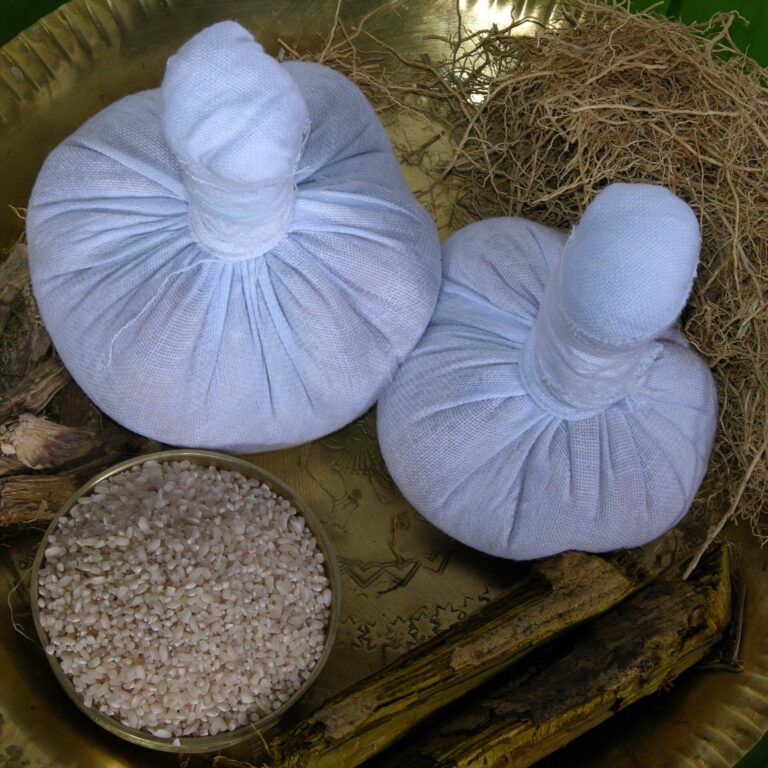
Rejuvenate in Paradise: A Holistic Wellness Retreat

DISCOVER REJUVENATION AT KALARI RASAYANA
A Sanctuary for Wellness

In today’s demanding world, the pursuit of holistic well-being is more than a luxury-it’s a necessity. Among India’s most celebrated wellness retreats, Kalari Rasayana in Kerala stands out as a beacon for authentic rejuvenation therapies rooted in Ayurveda, yoga, and mindful living. This blog explores why Kalari Rasayana is the ultimate destination for those seeking profound healing, restoration, and a renewed zest for life.

Why Choose Kalari Rasayana for Rejuvenation?

Kalari Rasayana is not just a wellness center-it is a transformative experience. Nestled in the lush greenery of Paravoor village, surrounded by tranquil backwaters and coconut groves, this NABH-accredited Ayurvedic hospital offers a serene and nurturing environment for deep healing. 

Key Features:

  • Personalized Ayurvedic Programs: Every guest receives a customized treatment plan, crafted and adjusted daily by experienced Ayurvedic doctors and therapists.
  • Expert Team: The center boasts 3 qualified doctors, 22 massage therapists, nutritionists, and yoga teachers, all led by Dr. Sri Lal, a pioneer in Ayurvedic healing.
  • Holistic Approach: Treatments integrate Ayurveda, yoga, meditation, and mindful nutrition, ensuring a comprehensive path to wellness.
  • Serene Accommodation: With 22 modern rooms and 11 treatment rooms, guests enjoy comfort and privacy amidst nature.

The Essence of Rejuvenation Therapies at Kalari Rasayana

1. Authentic Ayurvedic Treatments

Kalari Rasayana specializes in time-honored Ayurvedic therapies designed to cleanse, restore, and rejuvenate the body and mind:

  • Rasayana (Rejuvenation) Therapy: Focuses on nourishing the body’s tissues, enhancing immunity, and slowing the aging process through herbal remedies, specialized massages, and dietary guidance.
  • Panchakarma (Detoxification): A signature process involving oil massages (Abhyangam), herbal steam baths (Swedana), and therapeutic purgation (Virechana) to eliminate toxins and restore dosha balance.
  • Unique Massage Techniques: Experienced therapists employ a variety of massage styles, some unique to Kalari Rasayana, to activate the nervous system and normalize energy flow.

2. Personalized Healing Journey

  • Daily Adjustments: Treatment plans are reviewed and adjusted every day, ensuring optimal progress and responsiveness to your body’s needs.
  • Individualized Nutrition: Meals are tailored to each guest’s constitution and health goals, using locally sourced, organic ingredients bursting with flavor and health benefits.

3. Integration of Yoga and Meditation

Before each therapy session, guests participate in meditation or yoga to prepare the body and mind for healing. This mindful approach maximizes the benefits of each treatment and fosters deep relaxation.

Who Can Benefit from Kalari Rasayana?

Kalari Rasayana welcomes individuals seeking:

  • Relief from chronic ailments (diabetes, stress, digestive issues, etc.)
  • Anti-aging and longevity therapies
  • Detoxification and immune system enhancement
  • Mental health support and stress management
  • Weight management and lifestyle transformation

The Rejuvenation Process: What to Expect

Step-by-Step Experience:

  1. Consultation and Assessment: A thorough evaluation of your constitution (dosha) and health concerns by an Ayurvedic doctor.
  2. Customized Treatment Plan: A blend of therapies, herbal formulations, and lifestyle recommendations tailored to your needs.
  3. Cleansing and Detoxification: Panchakarma therapies to eliminate toxins and reset your system.
  4. Rejuvenation Therapies: Rasayana treatments to rebuild strength, vitality, and mental clarity.
  5. Diet and Lifestyle Guidance: Continuous support on nutrition, daily routines, and mindfulness practices for lasting results.

Why Rejuvenation Matters: The Science and Philosophy

Ayurveda’s Holistic Vision

Ayurveda, the foundation of Kalari Rasayana’s therapies, emphasizes the balance of body, mind, and spirit for optimal health. Rejuvenation (Rasayana) and detoxification (Panchakarma) are central to this philosophy, aiming to:

  • Cleanse the body of toxins
  • Restore energy and vitality
  • Enhance immunity and longevity
  • Promote mental clarity and emotional balance

Modern Wellness Trends

Today’s wellness seekers value preventative care, longevity, and holistic healing. Kalari Rasayana aligns with these trends by offering:

  • Regenerative therapies that restore the body’s natural healing capacity
  • Personalized wellness plans that address both immediate concerns and long-term health goals
  • Education and empowerment for sustainable well-being

A Day at Kalari Rasayana: Immersive Wellness

Imagine waking up to the gentle sounds of nature, practicing yoga by the backwaters, and enjoying nourishing meals prepared just for you. Your day unfolds with personalized therapies, meditation, and time for reflection-all designed to help you disconnect from stress and reconnect with your true self.

Why Kalari Rasayana Stands Out

Feature Kalari Rasayana Typical Wellness Centers
Authentic Ayurveda Yes, with daily doctor supervision Varies, often less personalized
Custom Nutrition Individually designed, organic meals Standardized menus
Experienced Team 3 doctors, 22 therapists, yoga teachers Staff expertise varies
Serene Environment Backwaters, coconut groves, modern rooms May lack natural settings
Mind-Body Integration Yoga, meditation before each therapy Often offered as separate activities
Treatment Duration 14–21 days recommended for full benefit Often shorter programs

Conclusion: Invest in Your Well-being

Kalari Rasayana offers more than therapies-it offers a path to profound transformation. Whether you seek to heal, rejuvenate, or simply rediscover balance, this sanctuary in Kerala promises a holistic, personalized, and deeply restorative experience.

Take the first step on your wellness journey-immerse yourself in the healing embrace of Kalari Rasayana and emerge renewed, revitalized, and ready to embrace life’s possibilities.

For those ready to invest in their health and happiness, Kalari Rasayana is the destination where ancient wisdom meets modern wellness. Your journey to rejuvenation begins here.

Note: For more information on booking and program details, connect with Panaceiaso on +91-7787837787.

*** AQI STORY OF DELHI ***

Air pollution in Delhi, India, has reached alarming levels, with fine particulate matter (PM2.5) concentrations reported to be 10.7 times higher than the World Health Organization’s (WHO) annual air quality guidelines. This situation is exacerbated every autumn, particularly during the paddy straw burning season, where farmers set fire to excess straw to clear land for new crops. The smoke from these fires combines with urban emissions, creating a thick haze that can be seen from space.

** The Autumn Crisis **
As temperatures drop and winds decrease, pollutants become trapped in the atmosphere, leading to a dramatic spike in air pollution levels. In early November 2023, this resulted in hazardous air quality that prompted school closures and health warnings across the region. The NASA satellite imagery captured the severity of the smoke pollution, illustrating how widespread the issue has become.

The health implications of such pollution are dire. PM2.5 particles, which are about one-thirteenth the width of a human hair, can penetrate deep into the lungs and enter the bloodstream. Studies suggest that breathing Delhi’s air could equate to smoking 25-30 cigarettes a day. The Air Quality Life Index indicates that current pollution levels could shorten the lifespan of nearly 40% of India’s population by an average of 7.6 years, while adhering to WHO guidelines could add 10 years to the lives of 240 million Indians.

** A Growing Problem **
Delhi’s air quality has consistently ranked among the worst globally, with recent reports placing it as the second most polluted city in the world according to IQAir. The situation worsened this year due to delayed monsoon rains and increased firecracker usage during Diwali—a festival celebrated with fireworks that further exacerbates air quality issues.

Government responses have included measures like an odd-even vehicle rule, limiting vehicle use based on license plate numbers, and restricting construction activities. Water-spraying trucks have been deployed to settle dust, but these efforts have had limited success in significantly reducing pollution levels.

** Innovative Solutions and Challenges Ahead **
In a bid to combat this persistent problem, Delhi’s Environmental Minister Gopal Rai has sought approval for cloud seeding, a technique that aims to induce rainfall by injecting clouds with salts to encourage condensation. While promising, this method requires specific conditions for effectiveness and raises questions about long-term environmental impacts.

Despite ambitious goals set by India’s National Clean Air Programme (NCAP) to reduce PM2.5 levels by 20-30% by 2024, progress has been inconsistent. As of 2023, many regions still experience unhealthy air quality, with approximately 1.6 million deaths attributed to air pollution annually in India.

** A Call for Comprehensive Action **
The challenges posed by air pollution in Delhi reflect broader issues faced by urban areas worldwide. Addressing these concerns requires not only localized efforts but also comprehensive strategies that extend beyond city limits. Collaborative initiatives involving government agencies, local communities, and international partners are essential for developing effective solutions.

As 2023 is likely to be recorded as one of the hottest years on record, urgent action is needed to tackle this environmental crisis. Failing to address air pollution not only threatens public health but also undermines economic growth and investment opportunities in India. The fight against air pollution is not just an Indian issue; it is a global challenge that demands immediate attention and collective action for a healthier future for all.