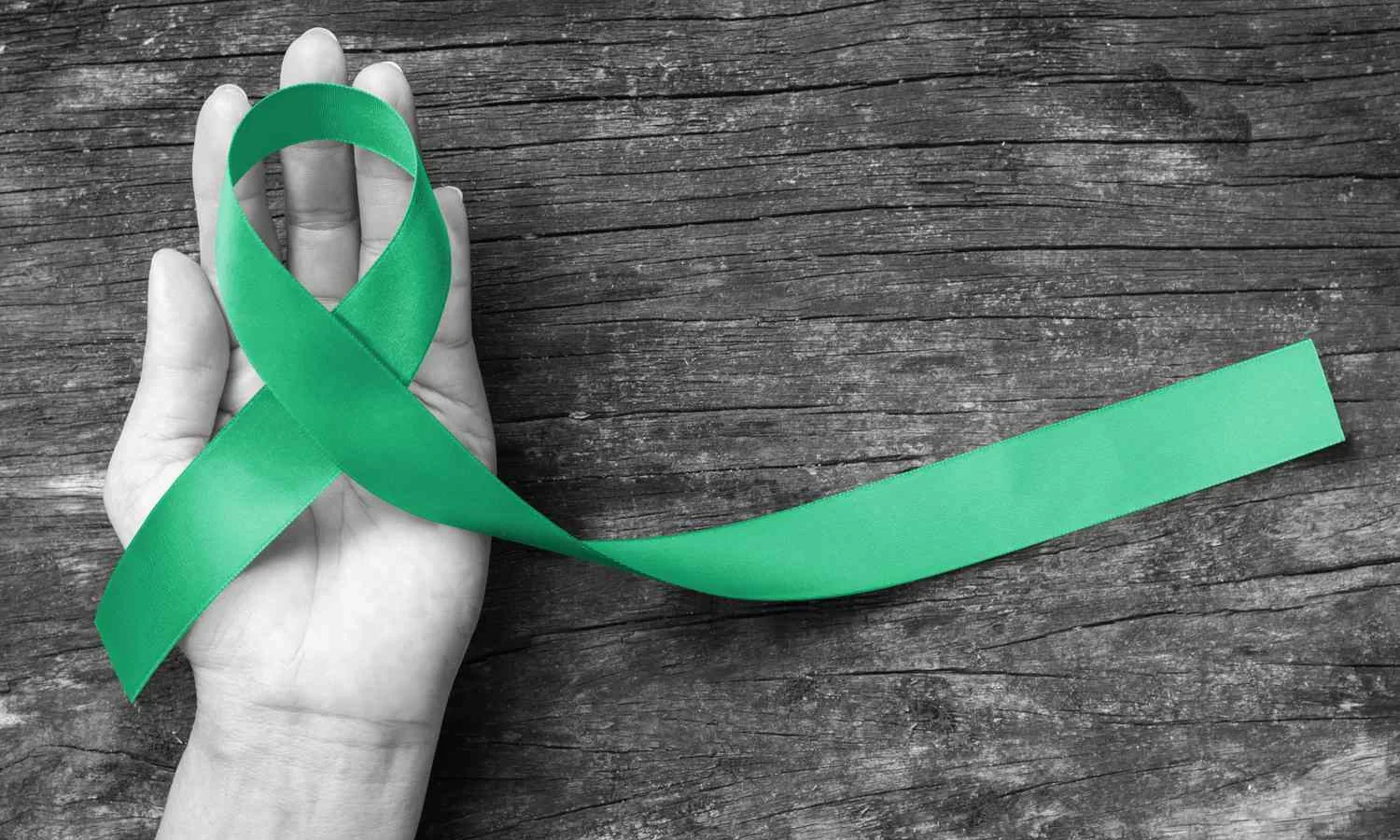
green_ribbon_bile_duct_cancer-338fe7e610524ebbb27877b9ed460b95

Understanding the Silent Threat: Gallbladder and Bile Duct Cancer

green_ribbon_bile_duct_cancer-338fe7e610524ebbb27877b9ed460b95

Introduction to Gallbladder and Bile Duct Cancer

Gallbladder and bile duct cancer, also known as biliary tract cancer, is a rare and aggressive form of cancer that affects the gallbladder and the bile ducts. These cancers typically develop in the cells lining the inner walls of these organs and can cause a range of symptoms and complications. Understanding the causes, risk factors, signs, diagnosis, treatment options, and prognosis of gallbladder and bile duct cancer is crucial for early detection, effective management, and improved outcomes. This article provides an overview of these key aspects, as well as insights into supportive care, prevention strategies, and the importance of early detection in battling this challenging disease.

Understanding Gallbladder and Bile Duct Cancer

Today, we’re diving into the world of gallbladder and bile duct cancer. Now, I know cancer isn’t exactly a topic that brings a smile to your face, but fear not! We’ll break it down into bite-sized pieces and make it as easy to understand as possible.

Gallbladder and bile duct cancer, also known as cholangiocarcinoma, is a type of cancer that affects the gallbladder or the bile ducts. The gallbladder is a small organ located beneath the liver, responsible for storing bile produced by the liver. The bile ducts, on the other hand, are the tubes that carry bile from the liver to the small intestine. While gallbladder and bile duct cancer are not as common as some other types of cancer, they can still have a significant impact on a person’s health. Understanding the causes, symptoms, and diagnosis of this cancer is crucial for early detection and effective treatment.

Causes and Risk Factors of Gallbladder and Bile Duct Cancer

Potential Causes of Gallbladder and Bile Duct Cancer.
Identifying Risk Factors

Now, let’s talk about what could potentially cause gallbladder and bile duct cancer. It’s a complex topic, so bear with me!
While the exact causes of this cancer are not yet fully understood, there are some factors that might increase the risk. These include:

1. Age: Gallbladder and bile duct cancer is more common in older adults, with the risk increasing as we age.

2. Gender: Men are slightly more prone to developing this cancer than women, but both genders can be affected.


3. Chronic inflammation: Conditions like chronic bile duct inflammation or gallstones can increase the risk of developing gallbladder and bile duct cancer.

4. Primary sclerosing cholangitis (PSC): PSC is a chronic liver disease that causes inflammation and scarring of the bile ducts, putting individuals at a higher risk for developing cancer.

Remember, these factors don’t guarantee you’ll develop the cancer, but they can increase the likelihood. If you’re concerned about your risk, it’s always best to consult with a healthcare professional.

Signs and Symptoms of Gallbladder and Bile Duct Cancer

Early Warning Signs & Advanced Symptoms

Alright, let’s look at the signs and symptoms of gallbladder and bile duct cancer. Early detection is crucial, so keep an eye out for these warning signs:

1. Abdominal pain: It can range from mild discomfort to severe pain, usually located in the upper right side of the abdomen.

2. Jaundice: A yellowing of the skin and eyes due to a buildup of bilirubin, a yellow pigment produced by the liver. You might also notice dark urine or pale stools.

3. Unexplained weight loss: If you haven’t been trying to shed those extra pounds but notice a significant weight loss, it’s worth investigating.

4. Fatigue: Feeling tired and weak, even with enough rest, can be a symptom of gallbladder and bile duct cancer.

As the cancer progresses, more advanced symptoms may appear, such as nausea, vomiting, itching, and an enlarged gallbladder or liver. Remember, these symptoms can also be indicative of other conditions, so it’s essential to consult a healthcare professional for an accurate diagnosis.

Diagnosis and Staging of Gallbladder and Bile Duct Cancer

Okay, let’s get down to the nitty-gritty of diagnosing gallbladder and bile duct cancer. Your doctor may order a variety of tests and procedures to confirm the presence of cancer, such as:

1. Imaging tests: CT scans, MRIs, and ultrasounds can provide detailed images of the gallbladder and bile ducts, helping to identify any abnormalities.

2. Blood tests: Measuring levels of certain substances in the blood, such as liver enzymes and bilirubin, can provide insights into the health of the liver and bile ducts.

3. Biopsy: A tissue sample may be taken from the suspected area and examined under a microscope to determine if cancer cells are present.

Once the cancer is confirmed, it is then staged to determine how far it has progressed. The staging process helps guide treatment decisions:

– Stage 0: Considered non-invasive, with cancer cells confined only to the innermost layer of the gallbladder or bile ducts.
– Stage I-IV: As the stages progress, the cancer spreads further into nearby tissues and organs, potentially including lymph nodes and distant sites in the body.

Remember, every cancer journey is unique, so get connected with Panaceiaso, as we will guide you through the diagnosis and staging process with a help of an expert practitioner. Remember, knowledge is power, and understanding this condition is a step towards better healthcare.

Treatment Options for Gallbladder and Bile Duct Cancer

Surgical Interventions: When it comes to treating gallbladder and bile duct cancer, surgery is often the first line of defense. Surgeons may perform procedures like cholecystectomy (removal of the gallbladder) or hepatectomy (removal of part of the liver). It’s like removing those pesky weeds from your garden, but instead, it’s getting rid of cancerous cells.

Chemotherapy and Radiation Therapy: Chemotherapy and radiation therapy are like Batman and Robin, a dynamic duo fighting against cancer. Chemotherapy uses powerful drugs to destroy cancer cells throughout the body, while radiation therapy uses targeted radiation beams to kill cancer cells in a specific area. They may not have fancy capes, but they sure are effective in fighting the villain of gallbladder and bile duct cancer.

Targeted Therapies: Targeted therapies are the cool kids on the block. They use specific drugs or other substances to target cancer cells directly, without harming healthy cells. It’s like a sniper aiming for the bullseye. These therapies can block the growth of cancer cells or stop the signals that allow them to multiply. It’s precision medicine at its finest.

Management and Supportive Care for Gallbladder and Bile Duct Cancer

Palliative Care: It is like having a supportive friend by your side during tough times. It focuses on providing comfort and improving the quality of life for patients with gallbladder and bile duct cancer. It helps manage pain, relieves symptoms, and supports emotional well-being. It’s like a warm hug when you need it the most.

Diet and Nutrition: You are what you eat, right? Well, when it comes to gallbladder and bile duct cancer, maintaining a healthy diet is crucial. Eating a balanced diet rich in fruits, veggies, whole grains, and lean proteins can help support your body while undergoing treatment. It’s like giving your body the right fuel to fight against cancer.

Managing Side Effects of Treatment: Treatment can sometimes bring unwanted side effects, like fatigue, nausea, or hair loss. But fear not! There are ways to manage these side effects. Medications, lifestyle changes, and support from healthcare professionals can make the journey a little less bumpy. It’s like having your own personal cheerleader, helping you through every step.

Prognosis and Survival Rates of Gallbladder and Bile Duct Cancer

Factors Influencing Prognosis: Prognosis is like a crystal ball trying to predict the future. Many factors can influence the prognosis of gallbladder and bile duct cancer, including the stage of the cancer, the patient’s overall health, and how well they respond to treatment. It’s like a complicated equation with multiple variables, but doctors use these factors to estimate the outcome.

Survival Rates and Statistics: Survival rates and statistics are like those school report cards. They give us an idea of how patients with gallbladder and bile duct cancer are faring. Survival rates vary depending on the stage of the cancer, but advancements in treatment options have improved outcomes over the years. It’s like seeing progress in a subject you once struggled with.

Prevention & Early Detection Strategies for Gallbladder and Bile Duct Cancer

Lifestyle Modifications and Risk Reduction: Prevention is better than cure, they say. Making healthy lifestyle choices, such as maintaining a balanced diet, exercising regularly, and avoiding tobacco and excessive alcohol use, can help reduce the risk of gallbladder and bile duct cancer. It’s like putting on sunscreen to protect your skin from harmful rays.

Screening and Early Detection Measures Early detection is the superhero that can save the day. Regular check-ups, screenings, and imaging tests can help detect gallbladder and bile duct cancer at an early stage when treatment options are more effective. It’s like catching the bad guy before they wreak havoc. So don’t skip those routine appointments, they could be lifesavers!

In conclusion, gallbladder and bile duct cancer pose significant challenges and require comprehensive understanding and management. With advancements in diagnostic techniques, treatment options, and supportive care, there is hope for improved outcomes and enhanced quality of life for individuals affected by this disease. By raising awareness, promoting early detection, and supporting ongoing research, we can strive towards better prevention strategies and more effective treatments. It is crucial to continue spreading knowledge about gallbladder and bile duct cancer to support patients, caregivers, and healthcare professionals in their fight against this formidable illness.

Unmasking Intimacy: Embracing the Journey of Erectile Dysfunction

We invite you to join us on a journey of self-discovery, empowerment, and intimacy as we explore the world of erectile dysfunction (ED). Our aim is to transform the conversation around ED, taking a holistic and imaginative approach to inspire and support individuals facing this condition. Get ready to unlock your potential and discover new ways to embrace intimacy with confidence and creativity.

Erectile dysfunction (ED) is a common condition, particularly among older men. According to the Massachusetts Male Aging Study, approximately 52% of men between the ages of 40 and 70 experience some degree of ED. The prevalence increases with age, with the condition affecting around 70% of men aged 70 and above.

ED affects men worldwide and can have a significant impact on individuals and relationships. Cultural and socioeconomic factors may influence the prevalence and perception of ED in different regions. It is considered a global health issue, impacting quality of life and overall well-being. Several risk factors contribute to the development of ED, including age, chronic health conditions, lifestyle choices, psychological factors, and medication use. Common underlying conditions associated with ED include cardiovascular disease, diabetes, obesity, hypertension, hormonal imbalances, and neurological disorders.


The Art of Communication: Communication lies at the heart of every meaningful relationship. We’ll delve into the importance of open, honest, and compassionate communication when discussing erectile dysfunction with partners, healthcare providers, and even within ourselves. We’ll explore creative ways to initiate conversations, express desires, and build stronger connections, fostering an environment of understanding and support.

Sensual Wellness, Engaging the Senses: Intimacy encompasses more than just physicality. We’ll explore the power of engaging all our senses to heighten pleasure and strengthen the connection between partners. From scented candles and massage oils to delectable aphrodisiac recipes and romantic playlists, we’ll ignite your imagination and encourage you to create memorable moments of intimacy.

Exploring Erotic Adventures: Living with ED doesn’t mean sacrificing excitement and adventure in the bedroom. We’ll dive into the realm of erotic exploration and invite you to embrace new experiences and fantasies. We’ll discuss role-playing, sensual games, adult toys, and other tools that can add a dash of excitement and ignite the flames of passion.

Embracing Emotional Intimacy: Intimacy is more than just physical; it’s about connecting on a deeper emotional level. We’ll explore strategies for cultivating emotional intimacy, including active listening, empathy, vulnerability, and the power of shared experiences. By nurturing emotional bonds, we can strengthen relationships and create a safe space for both partners to navigate the challenges of ED together.

Intimacy Beyond the Bedroom: True intimacy extends beyond the confines of the bedroom. We’ll explore how couples can strengthen their bond through shared activities, such as traveling, cooking together, dancing, or engaging in hobbies. We’ll provide creative ideas to reignite the spark and bring joy and connection into all aspects of life.

 Mindfulness and Self-Care: Self-care is essential for overall well-being, including sexual health. We’ll delve into mindfulness practices and stress-reduction techniques that can enhance relaxation, boost self-confidence, and improve sexual experiences. Through guided meditations, breathing exercises, and self-reflection, we’ll encourage individuals to prioritize their own well-being and embrace self-love.

Celebrating Diversity and Body Positivity: In a world that often promotes unrealistic standards of beauty and performance, we’ll celebrate diversity and body positivity. We’ll emphasize that beauty comes in all shapes, sizes, and abilities, and explore how embracing our bodies can enhance self-esteem and foster intimacy. Let’s break free from societal expectations and embrace our unique selves.

Erectile dysfunction is a part of life for many individuals, but it doesn’t define who we are or hinder our ability to experience fulfilling intimacy. Through creativity, communication, and a commitment to self-care, we can overcome challenges and cultivate vibrant and fulfilling connections. Join us on this extraordinary journey as we celebrate intimacy, explore new horizons, and unmask the true potential of relationships impacted by ED. Together, let’s paint a canvas of love, pleasure, and unbounded creativity.

Unravelling the Mystery of Thyroid: A Journey into Your Body’s Energy Commander

Nestled within your neck lies a powerful force responsible for orchestrating your body’s energy levels and overall well-being. The thyroid gland, resembling a delicate butterfly, holds the key to metabolism, growth, and countless bodily functions. Join us on this captivating exploration of thyroid health, as we delve into the enigmatic world of thyroid disorders, their elusive symptoms, diagnostic methods, and innovative treatments.

 The Thyroid Gland: A Metabolic Maestro

Picture the thyroid gland as a conductor in an intricate symphony. This small, but mighty, gland releases hormones that act as messengers, regulating metabolism, body temperature, and organ function. The harmonious interplay between the thyroid gland, hypothalamus, and pituitary gland forms the symphony known as the hypothalamic-pituitary-thyroid axis.

Unveiling the Thyroid’s Secret: Common Disorders Revealed

Hypothyroidism: When the thyroid gland falls into a slumber, it can lead to hypothyroidism. This condition manifests as a sluggish metabolism, fatigue, weight gain, persistent sadness, constipation, and parched skin—often leaving individuals feeling like they’re slogging through a foggy landscape.

Hyperthyroidism: In a dramatic twist, hyperthyroidism pushes the gas pedal to the floor. The thyroid gland goes into overdrive, causing a surge in metabolism. Symptoms include unexplained weight loss, a racing heartbeat, jitters, irritability, and intolerance to heat- creating a sense of living in a perpetual sprint.

Thyroiditis: Enter the villainous inflammation that can disrupt the thyroid’s balance. Autoimmune disorders or viral infections may spark thyroiditis, setting off a tumultuous chain reaction. Initially, hyperthyroid symptoms may arise, followed by a descent into hypothyroidism.

Unraveling the Clues: Symptoms and Diagnostic Adventures

Detecting thyroid disorders can be akin to solving a captivating mystery. Symptoms often intertwine, perplexing both individuals and healthcare professionals. To shed light on the enigma, blood tests to measure hormone levels (TSH, T3, T4), ultrasound imaging, and thyroid scans play the role of trusty detectives.

Medication: For those with hypothyroidism, synthetic thyroid hormone replacement therapy offers a lifeline, restoring balance to the body. Hyperthyroidism can be managed through anti-thyroid medications or the intriguing concept of radioactive iodine therapy, which tames the thyroid’s wild energy.

Surgical Adventure: In certain cases, the journey may take a surgical turn. Thyroidectomy, the removal of all or part of the thyroid gland, becomes necessary to thwart thyroid cancer or manage large goiters—signaling a daring expedition into the world of surgery.

Embracing the Radiance: Navigating Lifestyle for Thyroid Health : Beyond medical interventions, embracing a vibrant lifestyle can boost thyroid health. Nourishing your body with a balanced diet, rich in iodine and selenium, becomes an act of self-care. Managing stress levels, engaging in regular exercise, and embracing rejuvenating sleep form the pillars of a vibrant existence.

Pregnancy and Beyond WithinWithin the realm of pregnancy, the thyroid’s tale takes on new dimensions. Its influence on fetal development and pregnancy outcomes becomes a riveting saga. Regular monitoring of thyroid function during pregnancy becomes imperative, ensuring appropriate adjustments to treatments to foster a flourishing journey.


Embarking on a journey through the intricate world of thyroid health unveils the fascinating interplay between a small gland and our overall well-being. By unraveling the mysteries of common thyroid disorders, recognizing their symptoms, exploring diagnostic methods, and embracing innovative treatments, we empower ourselves to navigate the path toward optimal health. Remember, the thyroid gland is a captivating protagonist in the grand story of your body—by understanding its complexities, we can embark on a transformative adventure toward a vibrant and fulfilling life.

Illuminating the Path: Rediscovering Wholeness Amid Postpartum Depression Turbulence

Welcoming a new life into the world is an awe-inspiring experience, but it can also bring unexpected challenges. Amidst the often-glorified narrative of motherhood, lies the untold story of postpartum depression. In this modern age, we strive to shed light on this raw and authentic journey, encouraging women to embrace their struggles, seek support, and embark on a path of self-discovery and healing. Postpartum depression (PPD) is a complex emotional struggle that some women experience after giving birth. It is a deeply personal and challenging journey characterized by a range of feelings including sadness, anxiety, and exhaustion. PPD can make it difficult for a mother to take care of herself and her baby, impacting her overall well-being.

Postpartum depression is not a weakness, nor a flaw in character; it is a natural response to the immense physical, hormonal, and emotional changes that follow childbirth. We must break free from the stigma surrounding it and foster a culture of empathy, understanding, and acceptance. By acknowledging the shadows, we empower women to step into the light and reclaim their well-being.

Postpartum depression can manifest in various ways, making it essential to recognize its diverse symptoms. While sadness and anxiety are common, we must also acknowledge other signs such as irritability, loss of interest, sleep disturbances, and a sense of detachment from the newborn. Embracing authenticity means allowing ourselves to acknowledge and express our emotions truthfully. The causes of postpartum depression are multifaceted and not yet fully understood. While hormonal changes after childbirth, such as a sudden drop in estrogen and progesterone levels, play a role, other factors also contribute. Each woman’s experience with PPD is unique, and the reasons behind it may vary.

The path to recovery begins with reaching out for help. In this digital age, resources are at our fingertips. We can connect with mental health professionals, online support communities, and helplines that specialize in postpartum depression. By seeking guidance, we gain insights, coping strategies, and the reassurance that we are not alone on this journey. Self-care is a powerful flame that must be kindled during the postpartum journey. Mothers need to honor their own needs and well-being. It may be as simple as stealing moments for self-reflection, engaging in activities that bring joy, or prioritizing physical health through exercise and nutrition. By nurturing their inner flame, mothers can radiate warmth and resilience to themselves and their babies.

The support of loved ones can be an anchor during this turbulent time. Partners, family, and friends play a vital role in creating a safe space for open dialogue, compassion, and understanding. By sharing their experiences, mothers can break through isolation, receive empathy, and forge supportive bonds that encourage healing and growth.

In a world driven by social media, we have the power to amplify our voices and stories. By sharing our personal experiences with postpartum depression, we uplift others who may be silently struggling. We dispel the myth of perfection, replacing it with authenticity and vulnerability. Together, we create a community where every voice is valued, heard, and embraced.  Postpartum depression is an integral part of the motherhood narrative that deserves recognition and understanding. By shifting societal attitudes, fostering empathy, and providing accessible resources, we can empower women to reclaim their light amidst the shadows. Through self-compassion, professional guidance, and a network of support, mothers can emerge stronger, more self-aware, and equipped with the tools to navigate future challenges. Let us walk hand in hand, supporting and guiding one another, as we rediscover wholeness, strength, and joy on the path of postpartum healing.