Alzheimer’s Disease: Understanding, Managing, and Finding Hope

Introduction

Alzheimer’s disease isn’t just about memory loss—it changes how people think, act, and connect to the world. At Panaceiaso, we believe in blending medical awareness, holistic wellness, and compassionate care to bring dignity, hope, and empowerment to those living with Alzheimer’s and their families.

This blog is your in-depth, reader-friendly guide to understanding Alzheimer’s disease: what it is, how it progresses, treatment options, and practical lifestyle strategies to reduce risk and live well for longer.

What Is Alzheimer’s Disease?

Alzheimer’s disease (pronounced alz-HAI-mers) is a neurodegenerative condition, meaning it damages and eventually destroys brain cells. The disease gradually reduces critical abilities such as memory, communication, reasoning, and planning.

    • Affects 24 million people worldwide.
    • Risk increases sharply with age (10% of those over 65; nearly 1 in 3 over age 85).
    • Leads to dementia in most cases.

It begins silently, years before symptoms appear, which is why awareness and preventive care are vital.

Symptoms of Alzheimer’s Disease

Alzheimer’s disease affects everyone differently. But in general, it can weaken or completely eliminate your:

    • Memory
    • Reasoning
    • Language
    • Behavior and personality
    • Spatial understanding

People with memory loss or other Alzheimer’s symptoms may have difficulty recognizing changes in their own mind and body. These signs may be more obvious to loved ones.

Symptoms will get noticeably worse over time (a progressive decline). See a healthcare provider right away if you or a loved one have any dementia-like symptoms.

    • Memory Loss
      • Forgetting names and faces
      • Losing track of time, place, or events
      • Difficulty recalling recent activities
    • Reasoning and Judgment Issues
      • Confusion when making simple decisions
      • Difficulty following instructions or recipes
      • Struggles with planning or organizing tasks
    • Language Difficulties
      • Forgetting familiar words
      • Reverting to native childhood language
      • Speaking less or misusing words
    • Behavioral Changes
      • Mood swings, irritability, paranoia
      • Increased suspicion or agitation
      • Social withdrawal
    • Reduced Spatial Awareness
      • Difficulty judging distances
      • Clumsiness, bumping into objects
      • Struggles with delicate activities like handwriting
What causes Alzheimer’s disease?

Alzheimer’s disease begins quietly, deep within the brain, long before symptoms appear. The culprit? An abnormal build-up of two proteins – amyloid and tau – that disrupt the very foundation of how your brain functions. Your brain is made up of billions of nerve cells called neurons, the remarkable messengers that allow you to think, learn, remember, and plan. These neurons depend on clear communication through electrical and chemical signals. Alzheimer’s interferes with this harmony.

Amyloid proteins clump together inside the brain, forming sticky plaques that crowd and damage neurons. At the same time, tau proteins twist into tangled strands known as neurofibrillary tangles. Together, these plaques and tangles choke the life out of neurons, blocking their ability to transmit vital signals. Over time, the damage spreads. Neurons begin to die off, and with them, essential brain functions slowly fade.

The earliest damage often strikes the hippocampus, the area of the brain responsible for memory. This explains why memory loss is often the first and most recognizable symptom. As more and more neurons are lost, the effects ripple outward to other parts of the brain, impairing reasoning, thinking, language, and even the ability to carry out daily activities.

Researchers believe this destructive process begins quietly, possibly a decade before symptoms even surface. While the exact cause behind amyloid and tau build-up is still under investigation, one thing is clear: Alzheimer’s disease is a slow-moving but relentless condition that reshapes the brain, neuron by neuron.

Is Alzheimer’s disease hereditary?

Alzheimer’s disease can run in families, making genetics an important factor in your risk. If a parent or sibling has Alzheimer’s, your chance of developing the disease increases by 10% to 30%. This risk triples if two or more biological siblings are affected. A key gene linked to Alzheimer’s is the APOE ε4 gene, which raises both the likelihood of developing the condition and the chance of an earlier onset. However, carrying the APOE ε4 gene doesn’t guarantee Alzheimer’s; it’s just one piece of a complex puzzle. Other factors, including lifestyle and environment, also play a role. Genetic risk highlights the importance of awareness and early monitoring, especially if Alzheimer’s runs in your family.

This deeper understanding helps guide prevention efforts and research into personalized treatments for those with a genetic predisposition to Alzheimer’s disease.

Researchers don’t know why some people get Alzheimer’s disease and others don’t. Some risk factors may include:

    • Being Black or Latino
    • Environmental factors (something about where you live, work or spend a lot of time)
    • Genetic changes
    • Having a traumatic brain injury
    • Smoking
    • Your age (AD usually affects people older than 65)
    • Your overall health

Some health conditions may increase your Alzheimer’s risk, including:

    • Cardiovascular disease
    • Diabetes
    • Down syndrome caused by trisomy 21
    • High blood pressure
    • High cholesterol
    • Obesity
What are the complications of Alzheimer’s disease?

The biggest complication of Alzheimer’s disease is the damage it does to your brain. That can cause permanent changes to your ability to think, to use your body and to your personality. As the condition progresses, you’re likely to experience complications, some of which can be fatal.

Complications can include:

    • An overall decline in physical health
    • Infections (like pneumonia or skin infections)
    • Seizures
    • Trouble breathing
    • Trouble swallowing

You may lose your ability to control your body. This can increase your risk of:

    • Bedsores
    • Dehydration or malnutrition
    • Falls, bone fractures and other traumatic injuries
    • Losing control of your pee (urinary incontinence) and poop (bowel incontinence)
    • Tooth decay, cavities and other dental issues
Diagnosis and Tests

How is Alzheimer’s disease diagnosed?

Healthcare providers diagnose Alzheimer’s disease in a few ways. The first step is discussing your current health and medical history.

Your provider will talk to you and your loved ones. They’ll ask you questions to understand your health and daily routine. Tell your provider if you know you have any risk factors for Alzheimer’s disease.

Your provider will ask your loved ones if they’ve noticed any symptoms or changes you might not be able to see in yourself. They might ask about your:

    • Ability to do your usual activities
    • Changes in your mood, behavior and personality
    • Current medications
    • Medical history
    • Overall health

Your provider will also give you a complete physical exam and neurological exam. They’ll rule out other conditions that cause similar memory issues and other symptoms.

Your provider will also use a few tests, including:

    • Blood tests
    • Brain MRI
    • Cognitive tests
    • CT scan
    • PET scan
    • Psychiatric and mental health evaluations
    • Urine tests

These tests can help your provider look for signs of amyloid proteins and see if they have damaged your brain.

Your provider will work with you and your loved ones to develop a treatment plan that fits your unique needs. They’ll help you set realistic goals for your short-term health and long-term outlook.

Treatment and Management

What are Alzheimer’s disease treatments?

There’s no cure for Alzheimer’s, but starting treatment early is key to maintaining brain health and slowing dementia’s progression. Providers recommend a personalized mix of medications tailored to each individual’s unique needs. These treatments focus on managing symptoms as they arise and helping preserve daily functioning for as long as possible. While current therapies cannot stop or reverse Alzheimer’s, they can provide meaningful symptom relief and slow decline. Ongoing research and new drugs continue to explore ways to better control the disease, making early intervention the most effective strategy available today.  You might need:

Cholinesterase inhibitors

These medications block an enzyme that can speed up how quickly Alzheimer’s damages your brain. They can improve some memory problems and reduce your risk of behavior changes. Your provider might prescribe:

    • Donepezil
    • Galantamine
    • Rivastigmine

Clinical trials

Scientists are always researching Alzheimer’s disease and possible treatments. Ask your provider if there are any clinical trials that could help you. Clinical trials are tests or research studies done using human volunteers who have a condition or issue. A trial might help you try new treatments that aren’t widely available yet.

There may be more opportunities to participate in clinical trials the sooner you’re diagnosed.

Lecanemab or donanemab
Lecanemab and donanemab are intravenous monoclonal antibody infusions that help the immune system target amyloid proteins in the brain. Lecanemab stops amyloid fibers from clustering, while donanemab clears already-formed plaques. Though neither cures Alzheimer’s or reverses damage, they slow disease progression by reducing harmful amyloid buildup.

NMDA antagonists

If you have Alzheimer’s, your body makes too much glutamate, which damages your brain’s cells. NMDA antagonists block or fill up the N-methyl-D-aspartate (NMDA) receptors glutamate binds to in your brain. This can slow down how fast Alzheimer’s progresses.

Memantine is a common NMDA antagonist. Your provider may suggest others depending on your health and which stage of Alzheimer’s disease you have.

Symptom-management medications

Your provider will suggest medications or other treatments to manage specific symptoms as they develop. You may need:

  • Antidepressants. These drugs can treat anxiety, restlessness, mood swings and depression.
  • Antipsychotics (neuroleptics). These drugs can treat paranoia, hallucinations and agitation.
  • Antiseizure medications. These medications can also sometimes treat mood changes.

Prognosis

What is the life expectancy?

Alzheimer’s disease affects everyone uniquely. For most people over 65, life expectancy after diagnosis ranges from four to eight years, although some diagnosed before 65 may live for decades. It’s important to have open conversations with your healthcare provider about managing life with Alzheimer’s, setting realistic goals, and planning for care options like hospice when appropriate. Emotional support is vital, as stress and anxiety are common among those with Alzheimer’s and their families, especially soon after diagnosis. Consulting a mental health professional can help process these feelings and provide valuable coping strategies for the journey ahead. Embracing these supports can improve quality of life for both individuals with Alzheimer’s and their loved ones.

Prevention Tips – Protecting Brain Health

How can you prevent Alzheimer’s disease?

While some Alzheimer’s risk factors – like age and genetics-are beyond control, many others can be managed to help protect your brain. Maintaining overall health is essential to reducing cognitive decline.
Following a nutritious eating plan, such as the Mediterranean or DASH diet, supports brain well-being.
Staying physically active through walking, gardening, or biking boosts blood flow and oxygen to your brain, enhancing neuron health.
Keeping mentally engaged by reading, playing games, or learning new skills challenges your brain and promotes resilience.
 Social connections are equally important – regular interaction with loved ones or community groups keeps your brain stimulated and emotional well-being strong.

If Alzheimer’s runs in your family, consult your healthcare provider about genetic testing to assess your risk. Combining these lifestyle habits with professional advice empowers you to take proactive steps toward preserving brain health and lowering the risk of Alzheimer’s disease. These changes, though not guarantees, significantly contribute to healthier cognitive aging.

Living With Alzheimer’s

Living with AD needs patience, planning, and support.

For patients:

  • Build daily structure and routines
  • Reduce risks in the home (remove tripping hazards)
  • Join wellness programs, cognitive therapy, or support groups

For caregivers:

  • Learn stress-management techniques
  • Join caregiver communities (online or offline)
  • Seek respite care or professional support when needed
  • Remember: caregiver burnout is real – take care of yourself too


A Human Note from Panaceiaso
Alzheimer’s disease can be overwhelming, making time feel like it’s standing still or rushing by all at once. There’s no right or wrong way to live with this condition – each journey is unique. Whether you’re living with Alzheimer’s or caring for someone who is, Panaceiaso is there to support you every step of the way. Beyond suggesting treatments and clinical trials, we will answer your questions, guide you through what to expect, and connect you to valuable resources. Emotional ups and downs are normal, and professionals can help you navigate these feelings. Remember, you are not alone – Panaceiaso is always available to help you and your loved ones face Alzheimer’s with understanding, compassion, and hope.

healthy vs smokers lungs

World Lung Cancer Day 2025: United for Awareness, Prevention and Early Detection

Lung Cancer: An overview

Lung cancer is the second most common cancer (excluding skin care ) in men and women in the United States, but it is by far the leading cause of cancer deaths. More than 500,000 Indians live with lung cancer and 111,000 new cases are diagnosed annually, causing 09 percent of cancer deaths. In fact, lung cancer accounts for more deaths than colon, prostate, and breast cancers combined.

First, a brief anatomy lesson on your lungs. These cone-shaped, spongy organs are a driving force of your respiratory system. Your lungs are composed of lobes (which funnel oxygen to your blood and release carbon dioxide from your body), bronchi (the main airways extending from your windpipe), bronchioles (tiny extensions of your bronchi), and alveoli (tiny air sacs at the end of your bronchioles).

Lung cancer forms when abnormal cells in the lungs start to grow rapidly out of control. These cells—which typically start in the lining of the bronchi, bronchioles, or alveoli—can develop into a tumor and spread (or metastasize) to other parts of the body, such as your bones or brain.

Most people are diagnosed with lung cancer when they are older, between the ages of 65 and 74, but the disease can still develop in those younger than 45. While lung cancer is more common in men, an estimated 1 in 17 women will get lung cancer at some point in their lives. People who smoke also have a much greater risk of developing lung cancer compared to those who have never smoked. Diagnosing lung cancer at its earliest stage is key for effective treatment, but symptoms often appear during a more advanced stage of the disease.

What are the types of lung cancer?

There are two main types of lung cancer: non-small cell lung cancer (the most common form of lung cancer) and small cell lung cancer (a less common but more aggressive type of lung cancer).

    • Non-small cell lung cancer (NSCLC)
      Non-small cell lung cancer accounts for about 85 percent of lung cancer cases. NSCLC is an umbrella term for several subtypes of lung cancer, but they are often referred to as one group because they have similar treatments.
    • Adenocarcinoma
      Mainly occurring in smokers, adenocarcinomas start in young cells that produce substances like mucus, usually forming on the outer areas of the lung. They make up 40 percent of lung cancers, affect more women than men, and often grow slowly.
    • Squamous cell (epidermoid) carcinoma
      This type of NSCLC begins in young squamous cells that make up the inner lining of your airways. Accounting for 25 to 30 percent of lung cancers, squamous cell carcinomas often pop up toward the center of the lungs near the bronchus (a major air passage).
    • Large cell (undifferentiated) carcinoma
      Appearing throughout various parts of the lung, large cell carcinomas tend to grow and spread aggressively, so they are difficult to treat. They make up 10 to 15 percent of lung cancers.
    • Adenosquamous carcinoma
      This rare form of NSCLC only makes up an estimated 0.4 to 4 percent of all lung carcinomas and includes components of both adenocarcinoma and squamous cell carcinoma. It mainly affects older men who have a history of smoking and tends to be difficult to treat.
    • Sarcomatoid carcinoma
      This extremely rare NSCLC only accounts for 0.1 to 0.4 percent of lung cancers. These large tumors affect the central airways of the lungs or the outer portion of the chest wall. Most commonly impacting older men and smokers, sarcomatoid carcinomas have a poor prognosis- a 5-year survival rate of only 20 percent.
    • Carcinoid tumors
      These tumors-which make up only 1 to 2 percent of lung cancers-are made up of neuroendocrine cells (cells in the lung that aids in air and blood flow control, growth of other lung cells, and oxygen detection), grow more slowly than other types of lung cancer, and don’t tend to spread. They can form near the center or outer portion of the lungs.
    • Small cell lung cancer
      Small cell lung cancer is also called oat cell cancer and makes up 10 to 15 percent of lung cancers. These larger tumors typically spread faster than NSCLC and are more common in heavy smokers. Small cell lung cancer commonly begins within the airways in the middle of the chest.
What causes lung cancer?

An estimated 80 to 90 percent of all lung cancer deaths are attributed to smoking tobacco, and the number is even higher for small cell lung cancers specifically. Still, various factors may increase your risk of lung cancer.

    • Smoking : Smokers are 15 to 30 times more likely to get lung cancer than nonsmokers. Cigarettes, low-tar or “light” cigarettes, cigars, and pipes all cause lung cancer. Quitting smoking reduces your risk, no matter your age.
    • Radon : This naturally occurring gas is the second leading cause of lung cancer in the US and the leading cause among nonsmokers, accounting for 20,000 cases of lung cancer annually. You cannot smell, taste, or see radon, which can build up inside homes.
    • Secondhand smoke : Even if you never smoke, inhaling secondhand smoke can increase your risk of lung cancer. Experts attribute about 7,300 lung cancer deaths annually to secondhand smoke.
    • Asbestos and other carcinogens : Workers exposed to asbestos, uranium, arsenic, diesel exhaust, and other cancer-causing substances have greater risk of developing lung cancer. This is particularly true if you also smoke.
    • Air pollution : Outdoor air pollution has been linked to 29 percent of all deaths and disease from lung cancer globally. This may be due to various particles thrown into the air, such as acids, chemicals, metals, soil, and dust, which can wiggle their way deep into the lungs.
    • Family history : Having a parent, sibling, or child who has been diagnosed with lung cancer increases your risk of the disease. It is unclear if this link is due to secondhand smoke exposure or shared genes, but researchers speculate both may play a role.
What are the symptoms of lung cancer?

Lung cancer often presents no symptoms until the disease reaches a more advanced, harder-to-treat stage. If you experience any of the following symptoms and they do not go away, see your doctor whether or not you smoke, used to smoke, or have never smoked.

    • Coughing that doesn’t go away and/or worsens
    • Coughing up blood or rust-colored spit
    • Chest pain that often worsens with deep breathing
    • Chronic infections, such as bronchitis or pneumonia
    • Hoarseness
    • Shortness of breath
    • Overwhelming fatigue
    • Unexplained weight loss
    • Swelling in the neck or face
    • Bone or joint pain
How is lung cancer diagnosed?

You should ask your doctor about a lung cancer screening if you are a smoker or have smoked in the past, if you are a nonsmoker who has significant secondhand smoke exposure, or if you have family members with minimal or no smoking history who have developed lung cancer.

However, doctors recommends yearly screening tests-a low-dose CT scan-for people who fit the following high-risk criteria:

    • A history of smoking a pack of cigarettes a day for at least 30 years
    • Currently smoke or have quit smoking within the past 15 years
    • Aged between 55 and 80 years old

If you don’t qualify for screenings and see your doctor, be prepared to discuss your symptoms and medical history in detail. After a physical exam is performed to check for lumps or other unusual symptoms, one of the following tests may be recommended if he or she suspects lung cancer.

Chest X-ray
Your doctor will use an X-ray machine to create an image of the bones and organs inside your chest to detect abnormal masses in the lungs.

CT scans
Also known as CAT cans, this test can detect tumors missed by X-rays and show them in more detail by creating images on a computer.

Sputum cytology
Your doctor takes a sample of sputum, or the mucus you cough up from your lungs, and then examines it under a microscope to look for cancer cells. It’s best to do this test early in the morning for three consecutive days.

Biopsy

A biopsy can be performed in a few ways to collect a sample of lung cells.

    • Bronchoscopy: The doctor puts a long, thin tube down your throat and into your lungs to examine them or take a sample.
    • Mediastinoscopy: The surgeon makes a small incision in your middle neck, then inserts tools to collect a sample.
    • Needle biopsy: A needle is inserted through the chest wall to get the sample.

healthy vs smokers lungs

How is lung cancer treated?

Your doctor will determine your treatment options based on the type and stage of lung cancer, as well as your overall health. You may also decide that the risks of treatment outweigh the benefits and opt out of treatment. In that case, palliative care may still be beneficial. Treatment options may include:

Surgery
This option has the best chance to cure NSCLC and may also be used for early-stage small cell lung cancer. Varying amounts of tissue may be removed.

    • Segmentectomy or wedge resection: A small part of the lobe is removed.
    • Segmental resection: A larger portion but still not the entire lobe is removed.
    • Lobectomy: The entire lobe of one lung is removed (the right lung has three lobes, the left has two).
    • Pneumonectomy: The entire lung is removed.

The surgeon can also do a sleeve resection to remove a piece of the airway if the lung cancer is located there.

Chemotherapy
Chemo is given through oral or intravenous anti-cancer drugs. Depending on the type and stage of cancer, it may be used before or after surgery, with radiation therapy, or as the main treatment.

Radiation therapy
This option uses high-energy rays like X-rays to kill cancer cells. During the procedure, you lie on a table while a machine moves around you, emitting the rays at the targeted cells. Radiation may be used before or after surgery, with or after chemo, or as the main treatment.

Immunotherapy
Typically used for advanced lung cancer, these drugs stimulate your nervous system to fight the cancer.

Targeted drug therapy
These drugs target specific abnormalities in NSCLC cells and are most often used for advanced lung cancer.

Palliative care
Specific treatments to relieve shortness of breath and improve overall quality of life may be used alone or in conjunction with other treatments.

Alternative medicine
Treatments such as yoga, massage, meditation, acupuncture, and hypnosis cannot cure cancer, but may help relieve some symptoms, as well as pain and anxiety.

Lung cancer complications

Lung cancer can cause some complications, most often due to the fact that the tumor may block airways, cause fluid to build up around the lungs, and/or cause the airway to bleed. Complications include:

    • Shortness of breath due to blocked airways or fluid around the lungs
    • Coughing up blood from bleeding in the airway
    • Pain in the chest, lungs, or other parts of the body
    • Fluid in the chest
    • Metastasis (the cancer spreads to other body parts)

How to prevent lung cancer

Although you cannot control all of the risk factors for lung cancer, such as air pollution, there are things you can do to reduce your risk of developing the disease.

Don’t smoke If you never start, you never have to go through the difficult process of trying to quit.

Quit smoking However, no matter when you quit smoking, doing so reduces your risk of lung cancer. It can take several times to successfully squash the habit for good. Never give up!

Avoid secondhand smoke Seek out smoke-free environments and don’t allow friends or family members to smoke in your house or car.

Limit your exposure to carcinogens Be aware of cancer-causing chemicals (especially asbestos) at work and follow any employer’s or doctor’s direction to reduce your risk.

Eat lots of fruits and vegetables Fruits and vegetables are naturally full of nutrients that may fight cancer. Supplements that provide large doses of vitamins or minerals are not recommended, as some studies have found that beta-carotene supplements may increase the risk of lung cancer.

How Can We Stay United in the Fight Against Lung Cancer?

The fight against lung cancer is not limited to hospitals or research labs. Lasting change happens when more people take part—by spreading awareness, encouraging early checks, and supporting those affected. Small, everyday actions can create a stronger, more informed community.

Here are some simple ways to stay involved:

    • Talk openly about symptoms and risks: Honest conversations help reduce stigma and can prompt someone to seek medical advice sooner.
    • Encourage screening for those at higher risk: People with a history of smoking, exposure to pollution, or a family link may benefit from regular checks, even without symptoms.
    • Support efforts to reduce air pollution and second-hand smoke exposure: Cleaner environments help lower the risk for everyone.
    • Stand by those going through treatment: A few kind words, practical help, or simply showing up can make a real difference to someone’s emotional strength.
    • Share accurate information: Misinformation can delay diagnosis and harm trust. Sharing facts from trusted sources helps raise awareness the right way.
    • Get involved in awareness campaigns or fundraising efforts: Even small contributions, be it time, money, or skills, can support research, outreach, or patient services.

World Lung Cancer Day draws attention to a disease that often goes unnoticed until it’s too far along. It reminds us that even symptoms such as lingering cough or shortness of breath, should not be ignored. If someone is experiencing these symptoms for long or has known risk factors, reaching out for medical advice is a step that should not wait. At Panaceiaso, we bring world class doctors & specialists to guide you to the next steps with timely investigations and supportive care.


Sjögren’s Syndrome

Sjögren’s Syndrome and The Heart:

Unmasking a Hidden Connection

When you think of Sjögren’s syndrome, you probably picture dry eyes, dry mouth, and lingering fatigue. Yet, new evidence is shining a spotlight on a less discussed, but critically important, aspect of this autoimmune disease: its heightened risk of cardiovascular disease.

Why Should We Talk About the Heart in Sjögren’s?

The heart might not be the first organ on your mind when discussing Sjögren’s, but mounting research tells a different story. Recent studies suggest patients with Sjögren’s have up to a 1.3–1.5 times greater risk for developing major cardiovascular events—including heart attacks and strokes—compared to the general population. That’s a risk on par with, or even exceeding, some better-known inflammatory diseases.

“Chronic inflammation is an independent risk factor for accelerated atherosclerosis*. Many studies show high cardiovascular risk in rheumatologic diseases, and, recently, new data have revealed that patients with Sjögren’s syndrome have a significantly higher risk for heart attack and stroke than the general population.”

The Numbers Speak Volumes:

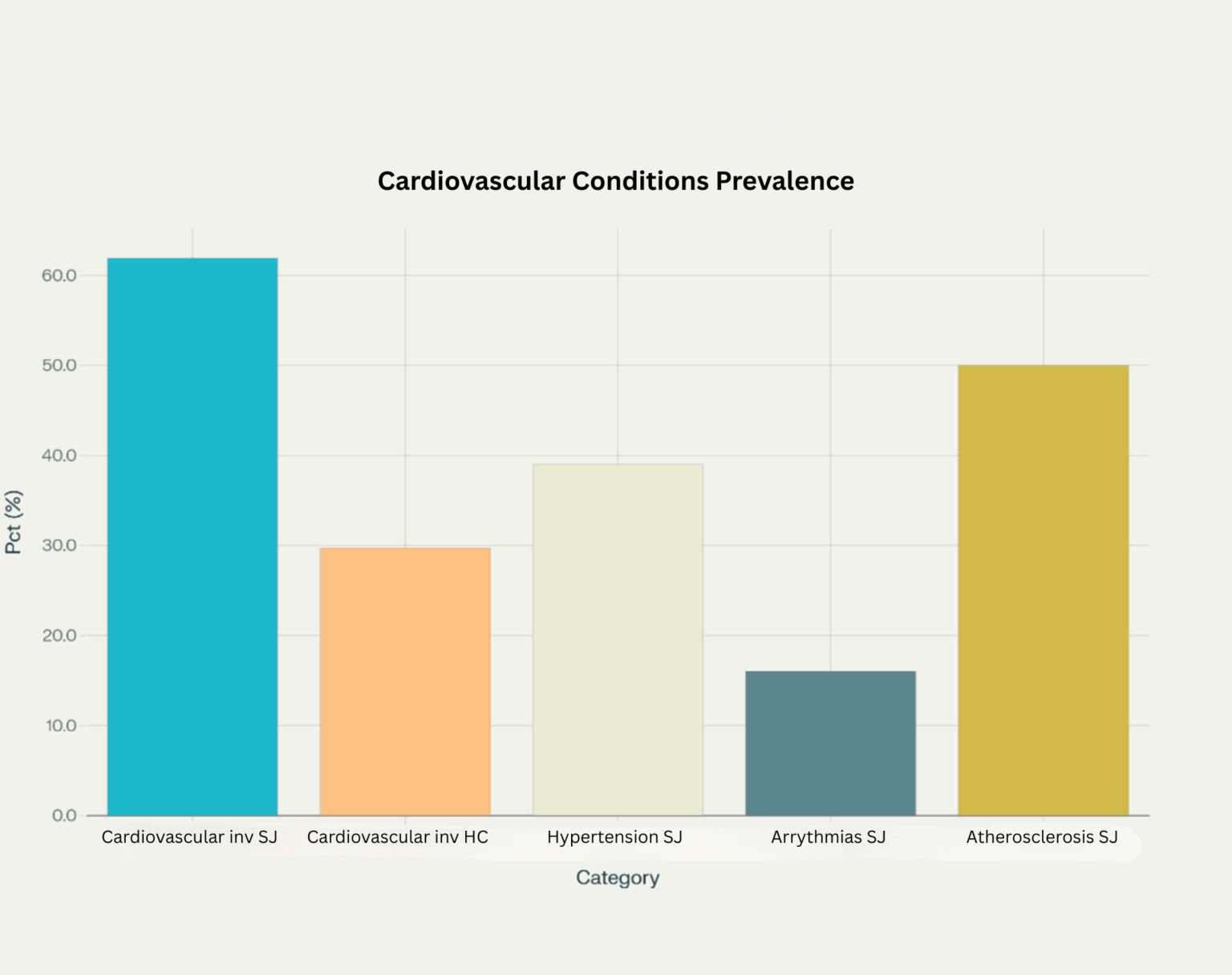
  • Prevalence of cardiovascular involvement in Sjögren’s patients: 61.9%
  • Prevalence in healthy controls: 29.7%
  • Hypertension in Sjögren’s patients: 28–50%
  • Arrhythmias (including tachycardia): Reported by 16%
  • Atherosclerosis: Found in up to 50% in small studies

These statistics underscore the importance of taking heart health seriously if you or a loved one is living with Sjögren’s.

A Closer Look: Why Does Sjögren’s Raise Cardiovascular Risk?

Traditional risk factors—think high blood pressure, high cholesterol, sedentary lifestyle—play a role for everyone. But for those with Sjögren’s, the disease itself adds fuel to the fire, driving risk in ways not seen in the general population. Here’s how:

    • Chronic inflammation from overactive immune responses damages the blood vessels.
    • Pro-inflammatory cytokines (such as TNFα, IL-1β, and IL-6) and autoantibodies (anti-Ro/SSA) accelerate the development of atherosclerosis—plaque buildup in arteries.
    • Endothelial dysfunction means the inner lining of blood vessels stops working properly, causing vessels to narrow and raising blood pressure.
    • Arterial stiffness reduces the natural flexibility of arteries, making the heart work harder and potentially leading to heart failure, particularly a subtype called HFpEF (Heart Failure with Preserved Ejection Fraction).
    • Conduction disturbances, including heart block, arise from direct or indirect immune-mediated injury to the heart’s electrical signaling pathways.

Beyond Dry Mouth: How Does the Heart Suffer in Sjögren’s?

Cardiovascular involvement is diverse and sometimes silent in its onset. 

Common manifestations in Sjögren’s syndrome include:

    • Hypertension
    • Pericarditis and pericardial effusion (inflammation of the lining around the heart)
    • Myocardial ischemia (reduced blood flow to the heart muscle)
    • Arrhythmia (including bradycardia, tachycardia, atrial fibrillation)
    • Valvular disease (damage or thickening of heart valves)
    • Myocarditis (inflammation of heart muscle)
    • Vasculitis
    • Heart block (disruptions in electrical signaling)
    • Heart Failure (especially HFpEF)
    • Atherosclerosis and increased arterial stiffness

In some cases, these heart conditions can be first clues to an underlying autoimmune disease, especially in younger adults who seem too young for traditional cardiovascular issues.

Real People, Real Challenges: Insights from India and Beyond

Research from an Indian tertiary center found that more than one-third of Sjögren’s patients had severe systemic manifestations—often with cardiovascular complications—necessitating stronger treatment. Antibody positivity (anti-Ro, anti-La) was found to significantly raise the risk for systemic and cardiovascular involvement in these patients.

“Cluster analysis revealed two subsets: The first cluster comprised of patients having a major systemic illness with high antibody titers and the second comprised of seronegative patients with mild disease. Over a third of SS cases had severe systemic manifestations necessitating treatment with immunosuppressants.”

Spotting Heart Trouble: What to Watch For?

Heart Attack Signs

    • Chest discomfort or pain (pressure, fullness, squeezing)
    • Pain in the arms, back, neck, jaw, or stomach
    • Shortness of breath (with or without chest discomfort)
    • Lightheadedness, cold sweat, nausea, rapid/irregular heartbeat, and fatigue

Note: Women may experience symptoms like anxiety, back or jaw pain, and unusual fatigue rather than classic chest pain.

Stroke Signs

Remember F.A.S.T.:

    • Face drooping
    • Arm weakness
    • Speech difficulty
    • Time to get help — call a medical helpline or emergency services immediately

Why Can Heart Involvement Go Unnoticed in Sjögren’s?

The symptoms of cardiovascular events can overlap with routine Sjögren’s complaints—such as fatigue and weakness—making it easy to miss the warning signs. Denial and stoicism among patients—especially women—also play a role.

Key advice: If you have chest pain, shortness of breath, or other sudden symptoms that last more than 15 minutes and don’t improve with rest, seek urgent medical care.

Minimising Risk: Take Charge of Your Heart Health

Managing heart risk in Sjögren’s means taking a comprehensive approach:

    • Regular cardiovascular screening: Check blood pressure, blood sugar, and cholesterol regularly.
    • Healthy diet: Emphasize fruits, vegetables, lean proteins, and whole grains.
    • Physical activity: Aim for at least 150 minutes of moderate exercise per week, as tolerated.
    • Don’t smoke.
    • Manage stress and inflammation: Take prescribed immunomodulatory medication consistently; control systemic inflammation.
    • Personalized care: Discuss risk factors and screening with your rheumatologist and cardiologist—especially if you test positive for anti-Ro/SSA or anti-La antibodies.
    • Monitor for cardiac symptoms: Keep a symptom diary; never ignore unusual or persistent chest discomfort, palpitations, or episodes of unexplained fatigue.

Sjögren’s Awareness

    • Sjögren’s isn’t just about “dryness”—it raises risk for serious heart complications.
    • Chronic inflammation and autoantibodies play a major role in arterial damage—even without classic risk factors.
    • Heart disease may be silent or mimic Sjögren’s fatigue and musculoskeletal pain.
    • Women may present with atypical heart symptoms and be underdiagnosed.
    • Address traditional (smoking, hypertension, cholesterol) and disease-specific risk factors.
    • Early lifestyle modification and regular physician follow-up can dramatically reduce complications.
    • Seek urgent care for unexplained chest pain, brain fog, slurred speech, or one-sided weakness.

Empowering Yourself: What Patients and Families Should Do

    • Stay Educated: Understand that Sjögren’s syndrome is a systemic disease, with potential to affect your entire body—including your heart and blood vessels.
    • Advocate for Screening: Push for cardiovascular risk assessment even if you have no prior heart problems.
    • Track Symptoms: Note any changes in fatigue, palpitations, dizziness, or swelling—however subtle.
    • Participate in Support Networks: Patient groups provide invaluable shared experience and current research updates.
    • Collaborate with Your Care Team: Your rheumatologist, cardiologist, and primary doctor must work together for optimal care.
    • Engage in Routine Health Checks: Weight, blood pressure, cholesterol, and blood sugar should be checked regularly.
    • Maintain a Healthy Lifestyle: Even modest changes in diet and activity can yield significant benefits.

Sjögren’s syndrome is more than just an inconvenience—it is a systemic disease with potential life-threatening cardiovascular complications. With new insights and increasing awareness, patients and clinicians can work together to reduce risks and improve outcomes. Remember, awareness is the first crucial step in prevention and early intervention.

If you are living with Sjögren’s, speak with your healthcare provider today about your cardiovascular risk—and take heart, because informed action can make all the difference.

If you suspect a heart attack or stroke threat, call your country’s emergency medical helpline immediately. In India, the ORDI Rare Disease Helpline is available at +91 8892 555 000.

15 June Fathers Day (1)

Celebrating Father’s Day: A Call to Prioritize Men’s Health and Wellness

Father’s Day is more than a day of cards, cakes, and celebrations — it’s a heartfelt reminder to honor the incredible men in our lives. Whether it’s your dad, uncle, brother, grandfather, or any father figure, this is the perfect occasion to acknowledge their love, sacrifices, and unwavering support.

As Father’s Day follows the close of Men’s Health Week, it’s more than a celebration, it’s a call to action. Let’s honor dads not just with gifts, but with genuine care for their health. Whether it’s scheduling checkups, encouraging healthier habits, or simply spending quality time, every gesture counts. This year, celebrate the strength behind the smile by putting your father’s wellness first. Strong dads make strong families.

While we shower them with appreciation, let’s also turn our attention to something that often gets sidelined — their health. Men’s health is not just a men’s issue; it’s a family concern. Women, too — mothers, daughters, wives — play a pivotal role in supporting the well-being of the men they care about.

As we celebrate the strength and guidance of fathers, let’s also reflect on the health challenges they quietly face — and how we can encourage proactive care and prevention.

Why Talk About Men’s Health on Father’s Day?

Behind every hardworking, loving dad is a human being who may be battling fatigue, chronic stress, or undiagnosed conditions in silence. Sadly, studies continue to show that men are less likely to seek medical advice or undergo preventive checkups.

Some avoid doctors due to fear of diagnosis. Others associate seeking help with weakness. But here’s the truth: taking charge of your health is not a weakness — it’s one of the greatest forms of strength. Regular checkups and screenings not only increase longevity but also improve the quality of life.

So, this Father’s Day, let’s flip the script. Let’s encourage the dads in our lives to put themselves first — for once.

❤️ Heart Disease: Cardiovascular disease remains the leading cause of death among adult men. Whether it’s high blood pressure, clogged arteries, or the risk of stroke — 1 in 3 men is affected by some form of heart disease. Regular screening of blood pressure, cholesterol, and lifestyle factors like smoking and diet is essential for prevention.

🍬 Diabetes: Type 2 diabetes is a silent condition that often goes undetected until serious complications arise — from nerve damage to kidney issues and heart attacks. A diet rich in fiber, regular movement, and blood sugar monitoring are key to prevention and management.

 Respiratory Illnesses: Conditions like COPD, pneumonia, and influenza hit men harder. Smoking and environmental exposure add to the risk. Early intervention and quitting tobacco can make a world of difference.

🌞 Skin Cancer: Skin cancer may not get much attention, but it’s deadlier for men. Regular use of sunscreen, protective clothing, and avoiding tanning beds can significantly reduce the risk.

🧠 Mental Health: Men often hide their emotional pain. Depression, anxiety, and even suicidal thoughts frequently go unspoken. On Father’s Day, let’s remind our dads it’s okay to ask for help — and more importantly, that help is available.

Prostate & Liver Health: Prostate cancer is the second most common cancer in men. Liver diseases, especially due to alcohol and smoking, are also increasingly common. Regular checkups, liver function tests, and early prostate screenings can help catch problems before they become serious.

How You Can Help Dad Thrive — Physically and Mentally

As caregivers, children, and loved ones, we play a powerful role in encouraging our fathers to take their health seriously. Here are some practical tips to help them achieve optimal well-being:

  • 🧡 Spend quality time to boost emotional well-being
  • 💤 Encourage restful sleep — at least 7–8 hours per night
  • 🥗 Promote a nutritious diet rich in vegetables, lean proteins, and whole grains
  • 🚰 Ensure proper hydration
  • 🏃‍♂️ Support regular physical activity — walks, light workouts, or sports.
  • 📋 Schedule regular health screenings and follow-up appointments
  • 🗣️ Talk openly about stress or mental health concerns
Essential Health Screenings for Men Over 40

After 40, men should begin regular screenings to detect diseases before symptoms appear. These tests help in preventing serious complications and maintaining vitality.

Cardiovascular disease is a silent threat that often goes unnoticed until it’s too late. That’s why men should prioritize regular heart health assessments. Tests like ECGs, stress tests, and lipid profiles help detect early signs of heart trouble — from abnormal rhythms to clogged arteries. These screenings can catch issues before they become dangerous, allowing for timely treatment and lifestyle changes. Early detection isn’t just smart; it can be lifesaving. Don’t wait for symptoms — stay one step ahead. Protect your heart, protect your future. Schedule a cardiovascular checkup and take control of your health today. ❤️🩺

Diabetes Screening: A Vital Step for Men 40+ 

Diabetes doesn’t always show symptoms early—but it can quietly harm your heart, kidneys, nerves, and eyes. That’s why men over 40 should make regular diabetes screenings a non-negotiable. Tests like fasting blood sugar and HbA1c levels provide a clear picture of how your body is managing glucose. Early detection can prevent complications and help you stay on top of your health game. With the right lifestyle changes and medical support, diabetes is manageable — but only if caught in time. Take charge before diabetes takes a toll. Book your screening. Stay strong. Stay ahead. 💪🩸

Prostate Health: Don’t Overlook It 

As men age, prostate health becomes increasingly important. Regular screenings like PSA blood tests and digital rectal exams can detect early signs of prostate issues, including cancer. Early detection means better outcomes. Prioritize your health—get screened, stay informed, and take control of your well-being. 🩺💙

Bone Density Screening: Build a Stronger Future

With age, men face a gradual decline in bone strength, often unnoticed until a serious fracture occurs. That’s why bone density screening is essential—it’s quick, non-invasive, and reveals early signs of osteoporosis or bone loss. Detecting these issues early allows for timely intervention through lifestyle changes, supplements, or treatment. Don’t wait for a break to take action. Prioritize your bone health today and keep moving strong, steady, and pain-free well into the future. 🦴💪

Eyes & Smiles Matter: Don’t Skip These Checkups

As the years go by, both vision and dental health can quietly decline. Regular eye exams help catch early signs of glaucoma, cataracts, or even underlying conditions like diabetes and high blood pressure. Meanwhile, dental checkups prevent gum disease, tooth loss, and infections that can affect your overall health. These aren’t just routine visits — they’re key to aging well. Protect your sight, preserve your smile — schedule those checkups and stay confidently healthy! 👁️🦷

Liver Checkups: Guard Your Body’s Silent Workhorse

Your liver works hard every day, but with age, its efficiency can decline—often without obvious symptoms. That’s why regular liver function tests, ultrasounds, and hepatitis screenings are essential. These simple checkups can catch liver issues like fatty liver, cirrhosis, or infections before they escalate. Early detection means easier management and a healthier life. Don’t ignore your liver—protect it with timely screenings and give your body the care it quietly deserves. 🍵🧬

Gut Health Check: Screen Smart, Live Strong

As we age, the risk of digestive issues like colorectal cancer, ulcers, and polyps increases. Thankfully, tools like stool tests, colonoscopies, and endoscopies make it possible to detect these conditions early—often before symptoms appear. Early diagnosis means simpler treatment and better outcomes. Don’t wait for discomfort to take action. Prioritize your digestive health with routine screenings and keep your gut strong, your energy high, and your life on track. Your health starts from within! 🍽️🩺

Final Thoughts: Let’s Change the Narrative

Men’s health is a crucial but often overlooked issue. Conditions like heart disease, stroke, cancer, diabetes, and mental health disorders continue to take a heavy toll on male lives — many of them preventable through awareness, lifestyle changes, and early intervention.

This Father’s Day, let’s do more than just celebrate — let’s invest in the long-term health and happiness of the men who mean the world to us.

🎉 Show your love with action:

✅ Book that overdue health checkup
✅ Encourage open conversations about wellness
✅ Be part of his journey to better health

Because the best gift you can give your dad isn’t in a box — it’s a longer, healthier life.

This Father’s Day, take the first step. Book a screening for your dad with Panaceiaso. Because his health is your greatest blessing.

✨ Early detection saves lives — schedule an appointment today! ✨

Prioritizing Gut Health: Achievable Lifestyle Changes for Today and Beyond

As we settle into our habits for 2024, it’s important to reflect on our New Year’s resolutions. If you’re already feeling disappointed in your progress, it may be time to adjust your goals. Resolutions can be harsh and rooted in self-criticism, so instead of focusing on short-term accomplishments, let’s explore lifestyle changes that can support your gut health and overall well-being for years to come.

The gastrointestinal tract, often referred to as the GI tract or digestive system, is a marvel of biological engineering that plays a crucial role in our overall health and well-being. From the moment food enters our mouths to the point where waste is expelled, this intricate system carries out a series of complex processes that are essential for our survival.

The Journey Begins: Digestion in the Mouth

The journey of digestion begins in the mouth, where the process of mechanical and chemical digestion kicks off. Chewing breaks down food into smaller pieces, while enzymes in saliva start breaking down carbohydrates. This mixture of food and saliva forms a bolus that is then swallowed, moving down the esophagus to the stomach.

The Gastric Symphony: Digestion in the Stomach

Once in the stomach, the bolus is further broken down by gastric juices containing hydrochloric acid and enzymes. This acidic environment helps to kill bacteria and break down proteins. The resulting mixture, known as chyme, is gradually released into the small intestine for further digestion and absorption.

The Small Intestine: Absorption Central

The small intestine is where the majority of nutrient absorption takes place. Enzymes from the pancreas and bile from the liver help break down fats, proteins, and carbohydrates into their basic components for absorption. Villi and microvilli in the small intestine increase the surface area for nutrient absorption, allowing essential nutrients to enter the bloodstream.

The Colon: Home Stretch to Waste Management

As the digested food moves through the small intestine, any remaining water and electrolytes are absorbed in the colon. The colon plays a crucial role in forming and expelling waste in the form of feces. The balance of gut bacteria in the colon also plays a significant role in digestion and overall health.

The Gut-Brain Connection: Beyond Digestion

Recent research has highlighted the intricate connection between the gut and the brain, known as the gut-brain axis. This bidirectional communication system influences not only digestion but also mood, behavior, and overall health. A healthy gut is essential for a healthy mind.

Nurturing Your Gut Health :

Exercise for Digestive Efficiency
Though exercise may seem like an obvious goal, it can be closely tied to your digestive health. Daily physical activity keeps your digestive system active, allowing your intestines to pass waste more efficiently. Some of the best exercises to keep your gut moving include cardiovascular activities, walking, running, and yoga.

Hydrate, Hydrate, Hydrate
Drinking more water is a relatively minor change, but it can make a significant difference. Even if you’re still working on reducing sugary drinks or alcohol, try to supplement them with plenty of water and gradually replace them when possible. Drinking water with meals helps your body break down food, prevents constipation, and keeps you hydrated

Embrace Prebiotics and Probiotics

Maintaining a healthy digestive system is essential for your overall health. Focus on consuming both probiotics and prebiotics to ensure your gut is working at its best. Choose options that are close to nature, and do your research if you’re considering prebiotic or probiotic supplements.

Mindful Meal Choices
If you’re aware of specific digestive issues, use your experience and research to determine which foods to avoid. If you’re looking to make general improvements to your diet, try to incorporate more whole grains, leafy greens, and fermented foods. As these healthier options become a regular part of your routine, they’ll become a natural part of your grocery shopping and meal planning.

Consult a Gastroenterologist
Seeing a gastroenterologist is a great way to improve your digestive health in 2024. If you’re experiencing frequent heartburn, constipation, or abdominal pain, a specialist can help determine the underlying causes and set you on a path to better gut health. Common gastrointestinal issues include hemorrhoids, irritable bowel syndrome, celiac disease, and Crohn’s disease, and a gastroenterologist can provide the necessary guidance and treatment.

By focusing on these achievable lifestyle changes, you can prioritize your gut health and set yourself up for long-term well-being. Remember, small, sustainable steps are often more effective than drastic, short-term goals. Embrace the journey, and let your gut be your guide to a healthier, happier 2024 and beyond.

Stem Cell Therapy: Unlocking the Potential of Cellular Superheroes

Introduction to Stem Cell Therapy

Stem cell therapy, a rapidly evolving field in regenerative medicine, holds immense promise for the treatment of various diseases and conditions. Stem cells, with their unique ability to self-renew and differentiate into different cell types, offer a potential solution to repair and regenerate damaged tissues and organs. This article provides an overview of stem cell therapy, exploring the different types of stem cells, their applications in treating various disorders, the benefits and limitations of this therapy, the current state of research and development, as well as the ethical considerations and controversies surrounding its use. Additionally, we will delve into the future outlook of stem cell therapy, highlighting the potential advancements and transformative impact it may have on healthcare.

Definition and Overview of Stem Cell Therapy

Stem cell therapy: the fancy way of using the body’s own repair team to fix things. Stem cell therapy involves harnessing the incredible power of stem cells to treat and potentially cure a wide range of diseases and conditions. These tiny superheroes have the ability to differentiate into different cell types, making them perfect for regenerating and repairing damaged tissues.

Historical Context and Development of Stem Cell Therapy

Stem cell therapy is not just a futuristic concept. It has a fascinating history too! The journey began with the discovery of embryonic stem cells in the early 1980s, followed by the identification of adult stem cells in various tissues. Since then, scientists have been exploring ways to harness the potential of these cells for therapeutic purposes. The field has advanced by leaps and bounds, with groundbreaking research and clinical trials paving the way for promising treatments.

Understanding Stem Cells and their Types

 What are Stem Cells?
Think of stem cells as the body’s versatile builders – they have the power to become any type of cell in our bodies. From brain cells to heart cells, they can transform themselves into whatever is needed to repair and restore damaged tissues. Talk about flexibility!

Types of Stem Cells 

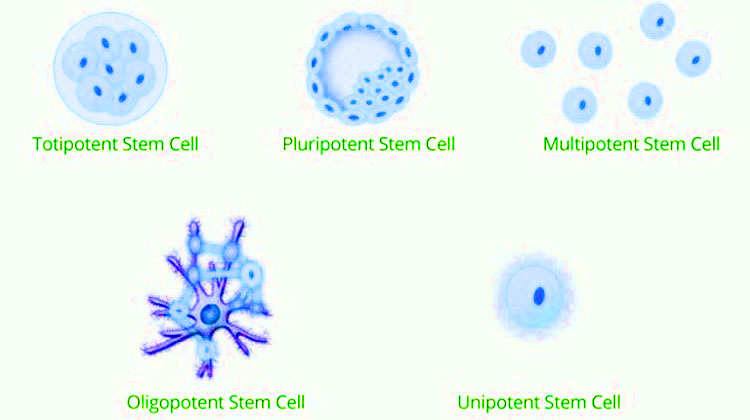
Stem cells come in different flavors, each with its own unique characteristics and capabilities. There are embryonic stem cells, which are harvested from embryos, and adult stem cells, found in various tissues like bone marrow and fat. There are even induced pluripotent stem cells, which are reprogrammed from adult cells to behave like embryonic stem cells. It’s like having a team of talented understudies ready to take on any role.

Characteristics and Properties of Stem Cells

Stem cells have some pretty cool qualities. They can self-renew, meaning they can divide and produce more stem cells. They also have the magical ability to differentiate into specialized cell types, from skin cells to muscle cells. This incredible versatility makes them ideal for repairing and replacing damaged tissues. No wonder they’re the superheroes of cellular biology!

Applications of Stem Cell Therapy

Treating Neurological Disorders

Imagine a world where conditions like Parkinson’s disease and spinal cord injuries could be treated effectively. Well, stem cell therapy brings us one step closer to that reality. Research suggests that stem cells can help replace damaged neurons and restore lost function in the nervous system. It’s like sending in a team of skilled surgeons to repair the most delicate machinery.

Regenerative Medicine and Tissue Repair

Say goodbye to long waits for organ transplants! Stem cell therapy holds the promise of regenerating damaged tissues and organs, eliminating the need for donor organs. Whether it’s a faulty heart or a worn-out liver, stem cells might just be the superheroes our bodies need to heal themselves from within.

Cardiovascular Conditions and Stem cell Therapy

When it comes to matters of the heart, stem cells don’t disappoint. Research suggests that these cellular superheroes can help repair damaged heart tissue and improve heart function. We might just be witnessing the dawn of a new era in treating heart diseases, thanks to the regenerative powers of stem cells.

Oncology and Stem Cell Therapy

Cancer, beware! Stem cell therapy has shown promise in the field of oncology as well. With their ability to differentiate into different cell types, stem cells can potentially be used to target and destroy cancer cells, while sparing healthy ones. It’s like unleashing an army of superheroes to fight the evil forces of cancer.

Benefits and Limitations of Stem Cell Therapy

Advantages of Stem Cell Therapy

Stem cell therapy offers a plethora of advantages. It has the potential to treat diseases that were once considered incurable. By using the body’s own cells, there is a reduced risk of rejection or complications. Moreover, stem cells can be obtained from various sources, making it accessible for a wider range of patients. It’s like a versatile Swiss army knife in the world of medicine!

Challenges and Limitations of Stem Cell Therapy

Of course, even superheroes have their limitations. Stem cell therapy is still a relatively new and evolving field, with much research and development needed to fully understand its potential and limitations. There are also ethical considerations surrounding the use of embryonic stem cells. The cost of treatments and the need for rigorous regulation are additional challenges that need to be addressed. But hey, every superhero has his kryptonite.

Evaluating the Safety and Efficacy of Stem Cell Therapies

As with any medical treatment, safety and efficacy are paramount. While stem cell therapy shows immense promise, it’s crucial to ensure that treatments are thoroughly evaluated and regulated. Rigorous clinical trials and scientific research are essential to establish the safety and effectiveness of stem cell therapies. After all, we don’t want our superheroes to have any hidden side effects up their capes. So, there you have it – a whirlwind tour of the fascinating world of stem cell therapy. With their incredible potential to heal and regenerate, stem cells are rewriting the rules of medicine. Who knows, one day they might just be the superpower we need to conquer even the most stubborn diseases and conditions. Avengers, assemble!

Current Research and Development in Stem Cell Therapy

Breakthroughs and Promising Discoveries

In recent years, the field of stem cell therapy has witnessed remarkable breakthroughs and promising discoveries. Scientists have successfully reprogrammed adult cells into induced pluripotent stem cells (iPSCs), which possess the ability to differentiate into various cell types. This advancement has opened up new possibilities for personalized medicine and regenerative therapies.

Furthermore, researchers have made significant progress in understanding the potential of stem cells to treat a wide range of diseases and conditions. From neurodegenerative disorders like Parkinson’s and Alzheimer’s to heart disease and diabetes, stem cell therapy shows great promise in restoring damaged tissue and improving patient outcomes.

Clinical Trials and Evidence-based Research

The efficacy and safety of stem cell therapy are supported by an increasing number of clinical trials and evidence-based research. These studies provide vital insights into the potential benefits and limitations of using stem cells for various medical purposes.

For instance, clinical trials have shown encouraging results in using stem cells to regenerate damaged cardiac tissue after a heart attack. Similarly, studies using stem cell-based therapies for spinal cord injuries have demonstrated improved motor function and sensory capabilities in patients. These evidence-based findings offer hope for patients and healthcare providers looking for innovative treatment options beyond conventional methods.

Evaluating the Safety and Efficacy of Stem Cell Therapies

As technology advances, so does the field of stem cell therapy. Researchers are constantly exploring innovative approaches to enhance the potential of stem cells in regenerative medicine.

One emerging trend is the development of organoids – miniature three-dimensional organ-like structures grown from stem cells. Organoids allow scientists to study the development and function of organs, providing valuable insights into disease mechanisms and potential treatments.

Additionally, researchers are investigating new avenues for stem cell delivery, such as using nanotechnology and bioengineering techniques to improve cell engraftment and maximize therapeutic effects.

Ethical Considerations and Controversies Surrounding Stem Cell Therapy

Ethical Debates and Moral Concerns

Stem cell therapy has been a subject of ethical debates and moral concerns due to the use of embryonic stem cells. The extraction of these cells often involves the destruction of human embryos, leading to ethical dilemmas. Nevertheless, the development of induced pluripotent stem cells (iPSCs) has alleviated some of these concerns, as they can be obtained without the use of embryos. This breakthrough has allowed the scientific community to move forward with research while respecting ethical boundaries.

Regulatory Frameworks and Guidelines

Given the ethical challenges, regulatory frameworks and guidelines have been put in place to ensure responsible and ethical use of stem cell therapy. These regulations vary across countries and aim to balance scientific progress with ethical considerations. In many jurisdictions, strict regulations govern the sourcing, handling, and administration of stem cells, emphasizing the need for rigorous oversight and informed consent from patients involved in clinical trials.

Public Perception and Acceptance of Stem Cell Therapy

Public perception of stem cell therapy has evolved over time. Initially, there was widespread skepticism and fear, fueled by misinformation and exaggerated claims. However, as scientific evidence accumulates and more success stories emerge, public acceptance has grown. Today, many people view stem cell therapy as a potential game-changer in medicine, offering hope to those suffering from debilitating diseases and conditions. However, it is essential to maintain transparency and communicate the limitations and risks associated with stem cell therapies to manage public expectations.

Future Outlook for Stem Cell Therapy

Potential Advancements and Therapeutic Possibilities

The future of stem cell therapy appears promising, with potential advancements and therapeutic possibilities on the horizon. Researchers are exploring cutting-edge techniques like gene editing to enhance the regenerative potential of stem cells further. Stem cell-based treatments for conditions like spinal cord injuries, neurodegenerative disorders, and even age-related degeneration show great promise for the future. The potential to repair and regenerate damaged tissues could revolutionize healthcare and improve the quality of life for countless individuals.

Technological and Scientific Advances

Technological and scientific advances will continue to play a crucial role in advancing stem cell therapy. Innovations such as 3D bioprinting, tissue engineering, and advanced imaging techniques will further enhance our understanding and utilization of stem cells. Moreover, collaborations between scientists, clinicians, and engineers will foster interdisciplinary research, leading to breakthroughs in stem cell therapy and its application across various medical fields.

Implications for Healthcare and Patient Care

The widespread adoption of stem cell therapy has the potential to transform healthcare and patient care. By harnessing the regenerative properties of stem cells, physicians can offer personalized, targeted treatments with the potential to address the underlying causes of diseases.

Additionally, as the field progresses, stem cell therapy may reduce the need for long-term medication use and invasive surgeries, leading to improved patient outcomes and reduced healthcare costs.

In conclusion, stem cell therapy holds immense promise for advancing medicine and improving patient care. While ethical considerations and controversies persist, ongoing research, clinical trials, and technological advancements will undoubtedly shape a future where stem cell therapy becomes an integral part of mainstream healthcare. In conclusion, stem cell therapy presents a promising pathway towards revolutionizing medical treatments and addressing the unmet needs of patients across diverse fields. The potential of harnessing the regenerative power of stem cells offers hope for those suffering from debilitating diseases and injuries. However, continued research, ethical considerations, and careful evaluation of safety and efficacy are crucial in ensuring the responsible and effective use of this therapy. As advancements continue to unfold, we anticipate a future where stem cell therapy becomes more accessible, reliable, and transformative in improving the lives of countless individuals worldwide.

green_ribbon_bile_duct_cancer-338fe7e610524ebbb27877b9ed460b95

Understanding the Silent Threat: Gallbladder and Bile Duct Cancer

green_ribbon_bile_duct_cancer-338fe7e610524ebbb27877b9ed460b95

Introduction to Gallbladder and Bile Duct Cancer

Gallbladder and bile duct cancer, also known as biliary tract cancer, is a rare and aggressive form of cancer that affects the gallbladder and the bile ducts. These cancers typically develop in the cells lining the inner walls of these organs and can cause a range of symptoms and complications. Understanding the causes, risk factors, signs, diagnosis, treatment options, and prognosis of gallbladder and bile duct cancer is crucial for early detection, effective management, and improved outcomes. This article provides an overview of these key aspects, as well as insights into supportive care, prevention strategies, and the importance of early detection in battling this challenging disease.

Understanding Gallbladder and Bile Duct Cancer

Today, we’re diving into the world of gallbladder and bile duct cancer. Now, I know cancer isn’t exactly a topic that brings a smile to your face, but fear not! We’ll break it down into bite-sized pieces and make it as easy to understand as possible.

Gallbladder and bile duct cancer, also known as cholangiocarcinoma, is a type of cancer that affects the gallbladder or the bile ducts. The gallbladder is a small organ located beneath the liver, responsible for storing bile produced by the liver. The bile ducts, on the other hand, are the tubes that carry bile from the liver to the small intestine. While gallbladder and bile duct cancer are not as common as some other types of cancer, they can still have a significant impact on a person’s health. Understanding the causes, symptoms, and diagnosis of this cancer is crucial for early detection and effective treatment.

Causes and Risk Factors of Gallbladder and Bile Duct Cancer

Potential Causes of Gallbladder and Bile Duct Cancer.
Identifying Risk Factors

Now, let’s talk about what could potentially cause gallbladder and bile duct cancer. It’s a complex topic, so bear with me!
While the exact causes of this cancer are not yet fully understood, there are some factors that might increase the risk. These include:

1. Age: Gallbladder and bile duct cancer is more common in older adults, with the risk increasing as we age.

2. Gender: Men are slightly more prone to developing this cancer than women, but both genders can be affected.


3. Chronic inflammation: Conditions like chronic bile duct inflammation or gallstones can increase the risk of developing gallbladder and bile duct cancer.

4. Primary sclerosing cholangitis (PSC): PSC is a chronic liver disease that causes inflammation and scarring of the bile ducts, putting individuals at a higher risk for developing cancer.

Remember, these factors don’t guarantee you’ll develop the cancer, but they can increase the likelihood. If you’re concerned about your risk, it’s always best to consult with a healthcare professional.

Signs and Symptoms of Gallbladder and Bile Duct Cancer

Early Warning Signs & Advanced Symptoms

Alright, let’s look at the signs and symptoms of gallbladder and bile duct cancer. Early detection is crucial, so keep an eye out for these warning signs:

1. Abdominal pain: It can range from mild discomfort to severe pain, usually located in the upper right side of the abdomen.

2. Jaundice: A yellowing of the skin and eyes due to a buildup of bilirubin, a yellow pigment produced by the liver. You might also notice dark urine or pale stools.

3. Unexplained weight loss: If you haven’t been trying to shed those extra pounds but notice a significant weight loss, it’s worth investigating.

4. Fatigue: Feeling tired and weak, even with enough rest, can be a symptom of gallbladder and bile duct cancer.

As the cancer progresses, more advanced symptoms may appear, such as nausea, vomiting, itching, and an enlarged gallbladder or liver. Remember, these symptoms can also be indicative of other conditions, so it’s essential to consult a healthcare professional for an accurate diagnosis.

Diagnosis and Staging of Gallbladder and Bile Duct Cancer

Okay, let’s get down to the nitty-gritty of diagnosing gallbladder and bile duct cancer. Your doctor may order a variety of tests and procedures to confirm the presence of cancer, such as:

1. Imaging tests: CT scans, MRIs, and ultrasounds can provide detailed images of the gallbladder and bile ducts, helping to identify any abnormalities.

2. Blood tests: Measuring levels of certain substances in the blood, such as liver enzymes and bilirubin, can provide insights into the health of the liver and bile ducts.

3. Biopsy: A tissue sample may be taken from the suspected area and examined under a microscope to determine if cancer cells are present.

Once the cancer is confirmed, it is then staged to determine how far it has progressed. The staging process helps guide treatment decisions:

– Stage 0: Considered non-invasive, with cancer cells confined only to the innermost layer of the gallbladder or bile ducts.
– Stage I-IV: As the stages progress, the cancer spreads further into nearby tissues and organs, potentially including lymph nodes and distant sites in the body.

Remember, every cancer journey is unique, so get connected with Panaceiaso, as we will guide you through the diagnosis and staging process with a help of an expert practitioner. Remember, knowledge is power, and understanding this condition is a step towards better healthcare.

Treatment Options for Gallbladder and Bile Duct Cancer

Surgical Interventions: When it comes to treating gallbladder and bile duct cancer, surgery is often the first line of defense. Surgeons may perform procedures like cholecystectomy (removal of the gallbladder) or hepatectomy (removal of part of the liver). It’s like removing those pesky weeds from your garden, but instead, it’s getting rid of cancerous cells.

Chemotherapy and Radiation Therapy: Chemotherapy and radiation therapy are like Batman and Robin, a dynamic duo fighting against cancer. Chemotherapy uses powerful drugs to destroy cancer cells throughout the body, while radiation therapy uses targeted radiation beams to kill cancer cells in a specific area. They may not have fancy capes, but they sure are effective in fighting the villain of gallbladder and bile duct cancer.

Targeted Therapies: Targeted therapies are the cool kids on the block. They use specific drugs or other substances to target cancer cells directly, without harming healthy cells. It’s like a sniper aiming for the bullseye. These therapies can block the growth of cancer cells or stop the signals that allow them to multiply. It’s precision medicine at its finest.

Management and Supportive Care for Gallbladder and Bile Duct Cancer

Palliative Care: It is like having a supportive friend by your side during tough times. It focuses on providing comfort and improving the quality of life for patients with gallbladder and bile duct cancer. It helps manage pain, relieves symptoms, and supports emotional well-being. It’s like a warm hug when you need it the most.

Diet and Nutrition: You are what you eat, right? Well, when it comes to gallbladder and bile duct cancer, maintaining a healthy diet is crucial. Eating a balanced diet rich in fruits, veggies, whole grains, and lean proteins can help support your body while undergoing treatment. It’s like giving your body the right fuel to fight against cancer.

Managing Side Effects of Treatment: Treatment can sometimes bring unwanted side effects, like fatigue, nausea, or hair loss. But fear not! There are ways to manage these side effects. Medications, lifestyle changes, and support from healthcare professionals can make the journey a little less bumpy. It’s like having your own personal cheerleader, helping you through every step.

Prognosis and Survival Rates of Gallbladder and Bile Duct Cancer

Factors Influencing Prognosis: Prognosis is like a crystal ball trying to predict the future. Many factors can influence the prognosis of gallbladder and bile duct cancer, including the stage of the cancer, the patient’s overall health, and how well they respond to treatment. It’s like a complicated equation with multiple variables, but doctors use these factors to estimate the outcome.

Survival Rates and Statistics: Survival rates and statistics are like those school report cards. They give us an idea of how patients with gallbladder and bile duct cancer are faring. Survival rates vary depending on the stage of the cancer, but advancements in treatment options have improved outcomes over the years. It’s like seeing progress in a subject you once struggled with.

Prevention & Early Detection Strategies for Gallbladder and Bile Duct Cancer

Lifestyle Modifications and Risk Reduction: Prevention is better than cure, they say. Making healthy lifestyle choices, such as maintaining a balanced diet, exercising regularly, and avoiding tobacco and excessive alcohol use, can help reduce the risk of gallbladder and bile duct cancer. It’s like putting on sunscreen to protect your skin from harmful rays.

Screening and Early Detection Measures Early detection is the superhero that can save the day. Regular check-ups, screenings, and imaging tests can help detect gallbladder and bile duct cancer at an early stage when treatment options are more effective. It’s like catching the bad guy before they wreak havoc. So don’t skip those routine appointments, they could be lifesavers!

In conclusion, gallbladder and bile duct cancer pose significant challenges and require comprehensive understanding and management. With advancements in diagnostic techniques, treatment options, and supportive care, there is hope for improved outcomes and enhanced quality of life for individuals affected by this disease. By raising awareness, promoting early detection, and supporting ongoing research, we can strive towards better prevention strategies and more effective treatments. It is crucial to continue spreading knowledge about gallbladder and bile duct cancer to support patients, caregivers, and healthcare professionals in their fight against this formidable illness.

Unravelling the Mystery of Thyroid: A Journey into Your Body’s Energy Commander

Nestled within your neck lies a powerful force responsible for orchestrating your body’s energy levels and overall well-being. The thyroid gland, resembling a delicate butterfly, holds the key to metabolism, growth, and countless bodily functions. Join us on this captivating exploration of thyroid health, as we delve into the enigmatic world of thyroid disorders, their elusive symptoms, diagnostic methods, and innovative treatments.

 The Thyroid Gland: A Metabolic Maestro

Picture the thyroid gland as a conductor in an intricate symphony. This small, but mighty, gland releases hormones that act as messengers, regulating metabolism, body temperature, and organ function. The harmonious interplay between the thyroid gland, hypothalamus, and pituitary gland forms the symphony known as the hypothalamic-pituitary-thyroid axis.

Unveiling the Thyroid’s Secret: Common Disorders Revealed

Hypothyroidism: When the thyroid gland falls into a slumber, it can lead to hypothyroidism. This condition manifests as a sluggish metabolism, fatigue, weight gain, persistent sadness, constipation, and parched skin—often leaving individuals feeling like they’re slogging through a foggy landscape.

Hyperthyroidism: In a dramatic twist, hyperthyroidism pushes the gas pedal to the floor. The thyroid gland goes into overdrive, causing a surge in metabolism. Symptoms include unexplained weight loss, a racing heartbeat, jitters, irritability, and intolerance to heat- creating a sense of living in a perpetual sprint.

Thyroiditis: Enter the villainous inflammation that can disrupt the thyroid’s balance. Autoimmune disorders or viral infections may spark thyroiditis, setting off a tumultuous chain reaction. Initially, hyperthyroid symptoms may arise, followed by a descent into hypothyroidism.

Unraveling the Clues: Symptoms and Diagnostic Adventures

Detecting thyroid disorders can be akin to solving a captivating mystery. Symptoms often intertwine, perplexing both individuals and healthcare professionals. To shed light on the enigma, blood tests to measure hormone levels (TSH, T3, T4), ultrasound imaging, and thyroid scans play the role of trusty detectives.

Medication: For those with hypothyroidism, synthetic thyroid hormone replacement therapy offers a lifeline, restoring balance to the body. Hyperthyroidism can be managed through anti-thyroid medications or the intriguing concept of radioactive iodine therapy, which tames the thyroid’s wild energy.

Surgical Adventure: In certain cases, the journey may take a surgical turn. Thyroidectomy, the removal of all or part of the thyroid gland, becomes necessary to thwart thyroid cancer or manage large goiters—signaling a daring expedition into the world of surgery.

Embracing the Radiance: Navigating Lifestyle for Thyroid Health : Beyond medical interventions, embracing a vibrant lifestyle can boost thyroid health. Nourishing your body with a balanced diet, rich in iodine and selenium, becomes an act of self-care. Managing stress levels, engaging in regular exercise, and embracing rejuvenating sleep form the pillars of a vibrant existence.

Pregnancy and Beyond WithinWithin the realm of pregnancy, the thyroid’s tale takes on new dimensions. Its influence on fetal development and pregnancy outcomes becomes a riveting saga. Regular monitoring of thyroid function during pregnancy becomes imperative, ensuring appropriate adjustments to treatments to foster a flourishing journey.


Embarking on a journey through the intricate world of thyroid health unveils the fascinating interplay between a small gland and our overall well-being. By unraveling the mysteries of common thyroid disorders, recognizing their symptoms, exploring diagnostic methods, and embracing innovative treatments, we empower ourselves to navigate the path toward optimal health. Remember, the thyroid gland is a captivating protagonist in the grand story of your body—by understanding its complexities, we can embark on a transformative adventure toward a vibrant and fulfilling life.