The Ultimate Guide to India’s Golden Triangle

Discovering the Golden Triangle: A First-Timer’s Journey

Why the Golden Triangle Is the Heart of India

If you’re dreaming of a journey that captures the soul of India—a place where history meets vibrance, and ancient glory blends with the pulse of the present—the Golden Triangle is your gateway. More than a route; it’s a rite of passage for every traveler seeking to truly feel India’s magic.

Linking Delhi, Agra, and Jaipur, this circuit is a journey through India’s dazzling contrasts, where centuries-old wonders sit beside lively markets and bustling modernity. For first-time travelers, the Golden Triangle offers an immersive glimpse into the country’s rich culture, breathtaking architecture, and warm hospitality.

What Is the Golden Triangle and why is it so special?

Think of it as India distilled: a journey through centuries, dynasties, and experiences. Here’s why this circuit is at the core of India’s travel lore:

    • Rich Historical Tapestry: Each city is a living museum, boasting UNESCO heritage sites, Mughal palaces, and vibrant markets.
    • Cultural Immersion: It’s a crash course in Indian traditions, food, crafts, and festivals.
    • Accessible Adventure: The route is well-connected by road, rail, and air—with each city around 200–250km apart—making for smooth travel and plenty of time to soak in the sights.
    • Unbeatable Experiences: From sipping chai in an old Delhi alley to marveling at the ethereal beauty of the Taj Mahal at dawn, the memories you’ll create here will be unforgettable.

The Golden Triangle forms a nearly equilateral triangle on the map, connecting three of North India’s most iconic cities:

    • Delhi: The vibrant, sprawling capital with a blend of ancient and modern.
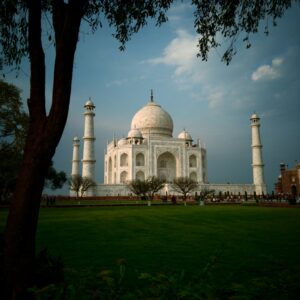
    • Agra: Home to the Taj Mahal, a monument to love and Mughal grandeur.
    • Jaipur: Rajasthan’s pink-hued city of palaces, bazaars, and heroic history.

Each leg of the journey is roughly 200–250km, making it ideal for 5–10 day trips by road or rail.

Best Time to Visit

    • October–March (Winter): Best weather (10–25°C), vibrant festivals like Diwali and Holi, crystal-clear skies. Highly recommended for sightseeing and outdoor dining. Tip: Book early, as this is peak season.
    • April–June (Summer): Hot (sometimes above 40°C), but less crowded—great deals for hotels, yet sightseeing can be tough mid-day. Stay hydrated and plan activity for mornings/evenings.
    • July–September (Monsoon): Rains bring lush greenery and fewer tourists, but heavy showers may disrupt travel. Good for photographers and budget travelers. Carry rain gear and expect occasional waterlogged streets

Route Overview & Planning:

Here’s a snapshot to kickstart your planning:

City:                                          Delhi
Highlight Attractions:      Red Fort, Qutub Minar, India Gate, Lotus Temple
Unique Experience:          
Street food walk in Old Delhi, Heena application on hand
Suggested Days:               
2–3 days 

City:                                          Agra
Highlight Attractions:      Taj Mahal, Agra Fort, Fatehpur Sikri
Unique Experience:          
Agra Sunrise at Taj Mahal
Suggested Days:               
1-2 days 

City:                                          Jaipur
Highlight Attractions:      Amber Fort, Hawa Mahal, Nahargarh Fort
Unique Experience:          
Elephant ride at Amber Fort, dressed up photoshoot
Suggested Days:               
2–3 days 

Delhi: Where Old Meets New

The Allure of Old Delhi

Old Delhi, established as Shahjahanabad by Mughal emperor Shah Jahan in the 17th century, is a living canvas of India’s past. Here, narrow winding lanes lead to majestic heritage sites such as the Red Fort (Lal Qila), a UNESCO World Heritage Site and symbol of India’s rich Mughal history. Nearby stands the Jama Masjid, India’s largest mosque, which welcomes both worshippers and tourists to admire its grand courtyard and intricate design.

Wandering through the chaos of Chandni Chowk—one of the city’s oldest and busiest markets—visitors encounter a riot of colors, fragrances, and sounds. Rickshaw rides here are iconic, weaving past spice vendors, street food stalls, and remnants of old havelis (traditional mansions). Heritage walks in this area often highlight hidden gems, like the atmospheric Agrasen ki Baoli (an ancient stepwell) and the storied spice market of Khari Baoli.

The Charm of New Delhi

In stark contrast, New Delhi—planned by British architect Sir Edwin Lutyens in the early 20th century—welcomes visitors with grand boulevards and stately buildings like the Parliament HouseRashtrapati Bhavan (Presidential Residence), and the war memorial India Gate. These icons of modern India showcase impressive colonial and contemporary architecture. Kartavya Path, formerly known as Rajpath, is a stunning ceremonial boulevard in the heart of New Delhi, stretching from Rashtrapati Bhavan to India Gate. Visitors enjoy picturesque walks along lush lawns, stunning evening lighting, grand historic buildings, fountains, and lively street food stalls. It’s famed for national celebrations and offers breathtaking views of key landmarks, making it a must-visit spot

Modern attractions abound: the Lotus Temple, known for its serene lotus-shaped design, is a symbol of unity and peace. Gurudwara Bangla Sahib offers cultural immersion and spiritual respite, while expansive green spaces like Lodi Gardens and Nehru Park provide natural beauty amid urban life. Sleek malls, stylish cafes, and nightlife venues further enhance New Delhi’s cosmopolitan spirit.

Must-See Sights

    • Red Fort: Soak up the grandeur of Mughal architecture—a symbol of India’s tumultuous history.
    • Qutub Minar: The world’s tallest brick minaret, surrounded by atmospheric ruins.
    • Jama Masjid: India’s grandest mosque; the southern minaret rewards you with sweeping city views.
    • India Gate: A poignant World War I memorial, glowing beautifully by night.
    • Lotus Temple: A vision of modern serenity—perfect for moments of reflection.

Experiences for First-Timers

    • Old Delhi Food Walk: Savour parathas, jalebis, and chai at century-old stalls.
    • Rickshaw Ride in Chandni Chowk: Brave the bustling bazaar — a sensory overload of spices, fabrics, and energy.
    • Shopping: Dilli Haat for handicrafts, Khan Market for boutique finds.

Let Delhi’s contrasts teach you resilience and curiosity. Don’t shy away from the unexpected: the chaos, the beauty, the voices. Every interaction—whether haggling in a bazaar or swapping smiles over masala chai—reveals a facet of Delhi’s soul.

Practical Tips

  • Pre-arrange your airport pick-up for peace of mind.
  • Dress modestly, especially in religious places.
  • Use trusted cab apps for safe journeys.

Click here to Read More >>

Agra: Mughal Majesty & Timeless Romance

Next stop: Agra, home to the world’s greatest ode to love, the Taj Mahal.

Agra is a place where romance is etched in marble and every experience draws you deeper into the city’s rich history and vibrant culture. Here are my top human-centered recommendations to make your Agra adventure unforgettable.

Taj Mahal at Sunrise
Nothing matches the ethereal beauty of the Taj Mahal in the glow of dawn. Arriving before sunrise offers soft lighting, fewer crowds, and a magical, intimate atmosphere for your first glimpse of this monument to love. Early visits also make photography more rewarding and allow moments of quiet reflection.

Agra Fort and Musamman Burj
This palatial red sandstone fort is a must for history lovers, with its intricate courtyards and the legend-filled Musamman Burj, where Shah Jahan was imprisoned and gazed out at his beloved Taj. Exploring the fort gives context to Mughal opulence and a deeper emotional link to Agra’s romantic stories.

Fatehpur Sikri
A short drive from Agra, this ‘ghost city’ resonates with Mughal splendor and mysterious beauty, offering both architectural marvels and atmospheric strolls far from city crowds. It’s ideal for travelers eager to step back in time and imagine the grandeur of an empire faded into legend.

Sights Not to Miss

    • Taj Mahal: The world’s most famous monument to love. Witness the changing hues at sunrise — line up early for the best experience.
    • Agra Fort: Explore palatial complexes and the legendary Musamman Burj.
    • Fatehpur Sikri: Ghostly beauty and Mughal splendor (a short drive away).

Experiences for First-Timers

1. Hire a Local Guide – Travel Deeper, See Further
: Elevate your Agra experience beyond guidebooks by hiring a government-approved local guide at official monument entrances. They’ll share not just the history, but the love, drama, and secrets of the Taj Mahal, Agra Fort, and Fatehpur Sikri. A knowledgeable guide unlocks authentic, unforgettable stories hidden in every stone.

2. Taste Agra’s Famed Petha: No visit to Agra is complete without tasting petha—especially at the original Panchhi Petha in Sadar Bazaar. Also try Munna Lal’s orange petha and Pracheen Petha’s classic sweets for memorable souvenirs.

3. Shop for Marble Inlay Work & Handicrafts in Sadar Bazaar: Sadar Bazaar, Agra’s vibrant craft hub, offers exquisite marble inlay art, leather goods, rugs, and jewelry. Enjoy bargaining and engaging with artisans who proudly share their ancestral craftsmanship. Perfect souvenirs await!

Tips for Agra

    • The Taj Mahal is closed on Fridays for prayers—plan your visit accordingly.
    • Buy tickets online in advance to skip the line, and carry a printed or digital QR ticket for smooth entry.
    • Major monument tickets (including the Taj) generally include shoe covers and bottled water—use them, and carry an extra pair of socks for comfort when you remove your shoes to enter sacred areas.
    • Travel light: Only small bags are permitted inside the Taj Mahal, and you’ll clear security faster without backpacks or food items.
    • Beware of touts: Stick to official guides and authorized shops—don’t fall for claims of being the ‘only real’ or ‘government approved.’ Your best bet is to book guides and tickets at the entrance counters.
    • Negotiate with rickshaw and taxi drivers or pre-arrange hotel pick-ups to avoid inflated fares or detours.

Click here to Read More >>

Jaipur: Rajasthan’s Royal Marvel — Your Pink City Adventure Awaits

Step foot in Jaipur, and you step into a world where regal palaces glow pink in the morning sun, bustling bazaars overflow with color, and every alley echoes with legends of Maharajas. From towering forts to block-printed kurtas, Jaipur is both a feast for the senses and a celebration of Rajasthan’s indomitable spirit. If you’re dreaming of a city break where every moment feels larger-than-life, Jaipur begs to be your next destination. Must-Visit Attractions

1. Amber Fort: Majesty on the Hill Amber Fort, atop Aravalli hills, offers city views, Sheesh Mahal mirrorwork, and an evocative sound-light show celebrating Rajasthan’s history.

2. Hawa Mahal (“Palace of Winds”): Photographers’ Paradise Hawa Mahal features a honeycomb façade with 953 windows, built in 1799 for royal women. Stunning at sunrise, perfect for photos.

3. City Palace: Royalty, Art, and Living History City Palace, Jaipur’s royal residence and museum, showcases opulent courtyards, dazzling costumes, armor, carriages, and miniatures revealing rich history.

4. Jantar Mantar: Astronomical Brilliance Jantar Mantar, built in 1734 by Maharaja Jai Singh II, features the largest stone sundial and astronomical instruments for eclipse predictions.

5. Jaigarh & Nahargarh Forts: Sunset with a View Jaigarh Fort, once guardian of royal treasures, and Nahargarh, famed for sunset vistas, offer peaceful photography spots above Jaipur’s pink city.

6. Bazaar Trails: Shop Like Royalty Johari Bazaar entices with its 2km stretch of jewelry, crafts, and bridal fashion, while Bapu Bazaar overflows with block-print kurtas, quilts, juttis, and handlooms—bargain hard for authentic, affordable souvenirs.

Experiences to Remember
    • Watch traditional puppet shows and folk dances like Ghoomar and Kalbeliya at venues such as Chokhi Dhani, celebrating Rajasthan’s living heritage.
    • Embark on a hot air balloon ride over Amber at sunrise, witnessing forts and hills bathed in golden light—a magical moment for couples and adventurers.
    • Join a hands-on block printing workshop and craft your own textile keepsake with local artisans.
    • Wander through Johari and Bapu Bazaars for jewelry, spices, textiles, and souvenirs—haggle to uncover unique treasures.
Jaipur Survival Guide: Insider Tips
    • Tourist “tax” is real: Street prices and taxi fares often have a “tourist markup.” Bargain confidently, compare prices, and don’t be afraid to walk away.
    • Shopping Wisdom: Start bargaining at about one-third the quoted price; shop early in the day for quieter lanes.
    • Book Palace Tickets Online: During peak months (October–March), avoid queues at Amber Fort or City Palace by booking entry tickets in advance.
    • Block Printing: Workshops abound, but check reviews for authenticity and book ahead in high season.
    • Cultural Etiquette: Dress modestly for temple and palace visits; always ask permission before photographing people.
Jaipur isn’t just a city of monuments—it’s a living, breathing stage where everyone is welcome to play a part. Swap stories with a craftsman in Johari Bazaar, twirl with folk dancers, or sip chai as life bustles around you at a local corner shop. Every doorway reveals a new scene, every meal is a feast, and every sunset over Amber or Nahargarh fort reminds you that, here, the extraordinary is everyday. Click here to Read More >>
Travel & Logistics 

Getting Around

    • By Road: Plenty of buses and comfortable private taxis (ideal for flexibility).
    • By Rail: Extensive and affordable train options. Book in advance for best classes.
    • Private Tours: Many operators offer customizable packages.

Where to Stay

City: Delhi

      • Budget: Comfortable guesthouses in Paharganj / Karol Bagh
      • Mid-Range: Boutique hotels in Connaught Place
      • Luxury: Heritage hotelsor  5-star chains

City: Agra

      • Budget: Backpacker hostels
      • Mid-Range: Taj Ganj hotels
      • Luxury: Taj-view luxury hotels

City: Jaipur

      • Budget: Hostels, homestays
      • Mid-Range: Heritage havelis
      • Luxury: Palace hotels, resorts

Health & Safety

    • Drink only bottled or filtered water.
    • Carry hand sanitizer and a basic medical kit.
    • Respect local customs and ask before photographing people.

Culture Shocks & Marvels: What to Expect

    • Crowds & Chaos: Parts of the Golden Triangle are bustling and intense; embrace it as part of the adventure.
    • Color Everywhere: From textiles to turbans, India dazzles in every hue.
    • Senses on Overload: Spices, honking horns, music, and scents fill the air.
    • Endless Kindness: Locals are curious and welcoming; a simple “namaste” opens many doors.
Golden Triangle Itinerary Suggestions

Classic 7-Day Itinerary

Day 1–2: Delhi (Red Fort, Qutub Minar, Old Delhi markets)

Day 3: Agra (Taj Mahal at sunrise, Agra Fort, Mehtab Bagh)

Day 4: Fatehpur Sikri, then travel to Jaipur

Day 5–6: Jaipur (Amber Fort, Hawa Mahal, City Palace, bazaars)

Day 7: Return to Delhi or onward travel

Extended 10-Day Itinerary

Add:

    • Day trips to Mathura (Krishna’s birthplace) from Agra
    • Heritage walks or a rural village tour near Jaipur
    • Food and market explorations in South Delhi
Special Experiences for Every Traveler
    • Solo Travelers: Look for group walking tours or culinary classes – great for new friendships.
    • Families: Theme parks in Delhi and elephant encounters in Jaipur are kid-friendly.
    • Couples: Sunset at the Taj Mahal or a romantic dinner in Jaipur’s City Palace.
Frequently Asked Questions

Is the Golden Triangle safe for solo or female travelers?
Yes—just use the same street smarts you would anywhere: avoid traveling late at night alone and use registered transport.

Can I visit all three cities with one visa?
Yes; all are within northern India and require no extra permits beyond a regular visa.

What should I pack?
Light, breathable clothing (modest for sites), medications, sunscreen, comfortable shoes, and a sense of adventure.

What are some local specialties to try?

      • Delhi: Butter chicken, chaat, parathas.
      • Agra: Mughlai cuisine, petha, kachori.
      • Jaipur: Ghewar, laal maas, kachori, sweets.

Essential Hindi Phrases

      • Namaste: Hello
      • Dhanyavaad: Thank you
      • Kitne ka hai? How much is this?
      • Paani: Water
      • Shauchalaya: Bathroom
India’s Golden Triangle: A Once-in-a-Lifetime Journey

For first-time visitors, the Golden Triangle promises a whirlwind of color, history, and heart. Every alley hides a story, every sunrise glints off a monument, and every meal becomes a memory. Arrive with curiosity and leave with a suitcase full of stories and new perspectives.

With this guide in hand, you’re all set to dive into a land of contrasts and wonder—a golden experience awaits you, just around the next corner.

Jaipur Travel Guide: Essential Tips for First-Time Tourists

An Immersive Guide for First-Time Golden Triangle Travelers

Welcome to Jaipur – The Pink City-a vibrant jewel of Rajasthan and the third essential stop in India’s iconic Golden Triangle itinerary. For the first-time visitor, Jaipur offers a hypnotic mix of ancient royalty, architectural marvels, dazzling bazaars, and a food culture that is as rich and heady as its heritage. This detailed guide will help you dive deep into Jaipur, unveiling the stories behind its pink-hued facades, its regal traditions, and the unforgettable flavors that define Rajasthani hospitality.

Why Jaipur: The Gateway to Rajasthan’s Royal Past

Jaipur, founded in 1727 by Maharaja Sawai Jai Singh II, is the first planned city of India—designed on ancient principles of city planning (Vastu Shastra) and renowned for its grid-like streets and walled old city. The city’s famous pink hue, adopted in 1876 to honor a British royal visit, is a symbol of its legendary hospitality and continues to charm visitors today.

Highlights:

    • Gateway to Rajasthan’s regal culture, grand forts, and opulent palaces.
    • Bustles with markets full of handicrafts, gems, textiles, and art.
    • Combines centuries-old traditions with a dynamic, cosmopolitan vibe.
Jaipur’s Culture and Heritage

The Royal Legacy

Jaipur’s royal history is tied closely to the Kachhwaha Rajputs, whose passion for astronomy, art, and architecture reshaped the desert into a city of gardens and palaces. The city is a palimpsest: Rajput, Mughal, and British influences create a unique urban and cultural character.

Key Cultural Features:

    • Monumental forts, such as Amber and Nahargarh, that once guarded the Maharajas.
    • Palaces that housed not just kings and queens but courtly traditions, dancers, poets, and astronomers.
    • Living traditions of music, dance, and craftsmanship visible across the city.

Architecture: Where History Breathes

    • Amber Fort: Majestic hilltop fortress with intricate mirrorwork, mosaics, and marble palaces, blending Hindu and Mughal styles.
    • City Palace: Sprawling royal complex with courtyards, gardens, and museums—still home to the Jaipur royal family.
    • Hawa Mahal: The iconic “Palace of Winds” with a five-story pink sandstone façade and 953 jharokhas (windows), allowing royal women to watch street festivities unseen.
    • Jantar Mantar: UNESCO-listed astronomical observatory, home to the world’s largest stone sundial and 18th-century instruments.
    • Nahargarh and Jaigarh Forts: Offer panoramic views of Jaipur and a glimpse into the city’s military past.

Arts and Crafts

    • Blue Pottery: Unique turquoise-hued pottery with Persian origins.
    • Block Printing: The city is famed for its hand-printed textiles—bandhani, leheriya, and bagru prints.
    • Jewelry: Jaipur is a global hub for gems and traditional Kundan-Meena jewelry.
    • Leatherwork and Mojari: Handcrafted leather slippers and bags are a local specialty.
Unmissable Attractions

Attraction

Category

Highlights

Amber (Amer) Fort

Heritage/Fort

Sheesh Mahal, elephant rides, light & sound show

City Palace

Palace

Museums, art galleries, Peacock Gate, Royal family residence

Hawa Mahal

Landmark

953 windows, pink façade, photographs at sunrise

Jantar Mantar

Science

Astronomical instruments, UNESCO status

Nahargarh Fort

Fort/View

Sunsets, city views, step wells

Jal Mahal

Water Palace

Photogenic palace in Man Sagar Lake

Albert Hall Museum

Museum

Rajasthani artifacts, paintings, textiles

Birla Mandir

Temple

White marble temple, evening serenity

Galtaji (Monkey Temple)

Temple/Nature

Holy water tanks, hundreds of monkeys, scenic setting

Johari Bazaar

Market

Jewelry, gemstone shopping

Bapu Bazaar

Market

Colorful textiles, mojari, souvenirs

Food in Jaipur: A Royal Affair

Jaipur’s cuisine carries the grandeur of its noble past and the bold flavors of the desert. Expect a feast of spices, textures, and traditional preparation techniques.

Must-Try Dishes

Dish

Description

Where to Try

Dal Baati Churma

Baked wheat balls, lentil curry, sweet ‘churma’ crumble

Laxmi Misthan Bhandar, Santosh Bhojanalaya

Laal Maas

Fiery red mutton curry with hot chillies and spices

Handi Restaurant, Niros

Gatte ki Sabzi

Chickpea flour dumplings in spicy yogurt gravy

Rawat Mishthan Bhandar

Ker Sangri

Dried wild berries and beans sautéed in spices—a desert classic

Traditional thali restaurants

Pyaaz Kachori

Deep-fried pastry stuffed with spiced onions

Rawat, Lassiwala

Panchmel ki Sabzi

Mixed vegetable stew with five seasonal veggies

Local dhabas

Ghewar

Honeycomb-shaped sweet fried dessert; a festival favorite

Sweet shops in Johari Bazaar

Mawa Kachori

Stuffed sweet and nutty pastry

Kanji Sweets

Lassi

Thick, creamy yogurt drink, sometimes topped with saffron and pistachio

Lassiwala

Don’t miss:

    • Street food walks in old city lanes.
    • Rooftop dining with fort views.
    • Sweets during festivals and from local halwais.

Shopping: The Bazaars of Jaipur

Jaipur’s markets are a living museum—vibrant, colorful, and filled with treasures.

    • Johari Bazaar: Renowned for gemstones, gold, silver, and Kundan jewelry.
    • Bapu Bazaar: Textiles, block-printed fabrics, bedsheets, and classic Rajasthani mojari (footwear).
    • Tripolia Bazaar: Lac bangles and metalwork.
    • Chandpole Bazaar: Marble carvings and handicraft souvenirs.
    • Sireh Deori Bazaar: Opposite Hawa Mahal, famous for leather goods and puppets.

Bargain respectfully but don’t miss out on authentic souvenirs!

Traditions, Festivals & Local Life

Jaipur is Rajasthan’s cultural powerhouse, staging pageantry and timeless traditions year-round.

Major Festivals:

    • Teej: Monsoon festival with swings, processions, and songs for the goddess Parvati.
    • Gangaur: Celebrates the union of Shiva and Parvati; marked by colorful processions.
    • Jaipur Literature Festival: World’s largest literary event, attracting authors, thinkers, and artists globally.
    • Diwali & Holi: The city lights up with fireworks, diyas (lamps), and vibrant colors.
    • Makar Sankranti: The sky fills with kites.

Performing Arts:

    • Traditional dances like Ghoomar and Kalbeliya.
    • Puppet shows and folk music in evening cultural programs.
    • Sufi Qawwalis and Rajasthani classical music at heritage hotels and havelis.

Local Life:

    • Morning chai at roadside stalls, busy jewelry artisans at work, women in colorful lehengas, and the calls of street vendors—all echo a rhythm unique to Jaipur.
A Perfect 3-Day Jaipur Itinerary

Day 1: Royal Heritage & Architecture

    • Morning:
      • Begin at Amber Fort: Marvel at the Sheesh Mahal, explore courtyards, and catch the morning light over Maota Lake.
    • Midday:
      • Photo stop at Jal Mahal en route back to the city.
      • Lunch at a traditional restaurant—try Dal Baati Churma or Laal Maas.
    • Afternoon:
      • Visit City Palace: Tour museums, art collections, and the Peacock Gate.
      • Stroll to Jantar Mantar: Discover the world’s largest sundial.
    • Evening:
      • Admire the Hawa Mahal‘s façade at golden hour, then unwind with street snacks or a coffee in the old city.

Day 2: Culture, Nature & Local Bazaars

    • Morning:
      • Climb to Nahargarh Fort for panoramic sunrise views.
    • Midday:
      • Shop for jewelry and textiles at Johari and Bapu Bazaar.
    • Afternoon:
      • Visit Albert Hall Museum for a deep dive into Rajasthani art and history.
    • Evening:
      • Enjoy rooftop dining or catch a folk music/dance show at a heritage hotel.

Day 3: Spiritual Experiences & Offbeat Jaipur

    • Morning:
      • Discover the holy water tanks and playful monkeys at Galtaji Temple.
      • Explore vibrant village life at Anokhi Museum of Hand Printing.
    • Midday:
      • Visit the white marble Birla Mandir for peaceful reflection.
    • Afternoon:
      • Explore more bazaars or join a cooking class to master Rajasthani cuisine.
    • Evening:
      • Sunset at Jal Mahal or a walk along the city’s ancient walls.

Pro tips:

    • Most major sites are walkable within the pink city, but auto-rickshaws and app-based cabs are available.
    • Early mornings and late afternoons are best for sightseeing, avoiding both crowds and heat.
Essential Tips for First-Timers
    • When to Visit: October to March for pleasant weather; avoid peak summer heat.
    • Dress Code: Modest attire is appreciated, especially at temples and heritage sites.
    • Getting Around: The Jaipur Metro, autos, and cabs are reliable. Walking is enjoyable in the old city.
    • Tickets & Entry: Get combined or online tickets for popular sites (Amber Fort, City Palace, Jantar Mantar) to save time.
    • Cultural Etiquette: Remove shoes at religious places, ask before photographing locals.
    • Safety: Jaipur is generally safe but watch your belongings in crowded bazaars.
    • Language: English is widely spoken, but a few Hindi phrases are always welcomed.
    • Shopping: Purchase from government emporiums for assured quality in gemstones and crafts.
    • Food Caution: Savor street food but ensure it’s freshly made (especially in summer).
Jaipur’s Magic—A Beginning, Not an End

In Jaipur, every fort and palace inspires awe, every market brims with possibility, and every meal is an invitation to taste centuries of tradition. This city’s magic is immediate: from the pink grandeur of Hawa Mahal and the regal echoes of Amber Fort, to the chaos of the bazaars and the serenity of a sunset over Nahargarh.

As your Golden Triangle journey comes to its finale here, let Jaipur’s hospitality and wonder linger—whether in a gemstone bought on impulse, a sweet after dinner, or the memory of evening bells echoing across palace walls.

Jaipur will stay with you, sparkling as brilliantly as its jewels and as warmly as its desert sun. Welcome to the Pink City-where the royal past is never far from the present, and the story is always yours to discover.

Plan well, travel with wonder, and let Jaipur’s legacy of hospitality sweep you off your feet.

Delhi Travel Guide: 10 Essential Tips for First-Time Tourists

What Every First-Time Visitor Needs to Know

Welcome to the start of your Golden Triangle adventure! As India’s ever-thriving capital, Delhi serves as your captivating gateway into the incredible blend of history, culture, and culinary delights that define this legendary route. For first-time visitors, navigating Delhi is like unfolding the vibrant tapestry of India itself-each layer reveals a story, a taste, and a wonder. Here’s your in-depth, immersive guide to experiencing Delhi in all its variety and splendor.

Delhi as the Beating Heart of India

Delhi is where ancient glories and 21st-century aspirations meet. With a legacy stretching back to the Mahabharata and layers built by successive empires-Hindu, Mughal, and British-the city pulses with stories, traditions, festivals, and contradictions. This is where:

    • Crumbling Mughal havelis neighbor glassy skyscrapers.
    • Sufi qawwali drifts from medieval mosques, while indie music fills contemporary cafes.
    • Street food that’s a feast for the senses competes with world-class fine dining.

A journey here is not just sightseeing-it’s an all-in, immersive plunge into India’s living history.

The Cultural and Heritage Landscape

Delhi: Where History Breathes with the Present

Monument

Heritage Origin

Style & Significance

Red Fort

Mughal

Walled palace-fort, center of power (1648 CE)

Jama Masjid

Mughal

Asia’s largest mosque, begun 1656 CE

Qutub Minar

Sultanate

73m minaret, Indo-Islamic carvings

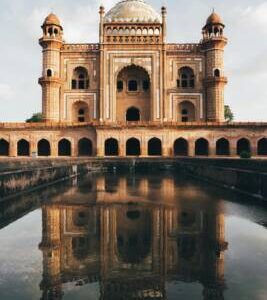
Humayun’s Tomb

Mughal

First garden mausoleum of India (1570 CE)

India Gate

Colonial

Triumphal arch and WWI memorial

Lotus Temple

Modern

Baháʼí, flower-like, open to all faiths

Akshardham Temple

Modern

Ornate Hindu temple, cultural complex

Purana Qila

Afghan/Mughal

Oldest fort, scenic moat, boat rides

Layers of Civilization

    • Ancient and Medieval Roots: Founded at least eight times since the Mahabharata, Delhi’s landmarks include remnants from the Tomar, Chauhan, Sultanate, and Mughal dynasties.
    • Mughal Magnificence: Jama Masjid, Red Fort, Humayun’s Tomb, and Purana Qila (Old Fort) are enduring symbols.
    • Colonial Grandeur: Rashtrapati Bhavan (President’s House), India Gate, the Parliament buildings, and broad tree-lined avenues showcase British-era planning.

Architectural Marvels

These “layers” are seamlessly woven together: a Sufi dargah stands beside a chic café; ancient tombs nestle in parks where kids play cricket.

Artistic and Spiritual Culture

    • Miniature Painting: The city celebrates a living Mughal tradition through art and craftsmanship.
    • Qawwali: Experience soul-stirring Sufi music at Nizamuddin Dargah, especially on Thursday nights.
    • Inclusive Spirit: Delhi’s composite culture flourishes through Hindu temples, Mughal mosques, Sikh gurdwaras, Christian churches, and more-all in daily use.
A Culinary Adventure: Delhi’s Food

Delhi doesn’t just feed you-it tells you its story bite by bite.
From world-famous street snacks to regal Mughlai banquets, the city’s food scene is worth crossing continents for.

Street Food Wonders

Dish

Description

Where to Try

Chole Bhature

Spicy chickpeas with fluffy fried bread

Sita Ram Diwan Chand, Paranthe Wali Gali

Paranthe

Stuffed flatbreads, often with potato or paneer

Paranthe Wali Gali

Aloo Tikki

Spicy potato patties, crisped and served with chutneys

Chandni Chowk, Karol Bagh

Chaat

Tangy medley of wafers, potatoes, yogurt, and spice

Natraj Chaat Bhandar, Bengali Market

Kulfi Faluda

Frozen dairy dessert with vermicelli

Kuremal Mohan Lal Kulfiwale

Ram Ladoo

Lentil fritters topped with radish and chutney

Lajpat Nagar, Sarojini Nagar

Golgappa
(Pani Puri)

Crispy shells with spicy water and fillings

Street stalls citywide

Delhi’s street food reflects the city’s melting-pot culture-Punjabi, Mughlai, Rajasthani, Bengali, South Indian, Tibetan, and more all find their place on the plate.

Mughlai & North Indian Classics

  • Butter Chicken: Creamy, tomato-gravy perfection-taste its origins at Moti Mahal.
  • Kebabs: Seekh kebabs, shami, galouti-succulent, spiced meats grilled over charcoal (head to Karim’s in Old Delhi for the most legendary experience).
  • Biryani: Delhi adds its own rich, spicy twist to this pan-Indian favorite.
  • Kathi Rolls: Succulent fillings wrapped in soft parathas-available at Khan Chacha in Connaught Place.

Modern Cafés and Global Dining

The city’s western-style cafés and specialty restaurants serve everything from world cuisines to creative Indian fusions. Hotspots include Khan Market, Connaught Place, and Hauz Khas Village.

Must-See Attractions with Insider Insights

Old Delhi

    • Jama Masjid:
      • Climb a minaret for panoramic city views.
      • Visit during prayer time for atmosphere—but dress modestly and remove shoes.
    • Red Fort:
      • Don’t miss the sound and light show at dusk.
      • Explore the museums inside for in-depth Mughal history.
    • Chandni Chowk:
      • Ride a rickshaw; the narrow, teeming alleys are best navigated with a local.
      • Top stops: Paranthe Wali Gali, Khari Baoli (spice market), Gali Kababiyan (kebabs), Sunehri Masjid.

New Delhi

    • Qutub Minar Complex:
      • Marvel at towering brickwork and intricate script.
      • Don’t miss the Iron Pillar, famed for its 1,600-year rust-free survival.
    • Humayun’s Tomb:
      • Stroll the beautiful gardens-a peaceful, less-crowded Taj precursor.
    • India Gate:
      • Join locals in the evening for ice cream and people-watching.
      • Reflect at the Amar Jawan Jyoti, an eternal flame for India’s fallen soldiers.
    • Rashtrapati Bhavan & Parliament:
      • Guided tours of the President’s House can be booked in advance.
      • Admire British architecture and ceremonial boulevards.
    • Lotus Temple:
      • Meditate in silence, regardless of your faith or beliefs.
      • The garden and reflecting pools are perfect for a contemplative stroll.

Off the Beaten Path

    • Lodi Gardens:
      • A lush park featuring Sultanate tombs; popular for picnics, yoga, and birdwatching.
    • Dilli Haat:
      • Rotating stalls feature regional crafts and foods-great spot for souvenir shopping and a meal.
    • Hauz Khas Village:
      • Trendy restaurants and boutiques surround medieval ruins and a peaceful lake.
Festivals, Traditions, and Local Life

Delhi’s Multicultural Spirit

Delhi hosts every festival imaginable, from Diwali (Hindu festival of lights) to Eid, Christmas, and Sikh celebrations. If your trip aligns with major festivals, don’t miss the vibrant processions, fireworks, and special foods that fill the city.

Celebrations to Catch

    • Republic Day Parade (Jan 26): Military pageantry and cultural floats.
    • Holi (Spring): Explosion of colors-join public events for safe celebration.
    • Diwali (Autumn): Watch the city come alive with lights, sweets, and fireworks.
    • Eid & Ramadan: Fragrant feasts, especially around Jama Masjid and Old Delhi.

Arts, Music, and Nightlife

    • Catch a classical Indian concert at Kamani Auditorium.
    • Experience Sufi qawwali at Nizamuddin on Thursday evenings.
    • Delhi’s nightlife is cosmopolitan-bars, live music venues, and night bazaars populate Connaught Place and South Delhi.
Essential Tour Plan for Delhi

Day 1: Dive into Old Delhi’s Heritage & Flavors

    • Morning:
      • Jama Masjid: Start your day at India’s largest mosque for its spiritual calm and sweeping Old Delhi panoramas.
      • Rickshaw ride through the winding streets to Chandni Chowk.
    • Midday:
      • Red Fort (Lal Qila): Marvel at the UNESCO-listed Mughal fortress, site of India’s historic Independence Day address-explore museums, vast courtyards, and sound-and-light shows.
      • Spice Market (Khari Baoli): Experience the pungent heart of Asia’s largest spice bazaar, perfect for photography and sensory overload.
    • Afternoon:
      • Street Food Crawl (Chandni Chowk): Taste parathas at Paranthe Wali Gali, sip masala chai, and try mouthwatering chaat at famous old eateries.
    • Evening:
      • Raj Ghat: Meditate at the serene memorial to Mahatma Gandhi.
      • Dinner in Connaught Place: Popular hub for restaurants serving both Indian classics and global cuisine.

Day 2: New Delhi’s Monuments, Parks, & Modern Markets

    • Morning:
      • Qutub Minar: Explore the world’s tallest brick minaret and its Indo-Islamic architecture in lush archaeological grounds.
      • Lotus Temple (Baháʼí House of Worship): Absorb the peaceful, flower-like structure open to all spiritual paths.
    • Afternoon:
      • Humayun’s Tomb: Step into the Mughal garden tomb that inspired the Taj Mahal’s grandeur, encircled by tranquil lawns.
      • Lodi Gardens: Enjoy a serene stroll amongst scattered tombs, ancient trees, and jogging locals.
    • Evening:
      • India Gate: Visit at sunset, when the war memorial glows and crowds gather for picnics and photos.
      • Dilli Haat: Sample delicacies from across India at this handicraft-and-food market.

Shorter on Time?

    • Opt for sightseeing tours: Half- and full-day itineraries efficiently cover the essentials with knowledgeable guides and private transport.
    • The metro connects most major attractions-safe, affordable, and quick!
Tips for First-Timers
    • Best Time to Visit:
      • October to March offers the most pleasant weather.
    • Getting Around:
      • The Delhi Metro is reliable, inexpensive, and covers most sights.
      • Use registered taxis (Uber/Ola) or auto rickshaws. Traffic can be hectic-plan for extra travel time.
    • Health & Safety:
      • Stay hydrated (bottled water only) and go easy on the spice and street food if you’re not accustomed.
      • Dress modestly, especially when visiting religious sites.
    • Money & Shopping:
      • Bargain in local bazaars; upmarket stores in Khan Market or DLF Promenade offer fixed prices.
      • ATMs are plentiful, but cash is still preferred at small shops.
    • Cultural Courtesies:
      • Remove shoes before entering temples and mosques.
      • Ask permission before snapping portraits, especially in markets and of locals.              
Why Delhi Will Enrich and Excite You

Your first brush with Delhi is bound to be thrilling, intense, and more than a little overwhelming. Let it be! Allow curiosity to lead you through its maze-like alleys and wide avenues, through ancient ruins and neon-lit neighborhoods, and at every meal, delight in a new flavor. Delhi sets the stage for your Golden Triangle journey—a city that’s as creative and resilient as it is rooted in the past, as welcoming as it is energetic, and as unforgettable as India itself.

Welcome to Delhi: where every sight, sound, and taste is a new story waiting to be discovered.

“Delhi is not a city, but a world within itself, each street and stone chronicling a history untold.”

Safe Travels-and Bon Appétit!

darsh-nishar-0pG9XKXCj4s-unsplash

Agra Travel Guide: Essential Tips for First-Time Tourists

The Ultimate Deep-Dive Guide

Agra, the heart of India’s Golden Triangle, calls to travelers with its echoes of imperial grandeur, tales of epic romance, world-class Mughal monuments, and bustling chowks that pulse with color, aroma, and tradition. If Delhi is the gateway and Jaipur the royal flourish, Agra is the soul of your Golden Triangle journey—a city where history, culture, and culinary marvels unite to ensure an unforgettable experience. Here’s everything you need to know to deep-dive into Agra as a first-time visitor.

Why Visit Agra?
    • World Wonders: The Taj Mahal—a marvel of love and artistry—and two more UNESCO World Heritage Sites pack Agra’s compact landscape.
    • Mughal Splendor: Once the capital of India’s powerful Mughal dynasty, Agra is a living museum of art, gardens, poetry, and grand architecture.
    • Vivid Local Life: Experience old-world markets, vibrant festivals, and crafts that keep history alive in daily routines.

Whether you’re a culture lover, foodie, history buff, or romantic, Agra offers an immersive, multi-sensory adventure.

Culture & Heritage: The Mughal Heartland

A Tapestry of Time

Agra’s history is a sweep of empires—mythology names it “Agrevana,” and its modern form began with Raja Badal Singh, but its transformation came with the Mughal conquest. Empires—Lodhi, Mughal, British—layered the city with monuments, customs, and crafts.

Key Features:

    • Mughal Influence: Flourishing in the 16th–17th centuries, Agra became a nerve center of poetry, art, music, gardens, and, above all, architectural innovation.
    • A Nexus of Faiths: Temples, mosques, shrines, and churches co-exist, echoing centuries of rulers and communities.

Traditions Surviving Today:

    • Lavish wedding rituals, Sufi music performances, and the daily paan (betel leaf) offer—a Mughal-era tradition of hospitality.
    • The love of poetry, craft, and culinary artistry, preserving a centuries-old way of life.
Must-See Attractions: Beyond the Taj

Attraction

Description

Highlights

Taj Mahal

UNESCO World Heritage Site; marble mausoleum symbolizing eternal love

Sunrise/sunset, inlay work, gardens

Agra Fort

Massive red sandstone fortress, former Mughal capital and palace

Palaces, mosques, views of Taj

Fatehpur Sikri

Akbar’s walled “ghost capital” 40 km away; extraordinary Mughal town

Buland Darwaza, palaces, Sufi tomb

Itmad-ud-Daulah

First marble tomb of India, called “Baby Taj”

Delicate inlays, serene gardens

Mehtab Bagh

Geometric riverside garden, best Taj view at sunset

Reflection pools, tranquility

Jama Masjid

Grand 17th-century mosque, bustling local scene

Arched entrances, bazaars

Chini-ka-Rauza

Unique Persian-tiled tomb for poet Afzal Khan

Blue tilework, quiet setting

Akbar’s Mausoleum

Ornate tomb complex in Sikandra, north of central Agra

Deer park, Mughal design

Pro tip: Factor in heat and crowds—early mornings and late afternoons are most comfortable for sightseeing.

The Food Scene: What—and Where—to Eat

A Culinary Legacy

Agra’s food is legendary, shaped by centuries of Mughal refinement and North Indian exuberance. Every meal here tells a story of conquest, courtly feasts, and the mingling of cultures.

Must-Try Dishes in Agra:

    • Petha: Translucent sweet made from ash gourd; available in many flavors. Petha shops near Taj Ganj and Sadar Bazaar.
    • Bedai & Jalebi: Spicy puri-bread with potato curry and syrupy coils of jalebi—Agra’s signature breakfast.
    • Mughlai Cuisine: Kebabs (seekh, shami), Nihari (rich stew), Korma, Tandoori chicken, aromatic biryanis—dishes that echo imperial banquets.
    • Agra Chaat: Try Bhalla, Dahi Papri, Raj Kachori, Gol Gappe at Chaat Gali (Sadar Bazaar and areas near Agra Fort).
    • Dal Moth: Spicy, crunchy lentil and nut mix—great snack or souvenir.
    • Kulfi: Creamy, dense traditional ice cream; pistachio and mango flavors are local favorites.
    • Parathas: Layered, fried breads with savory or spiced fillings.

Where to Eat It

    • Street Food: Sadar Bazaar, Chaat Gali, Fatehabad Road, and stalls near Agra Fort and the Taj.
    • Classic Restaurants: Pinch of Spice (Mughlai specialties), Ram Babu Paratha Bhandar, Dasaprakash (veg thali).
    • Cafés: Taj Ganj rooftops for a meal with a Taj view.
    • Sweets Shops: Panchhi Petha (petha), Prakash Kulfi (kulfi), local halwai (sweet shops) for jalebis and gajar ka halwa.
Shopping, Arts & Crafts

Agra is a treasury of Mughal-era crafts and shopping experiences:

    • Marble Inlay (Pietra Dura): Impressive floral designs in semi-precious stones—shop at government emporiums or local workshops near Fatehabad Road.
    • Zari Embroidery: Gold and silver threadwork on saris and textiles, a legacy of royal patronage.
    • Leatherwork: Agra’s shoes, bags, belts, and jackets are famous across India—Kinari Bazaar and Sadar Bazaar are reliable places to seek bargains.
    • Carpets & Rugs: Hand-knotted, often exported worldwide.
    • Jewelry & Gemstones: Mughal-inspired designs and precious stones—shop at well-known jewelers in Agra Cantonment or Fatehabad Road.
    • Petha & Dal Moth: Take home edible souvenirs from Panchhi Petha and local shops.

Market Hotspots: Kinari Bazaar (bustling for ornaments, spices, bridal goods), Sadar Bazaar (street food, leather, and sweets), and Fatehabad Road (handicrafts, emporiums).

Traditions, Festivals & Everyday Life

Agra’s vibrant street life reveals its deep-rooted traditions and cosmopolitan past:

    • Festivals: Taj Mahotsav (a 10-day celebration of crafts, culture, and food every Feb), Diwali (festival of lights), Eid (grand feasts, especially in Old Agra), Holi (colors and sweets everywhere).
    • Weddings: Rich with music, dances, henna, and lavish feasts—a spectacle if you’re lucky enough to witness one.
    • Music & Poetry: Hear Sufi qawwali at local shrines or spot performances in the chowk during festivals.
    • Paan Culture: Chewing betel leaf, offered in shops and at ceremonial events.

In daily life, Agra’s people blend Mughal sophistication with UP’s welcoming spirit—always ready to share a story, a smile, or a serving of chaat.

Insider Tips for a Smooth Visit
    • Entry & Tickets:
      • Taj Mahal is closed Fridays (open sunrise to sunset all other days).
      • Book tickets online to skip lines at major sites (especially the Taj Mahal).
    • Best Time to Visit: October–March for the most enjoyable sightseeing weather.
    • Dress Code: Modest attire is recommended, especially at religious and heritage sites.
    • Getting Around: Auto-rickshaws are convenient (negotiate fares!), but consider pre-booked cabs for longer trips (like Fatehpur Sikri).
    • Local Etiquette: Remove shoes before entering mosques, tombs. Ask before photographing people or inside religious spaces.
    • Language: English is widely spoken at hotels and monuments; basic Hindi helps with bargaining in bazaars.
    • Safety: Keep belongings secure in crowded places; only eat at reputable stalls for street food; bottled water is a must.
Essential Agra Tour Plan for First-Time Travelers

Day 1: Classic Agra

    • Early Morning: The Taj Mahal
      • Arrive just before sunrise for ethereal light and fewer crowds.
      • Marvel at the marble inlays, intricate calligraphy, and lush gardens; listen to a licensed local guide for fascinating stories.
    • Late Morning: Breakfast & Sadar Bazaar
      • Treat yourself to Agra’s classic street breakfast: Bedai & Jalebi at a famous sweet shop.
      • Stroll Sadar Bazaar for souvenirs, petha (local sweet), and colorful sights.
    • Midday: Agra Fort
      • Explore Akbar’s mighty citadel—a maze of palaces, gardens, audience halls, and hidden corridors.
      • Photograph the Taj Mahal from its “Musamman Burj” balcony.
    • Afternoon: Itmad-ud-Daulah (“Baby Taj”)
      • Visit this exquisite marble tomb for intricate pietra dura work and tranquil gardens.
    • Evening: Mehtab Bagh
      • Watch the sun set behind the Taj from across the Yamuna River for breathtaking views.

Day 2: Agra’s Heritage & Culture

    • Morning: Fatehpur Sikri Day-trip
      • A 40-min drive transports you to Akbar’s breathtaking “ghost city.” Roam through palaces, Sufi shrines, and epic gateways.
    • Afternoon: Jama Masjid & Kinari Bazaar
      • Admire the city’s immense Mughal mosque and wander Kinari Bazaar for spices, embroidery, and handicrafts.
    • Evening: Culinary Street Walk
      • Enjoy a food tour in Chaat Gali—sample chaats, samosas, bhalla, and kulfi for a fitting finish.

Optional Add-ons:

    • Visit Akbar’s Mausoleum (Sikandra), Chini-ka-Rauza, or local art workshops.
    • Attend Taj Mahotsav festival or an evening Sufi music event.
Agra’s Enduring Magic

Agra is not just a stop between Delhi and Jaipur—it is the pulse of the Golden Triangle, a living museum of love, ambition, artistry, and mouthwatering flavor. Stand before the Taj Mahal at dawn, feel the cool marble and the weight of history; get lost in Mughal palaces; barter for handicrafts in centuries-old bazaars and taste the spicy-sweet explosion of bedai and chat on your tongue.

Let Agra open your eyes to India’s dazzling contrasts—where the past lives alongside the present, and every lane, plate, and smile tells a new story. No matter where your journey takes you beyond the Golden Triangle, memories of Agra will shine as bright as the marble of its legendary Taj.

Pack your curiosity, your appetite, and your sense of wonder—Agra is ready to welcome you.


healthy vs smokers lungs

World Lung Cancer Day 2025: United for Awareness, Prevention and Early Detection

Lung Cancer: An overview

Lung cancer is the second most common cancer (excluding skin care ) in men and women in the United States, but it is by far the leading cause of cancer deaths. More than 500,000 Indians live with lung cancer and 111,000 new cases are diagnosed annually, causing 09 percent of cancer deaths. In fact, lung cancer accounts for more deaths than colon, prostate, and breast cancers combined.

First, a brief anatomy lesson on your lungs. These cone-shaped, spongy organs are a driving force of your respiratory system. Your lungs are composed of lobes (which funnel oxygen to your blood and release carbon dioxide from your body), bronchi (the main airways extending from your windpipe), bronchioles (tiny extensions of your bronchi), and alveoli (tiny air sacs at the end of your bronchioles).

Lung cancer forms when abnormal cells in the lungs start to grow rapidly out of control. These cells—which typically start in the lining of the bronchi, bronchioles, or alveoli—can develop into a tumor and spread (or metastasize) to other parts of the body, such as your bones or brain.

Most people are diagnosed with lung cancer when they are older, between the ages of 65 and 74, but the disease can still develop in those younger than 45. While lung cancer is more common in men, an estimated 1 in 17 women will get lung cancer at some point in their lives. People who smoke also have a much greater risk of developing lung cancer compared to those who have never smoked. Diagnosing lung cancer at its earliest stage is key for effective treatment, but symptoms often appear during a more advanced stage of the disease.

What are the types of lung cancer?

There are two main types of lung cancer: non-small cell lung cancer (the most common form of lung cancer) and small cell lung cancer (a less common but more aggressive type of lung cancer).

    • Non-small cell lung cancer (NSCLC)
      Non-small cell lung cancer accounts for about 85 percent of lung cancer cases. NSCLC is an umbrella term for several subtypes of lung cancer, but they are often referred to as one group because they have similar treatments.
    • Adenocarcinoma
      Mainly occurring in smokers, adenocarcinomas start in young cells that produce substances like mucus, usually forming on the outer areas of the lung. They make up 40 percent of lung cancers, affect more women than men, and often grow slowly.
    • Squamous cell (epidermoid) carcinoma
      This type of NSCLC begins in young squamous cells that make up the inner lining of your airways. Accounting for 25 to 30 percent of lung cancers, squamous cell carcinomas often pop up toward the center of the lungs near the bronchus (a major air passage).
    • Large cell (undifferentiated) carcinoma
      Appearing throughout various parts of the lung, large cell carcinomas tend to grow and spread aggressively, so they are difficult to treat. They make up 10 to 15 percent of lung cancers.
    • Adenosquamous carcinoma
      This rare form of NSCLC only makes up an estimated 0.4 to 4 percent of all lung carcinomas and includes components of both adenocarcinoma and squamous cell carcinoma. It mainly affects older men who have a history of smoking and tends to be difficult to treat.
    • Sarcomatoid carcinoma
      This extremely rare NSCLC only accounts for 0.1 to 0.4 percent of lung cancers. These large tumors affect the central airways of the lungs or the outer portion of the chest wall. Most commonly impacting older men and smokers, sarcomatoid carcinomas have a poor prognosis- a 5-year survival rate of only 20 percent.
    • Carcinoid tumors
      These tumors-which make up only 1 to 2 percent of lung cancers-are made up of neuroendocrine cells (cells in the lung that aids in air and blood flow control, growth of other lung cells, and oxygen detection), grow more slowly than other types of lung cancer, and don’t tend to spread. They can form near the center or outer portion of the lungs.
    • Small cell lung cancer
      Small cell lung cancer is also called oat cell cancer and makes up 10 to 15 percent of lung cancers. These larger tumors typically spread faster than NSCLC and are more common in heavy smokers. Small cell lung cancer commonly begins within the airways in the middle of the chest.
What causes lung cancer?

An estimated 80 to 90 percent of all lung cancer deaths are attributed to smoking tobacco, and the number is even higher for small cell lung cancers specifically. Still, various factors may increase your risk of lung cancer.

    • Smoking : Smokers are 15 to 30 times more likely to get lung cancer than nonsmokers. Cigarettes, low-tar or “light” cigarettes, cigars, and pipes all cause lung cancer. Quitting smoking reduces your risk, no matter your age.
    • Radon : This naturally occurring gas is the second leading cause of lung cancer in the US and the leading cause among nonsmokers, accounting for 20,000 cases of lung cancer annually. You cannot smell, taste, or see radon, which can build up inside homes.
    • Secondhand smoke : Even if you never smoke, inhaling secondhand smoke can increase your risk of lung cancer. Experts attribute about 7,300 lung cancer deaths annually to secondhand smoke.
    • Asbestos and other carcinogens : Workers exposed to asbestos, uranium, arsenic, diesel exhaust, and other cancer-causing substances have greater risk of developing lung cancer. This is particularly true if you also smoke.
    • Air pollution : Outdoor air pollution has been linked to 29 percent of all deaths and disease from lung cancer globally. This may be due to various particles thrown into the air, such as acids, chemicals, metals, soil, and dust, which can wiggle their way deep into the lungs.
    • Family history : Having a parent, sibling, or child who has been diagnosed with lung cancer increases your risk of the disease. It is unclear if this link is due to secondhand smoke exposure or shared genes, but researchers speculate both may play a role.
What are the symptoms of lung cancer?

Lung cancer often presents no symptoms until the disease reaches a more advanced, harder-to-treat stage. If you experience any of the following symptoms and they do not go away, see your doctor whether or not you smoke, used to smoke, or have never smoked.

    • Coughing that doesn’t go away and/or worsens
    • Coughing up blood or rust-colored spit
    • Chest pain that often worsens with deep breathing
    • Chronic infections, such as bronchitis or pneumonia
    • Hoarseness
    • Shortness of breath
    • Overwhelming fatigue
    • Unexplained weight loss
    • Swelling in the neck or face
    • Bone or joint pain
How is lung cancer diagnosed?

You should ask your doctor about a lung cancer screening if you are a smoker or have smoked in the past, if you are a nonsmoker who has significant secondhand smoke exposure, or if you have family members with minimal or no smoking history who have developed lung cancer.

However, doctors recommends yearly screening tests-a low-dose CT scan-for people who fit the following high-risk criteria:

    • A history of smoking a pack of cigarettes a day for at least 30 years
    • Currently smoke or have quit smoking within the past 15 years
    • Aged between 55 and 80 years old

If you don’t qualify for screenings and see your doctor, be prepared to discuss your symptoms and medical history in detail. After a physical exam is performed to check for lumps or other unusual symptoms, one of the following tests may be recommended if he or she suspects lung cancer.

Chest X-ray
Your doctor will use an X-ray machine to create an image of the bones and organs inside your chest to detect abnormal masses in the lungs.

CT scans
Also known as CAT cans, this test can detect tumors missed by X-rays and show them in more detail by creating images on a computer.

Sputum cytology
Your doctor takes a sample of sputum, or the mucus you cough up from your lungs, and then examines it under a microscope to look for cancer cells. It’s best to do this test early in the morning for three consecutive days.

Biopsy

A biopsy can be performed in a few ways to collect a sample of lung cells.

    • Bronchoscopy: The doctor puts a long, thin tube down your throat and into your lungs to examine them or take a sample.
    • Mediastinoscopy: The surgeon makes a small incision in your middle neck, then inserts tools to collect a sample.
    • Needle biopsy: A needle is inserted through the chest wall to get the sample.

healthy vs smokers lungs

How is lung cancer treated?

Your doctor will determine your treatment options based on the type and stage of lung cancer, as well as your overall health. You may also decide that the risks of treatment outweigh the benefits and opt out of treatment. In that case, palliative care may still be beneficial. Treatment options may include:

Surgery
This option has the best chance to cure NSCLC and may also be used for early-stage small cell lung cancer. Varying amounts of tissue may be removed.

    • Segmentectomy or wedge resection: A small part of the lobe is removed.
    • Segmental resection: A larger portion but still not the entire lobe is removed.
    • Lobectomy: The entire lobe of one lung is removed (the right lung has three lobes, the left has two).
    • Pneumonectomy: The entire lung is removed.

The surgeon can also do a sleeve resection to remove a piece of the airway if the lung cancer is located there.

Chemotherapy
Chemo is given through oral or intravenous anti-cancer drugs. Depending on the type and stage of cancer, it may be used before or after surgery, with radiation therapy, or as the main treatment.

Radiation therapy
This option uses high-energy rays like X-rays to kill cancer cells. During the procedure, you lie on a table while a machine moves around you, emitting the rays at the targeted cells. Radiation may be used before or after surgery, with or after chemo, or as the main treatment.

Immunotherapy
Typically used for advanced lung cancer, these drugs stimulate your nervous system to fight the cancer.

Targeted drug therapy
These drugs target specific abnormalities in NSCLC cells and are most often used for advanced lung cancer.

Palliative care
Specific treatments to relieve shortness of breath and improve overall quality of life may be used alone or in conjunction with other treatments.

Alternative medicine
Treatments such as yoga, massage, meditation, acupuncture, and hypnosis cannot cure cancer, but may help relieve some symptoms, as well as pain and anxiety.

Lung cancer complications

Lung cancer can cause some complications, most often due to the fact that the tumor may block airways, cause fluid to build up around the lungs, and/or cause the airway to bleed. Complications include:

    • Shortness of breath due to blocked airways or fluid around the lungs
    • Coughing up blood from bleeding in the airway
    • Pain in the chest, lungs, or other parts of the body
    • Fluid in the chest
    • Metastasis (the cancer spreads to other body parts)

How to prevent lung cancer

Although you cannot control all of the risk factors for lung cancer, such as air pollution, there are things you can do to reduce your risk of developing the disease.

Don’t smoke If you never start, you never have to go through the difficult process of trying to quit.

Quit smoking However, no matter when you quit smoking, doing so reduces your risk of lung cancer. It can take several times to successfully squash the habit for good. Never give up!

Avoid secondhand smoke Seek out smoke-free environments and don’t allow friends or family members to smoke in your house or car.

Limit your exposure to carcinogens Be aware of cancer-causing chemicals (especially asbestos) at work and follow any employer’s or doctor’s direction to reduce your risk.

Eat lots of fruits and vegetables Fruits and vegetables are naturally full of nutrients that may fight cancer. Supplements that provide large doses of vitamins or minerals are not recommended, as some studies have found that beta-carotene supplements may increase the risk of lung cancer.

How Can We Stay United in the Fight Against Lung Cancer?

The fight against lung cancer is not limited to hospitals or research labs. Lasting change happens when more people take part—by spreading awareness, encouraging early checks, and supporting those affected. Small, everyday actions can create a stronger, more informed community.

Here are some simple ways to stay involved:

    • Talk openly about symptoms and risks: Honest conversations help reduce stigma and can prompt someone to seek medical advice sooner.
    • Encourage screening for those at higher risk: People with a history of smoking, exposure to pollution, or a family link may benefit from regular checks, even without symptoms.
    • Support efforts to reduce air pollution and second-hand smoke exposure: Cleaner environments help lower the risk for everyone.
    • Stand by those going through treatment: A few kind words, practical help, or simply showing up can make a real difference to someone’s emotional strength.
    • Share accurate information: Misinformation can delay diagnosis and harm trust. Sharing facts from trusted sources helps raise awareness the right way.
    • Get involved in awareness campaigns or fundraising efforts: Even small contributions, be it time, money, or skills, can support research, outreach, or patient services.

World Lung Cancer Day draws attention to a disease that often goes unnoticed until it’s too far along. It reminds us that even symptoms such as lingering cough or shortness of breath, should not be ignored. If someone is experiencing these symptoms for long or has known risk factors, reaching out for medical advice is a step that should not wait. At Panaceiaso, we bring world class doctors & specialists to guide you to the next steps with timely investigations and supportive care.


Life with Ayurveda: Beginner’s Steps to Holistic Wellness

Introduction: Ready for a Life in Balance?

Are you seeking a natural path to holistic health and well-being? Do Western health fads leave you unsatisfied—or burnt out? If you’re ready for a meaningful transformation, Ayurveda offers a gentle and comprehensive approach to awakening your body’s healing intelligence.

Rooted in ancient India, Ayurveda (Sanskrit for “the science of life”) is not just a treatment system—it’s a vibrant, living tradition that harmonizes your daily habits with the laws of nature. This guide demystifies Ayurveda for beginners, introducing the basics and offering easy, actionable tips to create positive change—starting today.

What Is Ayurveda? The Science of Living Well.

Ayurveda is one of the world’s oldest holistic healing systems, practiced for thousands of years in India and now gaining popularity globally. Unlike modern medicine’s fragmented view of mind and body, Ayurveda views health as total balance – physical, mental, emotional, and spiritual.

The word “Ayurveda” comes from Sanskrit:

    • Ayur – life
    • Veda – knowledge or science

As the “science of life,” Ayurveda’s purpose is to help you live vibrantly, prevent disease, and align your life with natural cycles. Its tools are lifestyle, personalized diet, herbs, mindfulness, and self-understanding.

The Three Doshas: Discovering Your Unique Blueprint

Central to Ayurveda is the concept of doshas – three fundamental energies that govern all physiological and psychological processes. Every person is born with a unique ratio of these doshas, shaping appearance, digestion, emotional tendencies, and more. 

Overview of the Doshas

Dosha

Primary Elements

Governs

Qualities

Imbalances Show As

Vata

Air & Space

Movement, circulation

Light, dry, cold, quick, changeable

Dryness, anxiety, constipation

Pitta

Fire & Water

Metabolism, digestion

Sharp, hot, intense, oily

Irritability, inflammation, heartburn

Kapha

Earth & Water

Structure, stability

Heavy, slow, steady, moist, soft

Lethargy, congestion, weight gain

Vata: The Energy of Movement
Vata types are quick thinkers, creative, and energetic but can experience anxiety, dry skin, and irregular digestion when out of balance.

Pitta: The Energy of Transformation
Pitta types are intelligent, driven, and focused; excess leads to anger, ulcers, or inflammation.

Kapha: The Energy of Cohesion
Kapha types are nurturing and calm but may struggle with weight, sluggishness, or attachment when imbalanced.

Pro Tip: Determining your dosha is the first step in personalizing your Ayurvedic path for health and happiness.

Ayurveda Is a Lifestyle, Not Just a Diet

Many people approach Ayurveda like a new diet fad, focusing just on what to eat. However, Ayurveda is truly a holistic approach that includes every aspect of daily living—how we wake, move, eat, rest, and relate to the world.

The Pillars of an Ayurvedic Lifestyle

1. Daily Routine (Dinacharya)
Structure your day to align with the rhythms of nature. Simple steps can reset your body clock and optimize digestion, energy, and mood.

    • Rise early—ideally before sunrise.
    • Cleanse the senses: tongue scraping, nasal rinsing, gentle self-massage.
    • Move your body: start with yoga or brisk walking.
    • Eat regular meals at scheduled times.
    • Unplug from devices well before bed.

2. Diet (Ahara)
Your food choices are medicine. Ayurveda recommends eating fresh, seasonal, whole foods appropriate for your dosha, and avoiding highly processed or leftover foods.

    • Vata: Warm, oily, nourishing foods.
    • Pitta: Cool, calming, mildly spiced meals.
    • Kapha: Light, dry, warming foods with stimulating spices.

3. Self-Care & Relaxation
Daily self-care soothes stress and invites balance.

    • Meditate or practice breathwork (pranayama).
    • Treat yourself to self-massage (Abhyanga) with suitable oils.
    • Prioritize quality sleep.

4. Herbal Remedies
Ayurveda leverages herbs to balance the doshas. Common examples:

    • Ashwagandha: Adaptogen for stress.
    • Triphala: Digestive tonic.
    • Turmeric: Inflammation fighter.

Important: Consult a qualified practitioner before adopting new herbs, especially if you have health conditions or take medications.


Ayurveda for Beginners: Simple Habits for Powerful Results

Starting your Ayurvedic journey doesn’t require an overhaul—just small, consistent actions tailored to your needs.

Morning Ritual: Begin Your Day Right

    • Drink Warm Water: Hydrate and flush out toxins by sipping warm water before anything else.
    • Daily Movement: Gentle yoga or a walk awakens the body.

Eat with Awareness

    • Honor Your Dosha: Prepare meals that support your constitution and the current season.
    • Eat Mindfully: Slow down, savor, and chew thoroughly.

Practice Abhyanga (Self-Oil Massage)

    • Using warmed, dosha-appropriate oil, massage your body before bathing. This supports skin, nerves, and lymph.

Incorporate Yoga and Meditation

    • Yoga postures and breathwork can rebalance doshas.
    • Meditation quiets the mind and fosters self-awareness.

Prioritize Sleep

    • Get 7 to 8 hours of restful sleep nightly.
    • Establish a calming evening routine—dim lights, avoid screens, and unwind with herbal tea.

Stay Active, Stay Mindful

    • Move each day: it may be yoga, brisk walking, or swimming—whatever suits your constitution.
    • Listen to your body: adjust intensity and duration as needed based on your energy and the season.


Dosha-Based Tips for Everyday Vitality

For Vata Types

    • Stay warm and keep routines consistent.
    • Enjoy cooked, moist, nourishing meals, and sit down to eat.
    • Practice grounding self-massage with sesame oil.
    • Avoid overstimulation from noise or multitasking.

For Pitta Types

    • Make time for relaxation and nature breaks.
    • Embrace foods that are cooling, sweet, or bitter (cucumbers, melons).
    • Massage with coconut or sunflower oil.
    • Avoid excess heat, spicy foods, and competition.

For Kapha Types

    • Favor light, active exercise, especially in the morning.
    • Reduce dairy, fatty, and heavy foods.
    • Try invigorating self-massage (dry brushing or mustard seed oil).
    • Challenge yourself to break routines and try new things.

Start with just one or two habits from this guide:

    • Drink warm water each morning.
    • Begin a short daily meditation or yoga practice.
    • Notice how you feel when you eat different foods and listen to your body’s feedback.
      Build from there, and trust the process.

Over days and weeks, you’ll likely notice:

    • Improved digestion and energy
    • Greater emotional resilience
    • Enhanced sleep and deeper relaxation
    • Richer connection to your body, your environment, and your purpose

Your next step? Choose one Ayurvedic habit from today’s guide and commit to it for the next week.Transforming your life with Ayurveda is an act of self-care and self-discovery. The magic unfolds with daily practice and self-compassion.

Key Takeaways

    • Ayurveda empowers you to achieve balance in mind, body, and spirit by understanding your unique constitution (dosha) and living in harmony with nature’s rhythms.
    • Daily routines (Dinacharya), diet (Ahara), and self-care habits are central pillars that create tangible, lasting improvements in well-being.
    • Personalization is key: Discovering your dosha helps tailor your nutrition, lifestyle, and self-care for truly transformative results.
    • Simple habits matter: Activities like drinking warm water on waking, practicing self-massage (Abhyanga), and mindful movement (yoga) deliver real benefits.
    • Ayurveda is a lifestyle, not a diet or trend: Its time-tested principles nurture long-term health, resilience, and contentment—not just quick fixes. 

Ready to Start Your Ayurvedic Journey?

Embrace Ayurveda and you begin to align your life with nature’s intelligence, unlocking your body’s full potential for healing and
joy.  Transform your life with Ayurveda, one day at a time. Curious to experience Ayurveda’s true essence? Connect with Panaceiaso to begin your personalized healing adventure!

Sjögren’s Syndrome

Sjögren’s Syndrome and The Heart:

Unmasking a Hidden Connection

When you think of Sjögren’s syndrome, you probably picture dry eyes, dry mouth, and lingering fatigue. Yet, new evidence is shining a spotlight on a less discussed, but critically important, aspect of this autoimmune disease: its heightened risk of cardiovascular disease.

Why Should We Talk About the Heart in Sjögren’s?

The heart might not be the first organ on your mind when discussing Sjögren’s, but mounting research tells a different story. Recent studies suggest patients with Sjögren’s have up to a 1.3–1.5 times greater risk for developing major cardiovascular events—including heart attacks and strokes—compared to the general population. That’s a risk on par with, or even exceeding, some better-known inflammatory diseases.

“Chronic inflammation is an independent risk factor for accelerated atherosclerosis*. Many studies show high cardiovascular risk in rheumatologic diseases, and, recently, new data have revealed that patients with Sjögren’s syndrome have a significantly higher risk for heart attack and stroke than the general population.”

The Numbers Speak Volumes:

  • Prevalence of cardiovascular involvement in Sjögren’s patients: 61.9%
  • Prevalence in healthy controls: 29.7%
  • Hypertension in Sjögren’s patients: 28–50%
  • Arrhythmias (including tachycardia): Reported by 16%
  • Atherosclerosis: Found in up to 50% in small studies

These statistics underscore the importance of taking heart health seriously if you or a loved one is living with Sjögren’s.

A Closer Look: Why Does Sjögren’s Raise Cardiovascular Risk?

Traditional risk factors—think high blood pressure, high cholesterol, sedentary lifestyle—play a role for everyone. But for those with Sjögren’s, the disease itself adds fuel to the fire, driving risk in ways not seen in the general population. Here’s how:

    • Chronic inflammation from overactive immune responses damages the blood vessels.
    • Pro-inflammatory cytokines (such as TNFα, IL-1β, and IL-6) and autoantibodies (anti-Ro/SSA) accelerate the development of atherosclerosis—plaque buildup in arteries.
    • Endothelial dysfunction means the inner lining of blood vessels stops working properly, causing vessels to narrow and raising blood pressure.
    • Arterial stiffness reduces the natural flexibility of arteries, making the heart work harder and potentially leading to heart failure, particularly a subtype called HFpEF (Heart Failure with Preserved Ejection Fraction).
    • Conduction disturbances, including heart block, arise from direct or indirect immune-mediated injury to the heart’s electrical signaling pathways.

Beyond Dry Mouth: How Does the Heart Suffer in Sjögren’s?

Cardiovascular involvement is diverse and sometimes silent in its onset. 

Common manifestations in Sjögren’s syndrome include:

    • Hypertension
    • Pericarditis and pericardial effusion (inflammation of the lining around the heart)
    • Myocardial ischemia (reduced blood flow to the heart muscle)
    • Arrhythmia (including bradycardia, tachycardia, atrial fibrillation)
    • Valvular disease (damage or thickening of heart valves)
    • Myocarditis (inflammation of heart muscle)
    • Vasculitis
    • Heart block (disruptions in electrical signaling)
    • Heart Failure (especially HFpEF)
    • Atherosclerosis and increased arterial stiffness

In some cases, these heart conditions can be first clues to an underlying autoimmune disease, especially in younger adults who seem too young for traditional cardiovascular issues.

Real People, Real Challenges: Insights from India and Beyond

Research from an Indian tertiary center found that more than one-third of Sjögren’s patients had severe systemic manifestations—often with cardiovascular complications—necessitating stronger treatment. Antibody positivity (anti-Ro, anti-La) was found to significantly raise the risk for systemic and cardiovascular involvement in these patients.

“Cluster analysis revealed two subsets: The first cluster comprised of patients having a major systemic illness with high antibody titers and the second comprised of seronegative patients with mild disease. Over a third of SS cases had severe systemic manifestations necessitating treatment with immunosuppressants.”

Spotting Heart Trouble: What to Watch For?

Heart Attack Signs

    • Chest discomfort or pain (pressure, fullness, squeezing)
    • Pain in the arms, back, neck, jaw, or stomach
    • Shortness of breath (with or without chest discomfort)
    • Lightheadedness, cold sweat, nausea, rapid/irregular heartbeat, and fatigue

Note: Women may experience symptoms like anxiety, back or jaw pain, and unusual fatigue rather than classic chest pain.

Stroke Signs

Remember F.A.S.T.:

    • Face drooping
    • Arm weakness
    • Speech difficulty
    • Time to get help — call a medical helpline or emergency services immediately

Why Can Heart Involvement Go Unnoticed in Sjögren’s?

The symptoms of cardiovascular events can overlap with routine Sjögren’s complaints—such as fatigue and weakness—making it easy to miss the warning signs. Denial and stoicism among patients—especially women—also play a role.

Key advice: If you have chest pain, shortness of breath, or other sudden symptoms that last more than 15 minutes and don’t improve with rest, seek urgent medical care.

Minimising Risk: Take Charge of Your Heart Health

Managing heart risk in Sjögren’s means taking a comprehensive approach:

    • Regular cardiovascular screening: Check blood pressure, blood sugar, and cholesterol regularly.
    • Healthy diet: Emphasize fruits, vegetables, lean proteins, and whole grains.
    • Physical activity: Aim for at least 150 minutes of moderate exercise per week, as tolerated.
    • Don’t smoke.
    • Manage stress and inflammation: Take prescribed immunomodulatory medication consistently; control systemic inflammation.
    • Personalized care: Discuss risk factors and screening with your rheumatologist and cardiologist—especially if you test positive for anti-Ro/SSA or anti-La antibodies.
    • Monitor for cardiac symptoms: Keep a symptom diary; never ignore unusual or persistent chest discomfort, palpitations, or episodes of unexplained fatigue.

Sjögren’s Awareness

    • Sjögren’s isn’t just about “dryness”—it raises risk for serious heart complications.
    • Chronic inflammation and autoantibodies play a major role in arterial damage—even without classic risk factors.
    • Heart disease may be silent or mimic Sjögren’s fatigue and musculoskeletal pain.
    • Women may present with atypical heart symptoms and be underdiagnosed.
    • Address traditional (smoking, hypertension, cholesterol) and disease-specific risk factors.
    • Early lifestyle modification and regular physician follow-up can dramatically reduce complications.
    • Seek urgent care for unexplained chest pain, brain fog, slurred speech, or one-sided weakness.

Empowering Yourself: What Patients and Families Should Do

    • Stay Educated: Understand that Sjögren’s syndrome is a systemic disease, with potential to affect your entire body—including your heart and blood vessels.
    • Advocate for Screening: Push for cardiovascular risk assessment even if you have no prior heart problems.
    • Track Symptoms: Note any changes in fatigue, palpitations, dizziness, or swelling—however subtle.
    • Participate in Support Networks: Patient groups provide invaluable shared experience and current research updates.
    • Collaborate with Your Care Team: Your rheumatologist, cardiologist, and primary doctor must work together for optimal care.
    • Engage in Routine Health Checks: Weight, blood pressure, cholesterol, and blood sugar should be checked regularly.
    • Maintain a Healthy Lifestyle: Even modest changes in diet and activity can yield significant benefits.

Sjögren’s syndrome is more than just an inconvenience—it is a systemic disease with potential life-threatening cardiovascular complications. With new insights and increasing awareness, patients and clinicians can work together to reduce risks and improve outcomes. Remember, awareness is the first crucial step in prevention and early intervention.

If you are living with Sjögren’s, speak with your healthcare provider today about your cardiovascular risk—and take heart, because informed action can make all the difference.

If you suspect a heart attack or stroke threat, call your country’s emergency medical helpline immediately. In India, the ORDI Rare Disease Helpline is available at +91 8892 555 000.

The Six Best Doctors for Life

In our high-tech, high-pressure world, health advice is everywhere. But sometimes, the truest wisdom is the simplest—and absolutely free. As the poet Wayne Fields wrote:

“The best six doctors anywhere
and no one can deny it,
are sunshine, water, rest, and air,
exercise and diet.”

Let’s explore why these six “doctors” create such a powerful foundation for physical and emotional wellbeing, and how you can invite them into your everyday life.

Sunshine: A Daily Dose of Light and Life

Many people underestimate the power of sunlightSunshine triggers the skin to create vitamin D—crucial for mood, bone strength, immune support, and much more. Even as little as 3-15 minutes of sun per day brings proven health benefits.

    • Mood booster: Exposure to sunlight increases natural serotonin (the “feel good” hormone) and helps tune your melatonin rhythm, improving sleep quality and energy.
    • Immune & chronic disease ally: Optimal vitamin D levels are tied to lower risks of cancer, heart disease, obesity, diabetes, and autoimmune conditions.
    • Personalize your sun time: How much you need depends on your skin shade, local climate, the hour, and what you’re wearing.

Quick tips:

    • Step outside within an hour of waking to anchor your body clock.
    • Aim for unfiltered sun on arms and legs, but always balance for your skin type.
    • In winter or if you’re mostly indoors, talk to a healthcare provider about supplements.

Water: The Forgotten Elixir

You know that humans are mostly water—but do you drink enough? Dehydration sneaks up, sapping your energy, clouding thinking, and even mimicking hunger.

    • Recommended minimum: About 2 liters a day, or better: take your weight in pounds, halve it, and drink that many ounces.
    • Benefits: Boosts energy, aids digestion, flushes toxins, supports clear skin, helps prevent headaches, and regulates metabolism.

How to build the habit:

    • Drink 250–500 mL of water (preferably warm or room temperature) first thing in the morning.
    • Add lemon for a gentle detox effect—use a straw to protect your teeth.
    • Keep a reusable water bottle handy, and set friendly reminders.

Rest: Reclaim Your Right to Rejuvenation

Sleep is the original reset button. It’s not a luxury—it’s essential for body and mind repair. Even a single night of poor sleep can spike stress hormones and impact mood, focus, immunity, and metabolism.

    • Aim for: 7–8.5 hours per night.
    • Skip the debt: Chronic sleep loss accumulates (“sleep debt”) and erodes your baseline for what rested feels like.
    • Benefits: Lower blood pressure, better blood sugar, reduced inflammation, sharper thought, brighter mood.

Suggestions for better rest:

    • Commit to a sleep routine—same time, every night.
    • Create a wind-down ritual: turn down lights, power off screens, try gentle yoga or reading.
    • Seek expert help if underlying issues (like hormone shifts or chronic insomnia) persist.

Air: Revitalize With Every Breath

Few things are as revitalizing as deep, conscious breathing. Modern life has made shallow breathing the norm, feeding stress cycles and depriving mind and body of energy.

  • Why it matters: Deep breathing calms the nervous system, reduces cortisol, and improves emotional resilience.
  • How much: Just a few minutes each day—ideally at least 90 minutes total each week.

How to make it a habit:

    • Pair breathwork with movement: yoga, Pilates, or gentle stretching.
    • Try this: Inhale deeply for 4 counts, hold for 4, exhale for 6—repeat several cycles.
    • Step outside daily for fresh air, even if just for a walk around the block.

Exercise: The Universal Prescription

Movement is medicine—with instant and lasting effects. Science shows that regular exercise is as effective as medication for many health conditions, and critical for a sharp mind, stable mood, and long, vital life.

    • Target: At least 150 minutes of moderate exercise weekly (think brisk walking, cycling, swimming).
    • Perks: Stronger muscles and bones, higher metabolism, stress reduction, robust immunity, healthy weight, better blood pressure, and clear thinking.

Make it work for you:

    • Start small. Even 10-minute bursts count.
    • Choose activities you enjoy—variety keeps things interesting.
    • Track progress and reward consistency, not just intensity.
  •  

Diet: Let Food Be Thy Medicine

With trendy diets grabbing headlines, the truth is simple: Nothing beats a foundation of whole, minimally processed foods.

    • Main focus: More vegetables (aim for variety and color!), modest fruits, lean proteins, healthy fats (fish, avocado, olive oil, nuts, seeds).
    • Minimize: White or highly refined carbs (white bread, sugary snacks, soda).
    • Mood connection: Balanced meals steady blood sugar and brain chemistry, supporting stable energy and positivity.

Practical shifts:

    • Follow the 80:20 rule—most meals should be nutritious, but allow room for occasional treats.
    • Add healthier options before “removing” favorites; for example, swap sweet potatoes or brown rice for processed white carbs.
    • Listen to your body—digestive troubles like bloating or cramps may signal deeper issues. Don’t hesitate to reach out to a professional.

Bringing It All Together: The Six “Doctors” in Your Daily Life

Why do these six habits, so often overlooked, matter more than the trendiest biohacks or latest fads? Because they:

    • Work in harmony, reinforcing and amplifying each other’s benefits.
    • Cost little or nothing—no subscription or device required.
    • Reconnect you with nature and your own body’s rhythms.

Try these actionable strategies:

    • Morning routine: Step into sunlight, drink water, stretch and breathe deeply.
    • Throughout the day: Keep moving, hydrate, eat colorful meals, mind your breath.
    • Evening ritual: Unwind tech-free, savor a healthy dinner, and create a peaceful nest for sleep.

And above all—know that every little change adds up. You don’t need perfection; you need persistence and kindness to yourself.

Ready to start today?

Let this serve as your gentle nudge: take that first step today, and watch gradual changes blossom into lasting wellness. If you desire a more tailored approach, consider booking a call to explore our wellness packages with Panaceiaso – designed to help you reconnect, recharge, and thrive naturally. Remember, you hold the power to “Be Your Best Self” every day; the journey begins with a single, mindful choice.

The information above is intended for educational purposes. Always consult with your healthcare provider for advice tailored to your personal needs.

The Traveler’s Guide to India

India is a destination that promises to ignite your senses, challenge your perspectives, and leave you with memories that last a lifetime. For beginner travelers, the subcontinent offers a tapestry of experiences – majestic monuments, vibrant festivals, spiritual journeys, and culinary adventures. But India is also a country of extremes, where beauty and chaos coexist, and where every day can bring both delight and surprise.

This comprehensive guide is designed to help beginner travelers prepare for their Indian adventure – what to expect, where to go, how to stay safe, and how to make the most of every moment.

Why India Feels Like a Roller Coaster
India is often described as a “Land of Contrasts”. You’ll find ornate temples, colorful festivals, and warm hospitality alongside bustling cities, chaotic traffic, and visible poverty. The diversity—cultural, geographical, and climatic—can be overwhelming at first. Expect to see cows on city streets, crowded train stations, and a blend of ancient and modern life at every turn.

For first-time visitors, especially those coming from Southeast Asia or the West, the experience can be a real culture shock. But behind the initial surprise lies a country that is deeply rewarding to explore.

The Good, the Bad, and the Unforgettable

Positive Experiences

  • Rich History & Spirituality: From the majestic Taj Mahal to the sacred Ganges in Varanasi, India’s heritage sites are captivating. Each region boasts its own unique history and religious traditions, from ancient Hindu temples and Mughal palaces to Buddhist monasteries and colonial churches.
  • Incredible Landscapes: The snow-capped Himalayas, Rajasthan’s deserts, Kerala’s backwaters, and Goa’s tropical beaches offer endless variety. Whether you seek adventure in the mountains, tranquility by the sea, or the lush greenery of the south, India’s natural beauty is astonishing.
  • Warm Hospitality: Beginner travelers will find Indians, especially in rural areas, to be friendly and eager to help. The spirit of “Atithi Devo Bhava” (the guest is God) is very much alive, and travelers are often welcomed with open arms.

Challenges

  • Crowds & Noise: Major cities are densely populated and can feel chaotic. Urban India is alive with honking horns, street vendors, and a constant buzz of activity.
  • Hygiene & Health: Some travelers experience stomach issues (“Delhi Belly”). Always drink bottled water, use it for brushing teeth, and avoid uncooked foods.
  • Safety for Women: While most visits are trouble-free, female travelers may occasionally face unwanted attention. Dress modestly, stay alert, and use common sense precautions.

Essential Tips for Beginner Travelers

Traveling by Train

Indian trains are an adventure in themselves. If using sleeper class, travel with a companion to watch your luggage. Book tickets in advance and keep valuables secure. Long train journeys are a quintessential Indian experience, offering a window into the country’s social fabric and landscapes.

Food

Indian cuisine is a highlight—try regional specialties like thali, dosas, and curries. Adjust gradually to spicy foods, and don’t hesitate to eat bland for a day if your stomach needs a break. Each state has its own culinary identity, so be sure to sample local dishes wherever you go.

Weather

India’s climate varies widely. Winters (December–February) are pleasant in most places but cold in the north. The monsoon (June–September) brings heavy rains, especially to Kerala and the northeast. Plan your itinerary around the weather for the best experience.

Festivals

India’s festivals are world-famous—Diwali (Festival of Lights) and Holi (Festival of Colors) are must-sees. Check festival dates before booking, as travel can be affected. Participating in a festival is an unforgettable way to experience India’s exuberant culture.

Where to Go: Top Destinations

India’s vastness means there’s no single “best” itinerary. Some highlights include:

Region/City Why Visit?
Delhi, Agra, Jaipur Iconic sites: Taj Mahal, forts, palaces
Varanasi Spiritual heart, Ganges rituals
Amritsar Golden Temple, Sikh hospitality
Rajasthan Desert landscapes, royal heritage
Kerala & Goa Backwaters, beaches, lush greenery
Himachal Pradesh, Uttarakhand Himalayan scenery, majestic mountains, trekking, cool summers
Karnataka, Tamil Nadu Ancient temples, rich traditions

Don’t hesitate to explore less-publicized regions—sometimes the most memorable experiences are off the tourist trail.

Is India Safe?
India is generally safe for tourists, including solo women travelers, provided you follow basic precautions:

  • Dress modestly, especially in rural or religious areas.
  • Avoid isolated areas after dark.
  • Use registered taxis or ride-hailing apps.
  • Trust your instincts and seek help if you feel uncomfortable.

Food & Health
Try everything, but be cautious: Enjoy street food from busy, reputable vendors.

  • Water: Only drink bottled or filtered water.
  • Medical kit: Carry basic medicines for stomach upsets and allergies.
  • Insurance: Comprehensive travel insurance is recommended.

Cultural Etiquette and Social Norms

  • Greetings: A respectful “Namaste” with hands pressed together is always appreciated.
  • Shoes: Remove shoes before entering temples and some homes.
  • Photography: Always ask before taking photos of people or inside religious sites.
  • Public Displays of Affection: These are generally frowned upon in public spaces.
  • Left Hand: The left hand is considered unclean; use your right hand for eating and giving or receiving items.

Navigating Indian Cities

  • Transport: Auto-rickshaws, taxis, and ride-hailing apps like Ola and Uber are widely available in cities.
  • Traffic: Be prepared for chaotic traffic; crossing streets requires confidence and patience.
  • Language: English is widely spoken in urban areas, but learning a few basic Hindi phrases can be helpful.

Unique Experiences for Beginner Travelers

  • Spiritual Journeys: Attend the evening aarti (prayer ceremony) on the Ganges in Varanasi or meditate in an ashram in Rishikesh. Or pray with monks at the monastries in Ladhak or Sikkim.
  • Wildlife Safaris: Spot tigers in national parks like Ranthambore or Bandhavgarh, Kaziranga National Park is a UNESCO World Heritage site and a conservation success story for the one-horned rhino.
  • Tea Plantations: Visit Darjeeling or Munnar for scenic tea gardens and cool mountain air.
  • Backwater Cruises: Experience Kerala’s tranquil backwaters on a houseboat. Sunsets here are unforgettable, with the sky ablaze in gold and crimson, mirrored perfectly in the still waters.
  • Cultural Immersion: Join a cooking class, take a Bollywood dance lesson, or participate in a local festival,  or try your hand at handloom weaving in a heritage village.

Packing Tips

  • Clothing: Lightweight, breathable fabrics for most regions; warm layers for the north in winter.
  • Shoes: Comfortable walking shoes or sandals.
  • Health: Bring sunscreen, insect repellent, and a basic first-aid kit.
  • Documents: Keep digital and physical copies of your passport, visa, and travel insurance.
  • Adapters: India uses types C, D, and M power plugs (220V).

Budgeting and Money Matters

  • Currency: Indian Rupee (INR)
  • ATMs: Widely available in cities; carry cash for rural areas.
  • Bargaining: Common in markets—negotiate politely.
  • Tipping: Expected in restaurants, hotels, and for drivers.

Visa and Entry Requirements

  • Visa: Travelers need a visa to enter India. Apply online for an e-visa or at the Indian embassy.
  • Documents: Ensure your passport is valid for at least six months from your date of entry.

India is not always easy, but it’s always fascinating. Most travelers, even after facing challenges, find themselves drawn back for more. The country’s diversity, depth, and hospitality leave a lasting impression. For Filipino travelers, India promises not just a holiday, but a journey of discovery that can change the way you see the world. Prepare well, keep an open mind, and let India surprise you. Whether you’re seeking spiritual growth, cultural immersion, adventure, or simply a new perspective, India is ready to welcome you with all its heart.

Let Panaceiaso turn your India travel dreams into reality—whether you’re exploring the Golden Triangle, seeking spiritual experiences, or discovering hidden gems across the country. Connect today and start planning a journey that’s truly your own.


Beat the Heat: Your Ultimate Guide to Staying Healthy and Energized This Summer

Summer’s here, and so is the season of sunshine, outdoor fun, and endless memories. But as the temperature soars, so do the risks to your health. From heat exhaustion to mosquito-borne diseases, summer brings its own set of challenges. Don’t let the heat steal your joy—let’s dive into the essential tips and tricks to keep you cool, safe, and thriving all season long.

Why Summer Safety Matters

When the mercury rises, your body works overtime to stay cool. But prolonged exposure to high temperatures can lead to dehydration, heat exhaustion, and even heatstroke. Add in the risks of food poisoning, skin infections, and pesky mosquitoes, and it’s clear: summer safety is non-negotiable!

Common Summer Illnesses: Know the Enemy

Heat Exhaustion

Heat exhaustion is a serious heat-related illness that strikes when your body overheats due to excessive fluid and electrolyte loss, often after prolonged exposure to high temperatures. Common symptoms include heavy sweating, dizziness, headache, nausea, muscle cramps, and a rapid pulse. If untreated, heat exhaustion can quickly escalate to life-threatening heatstroke, where the body’s cooling system fails entirely.
Act fast: move to a cool place, remove excess clothing, hydrate with water or sports drinks, and cool the skin with damp cloths or fans. Most people recover within 30–60 minutes, but if symptoms persist or worsen, seek medical help immediately to prevent heatstroke. Stay alert and hydrated—beat the heat safely this summer!

Recognize the Warning Signs of Heat Exhaustion
Heat exhaustion can sneak up fast- especially during hot, humid days. Knowing the symptoms is crucial to staying safe and preventing a medical emergency.

Look out for excessive sweating with cool, clammy skin. Unlike heatstroke, where sweating may stop, heat exhaustion is marked by heavy perspiration as your body works overtime to cool itself down. Weakness, fatigue, and muscle cramps often set in, making even simple tasks feel exhausting. Dizziness and lightheadedness are common as dehydration reduces blood flow to the brain, sometimes leading to fainting or near-fainting episodes.

Nausea, vomiting, and a throbbing headache can make you feel miserable, while a rapid heartbeat and shallow breathing signal your body is struggling to cope. If you spot these signs, act fast—move to a cool place, hydrate, and rest. Don’t let heat exhaustion escalate—your quick action can prevent dangerous heatstroke!

Dehydration

Dehydration happens when your body loses more fluids than it takes in, leaving you short on the water needed for vital functions. It’s not just about water—essential minerals like sodium, potassium, and chloride are lost too, causing dangerous electrolyte imbalances. This can disrupt muscle function, nerve signaling, and your body’s hydration balance. Common signs include dry mouth, fatigue, dizziness, and dark urine. Don’t wait until you’re thirsty—sip water throughout the day, especially in hot weather or during exercise. Stay hydrated, stay healthy, and keep your body running at its best all year round!

Dehydration Symptoms: Spot the Signals Before It’s Too Late!

Are you paying attention to your body’s hydration needs? Dehydration can creep up on you, especially during hot weather or intense activity. Recognizing the early symptoms can make all the difference in staying healthy and energized.

Key Signs You Might Be Dehydrated

    • Persistent Thirst & Dry Mouth: If you’re constantly reaching for water or your mouth feels sticky, it’s time to hydrate.
    • Dark Urine & Less Frequent Bathroom Trips: Notice your urine is darker than usual or you’re not going as often? Your body is trying to hold onto every drop.
    • Low Energy & Weakness: Without enough fluids, your body’s energy levels can plummet, leaving you feeling sluggish.
    • Feeling Dizzy or Lightheaded: Dehydration can lower your blood pressure, making you feel unsteady or faint.
    • Muscle Cramps: Losing essential minerals like sodium and potassium can lead to sudden, painful muscle contractions.
    • Mental Fog & Mood Changes: When you’re low on fluids, concentration dips and irritability rises—hydration is key for a clear mind.
    • Irregular Heartbeat: Electrolyte imbalances can cause your heart to beat irregularly, which is a serious warning sign.
Heatstroke

Heatstroke is a medical emergency that strikes when your body temperature soars above 40°C (104°F) due to extreme heat exposure. Unlike heat exhaustion, sweating stops and the body can no longer cool itself, causing a rapid temperature spike. Without immediate treatment, heatstroke can lead to organ failure, brain damage, or even death. Don’t ignore the signs—act fast, stay cool, and protect yourself from the dangers of heatstroke this summer!

Key Symptoms to Watch For:

    • High Body Temperature: A core temperature over 40°C (104°F) is the hallmark of heatstroke, indicating dangerous overheating.
    • Hot, Dry Skin or Excessive Sweating: Skin may feel hot and dry if sweating has stopped, or you might notice heavy sweating during early stages, especially with exertion.
    • Rapid Heartbeat and Breathing: The heart races and breathing becomes shallow or irregular as the body struggles to cool down.
    • Confusion and Disorientation: Heatstroke affects brain function, causing dizziness, slurred speech, confusion, or hallucinations.
    • Seizures or Loss of Consciousness: Severe heatstroke can lead to seizures or fainting due to the body’s inability to regulate temperature.
Food Poisoning

Foodborne illnesses, or food poisoning, spike in summer as heat helps bacteria, viruses, and parasites thrive in poorly stored or handled food. Eating contaminated food or water can cause stomach infections, ranging from mild discomfort to severe dehydration. Protect yourself: keep foods chilled, cook thoroughly, and practice good hygiene. Wash hands, avoid cross-contamination, and don’t leave perishables out in the sun. If you experience persistent vomiting, diarrhea, or dehydration, seek medical help. Stay vigilant and enjoy a safe, healthy summer!

What Causes Foodborne Illnesses?

    • Bacterial Contamination: Harmful bacteria like Salmonella, E. coli, and Listeria multiply quickly in warm conditions. Improperly stored or undercooked foods are a breeding ground for these germs.
    • Viral Infections: Viruses such as norovirus and hepatitis A can spread through contaminated food, especially when handwashing and kitchen hygiene are neglected.
    • Parasites: Consuming raw or undercooked seafood, or drinking contaminated water, can introduce parasites that upset your digestive system.
    • Poor Food Handling: Leaving perishables unrefrigerated, eating undercooked meats, or preparing food in unclean environments all raise the risk of infection.

Common Symptoms of Foodborne Illness

    • Nausea and Vomiting: Your body’s natural defense against harmful invaders, trying to clear out toxins fast.
    • Diarrhea: Often watery and frequent, and in severe cases, it may even be tinged with blood.
    • Abdominal Pain and Cramping: Inflammation in your digestive tract can cause sharp pains and uncomfortable cramps.
    • Fever and Chills: Your immune system ramps up, raising your temperature to fight off infection.
    • Dehydration: Excessive vomiting and diarrhea can quickly drain your fluids, leading to dizziness, dry mouth, and weakness.
Skin Infection

Skin infections are more common in summer, thanks to hot, humid weather and increased sweating. Bacteria, fungi, and viruses thrive when skin stays moist, especially if hygiene slips or sweat lingers after outdoor activities. Friction from clothing and gear can break down your skin’s natural defenses, making it easier for germs to invade. To stay protected, shower promptly after sweating, keep skin dry, and wear breathable fabrics. Share your summer skincare tips below and help others stay healthy!

Causes of Skin Infections: What’s Behind Summer’s Itchy Outbreaks?

  • Bacterial Infections
    Bacteria like Staphylococcus aureus and Streptococcus often enter through cuts, insect bites, or even hair follicles. These invaders can cause common conditions such as boils, impetigo, cellulitis, and folliculitis. Warm, humid weather and minor skin injuries make it easier for bacteria to multiply and trigger infections.
  • Fungal Infections

Fungi such as Candida and dermatophytes thrive in moist, warm environments—think sweaty feet, underarms, or skin folds. These organisms cause ringworm, athlete’s foot, and jock itch, which are especially common in the summer when sweat and dampness linger on the skin.

  • Viral Infections
    Viruses, including herpes simplex, can flare up or worsen with heat and sun exposure. Other viral infections like warts or molluscum contagiosum can also affect the skin, especially if your immune defenses are low or you’re exposed to crowded environments

Skin Infections: Spot the Symptoms Early!

Hot, humid days can make your skin vulnerable to a range of infections. Recognizing the symptoms early helps you take action and prevent complications.

    • Redness and Swelling: Infected areas often look red, swollen, and irritated, a classic sign your skin is under attack.
    • Itching or Burning: Fungal infections frequently cause intense itching or a burning sensation, especially in moist areas like feet or groin.
    • Painful, Pus-Filled Bumps: Bacterial infections can lead to boils—tender lumps that may ooze pus and feel sore to the touch.
    • Scaly, Cracked, or Peeling Skin: Watch for flaky, cracked, or peeling patches, especially between toes or in skin folds—often a sign of fungal trouble like athlete’s foot.
    • Spreading Rashes or Blisters: If a rash or blisters start to spread, it could signal a worsening infection that needs quick attention.
Mosquito-Borne Diseases

Mosquito-borne diseases surge during summer and monsoon, as stagnant water and humidity turn neighborhoods into mosquito hotspots. Illnesses like dengue, malaria, chikungunya, and Japanese encephalitis can strike, causing anything from mild fevers to serious health crises needing hospital care. Protect your family: eliminate standing water, use mosquito repellents, and sleep under nets. Stay vigilant and share your best prevention tips below—let’s work together to keep our communities safe from these seasonal threats!

What Causes Mosquito-Borne Diseases? Know the Culprits!

Mosquito-borne diseases surge during summer and monsoon, but do you know how these infections start? Here’s a quick guide to the main culprits and their habits:

  • Dengue: This illness is triggered by the dengue virus (DENV), which is spread by Aedes mosquitoes. These mosquitoes are day biters, making outdoor activities risky, especially in urban areas.
  • Malaria: Malaria is caused by Plasmodium parasites, transmitted through the bites of Anopheles mosquitoes. Unlike Aedes, Anopheles mosquitoes are most active at night, so nighttime protection is crucial.
  • Chikungunya: The chikungunya virus is also spread by Aedes mosquitoes, sharing similar habits and risk periods as dengue.

Mosquito-Borne Diseases: Spot the Symptoms Early!

Mosquito-borne diseases can turn a healthy summer into a health emergency if you miss the warning signs. Here’s what to watch for:

  • Dengue: Sudden high fever, intense body aches (often called “breakbone fever”), headache, rash, and nausea are classic symptoms. In severe cases, watch for bleeding, bruising, or signs of shock—these need urgent medical care.
  • Malaria: Look for fever that comes in cycles, often with chills, heavy sweating, fatigue, and muscle pain. Severe malaria can damage organs and become life-threatening if not treated quickly.
  • Chikungunya: This illness strikes with a sudden fever, severe joint pain, rash, and swelling in the hands or feet. The joint pain can linger for weeks or even months.

Essential Tips for Staying Safe in Hot Weather

Summer brings sunshine, outdoor fun, and long days—but it also increases the risk of heat-related illnesses. Whether you’re planning a beach day or just running errands, taking the right precautions can help you enjoy the season safely. Here’s how to protect yourself and your loved ones when temperatures soar:


1. Stay Hydrated: Water is your best friend in hot weather! Drink regularly throughout the day, even if you’re not thirsty. Dehydration can sneak up quickly, causing fatigue, dizziness, and even serious conditions like heat exhaustion or heatstroke. Skip sugary drinks, caffeine, and alcohol, as they can actually dehydrate you further.

2. Dress Smart: Choose loose, light-colored clothing made from natural fabrics like cotton. These materials allow your skin to breathe and help keep you cool. Avoid dark colors, which absorb heat and make you feel hotter.

3. Shield Yourself from the Sun: Protect your skin and eyes from harmful UV rays by applying a broad-spectrum sunscreen with at least SPF 30. Reapply every two hours, especially after swimming or sweating. Don’t forget a wide-brimmed hat and sunglasses for extra protection!

4. Time Outdoor Activities Wisely: The sun is strongest between 10 a.m. and 4 p.m. If possible, plan outdoor activities for early morning or late evening, and take frequent breaks in the shade or indoors.

5. Cool Down Regularly:  Take cool showers or use fans, cooling towels, or a misting spray to lower your body temperature. Avoid hot showers, which can make you feel even warmer.

6. Eat Light and Fresh: Opt for lighter meals like salads and fruit. Foods with high water content—such as watermelon, cucumber, and oranges—help keep you hydrated and cool.

7. Limit Strenuous Activities:  Exercise or heavy work should be done during the coolest parts of the day. Listen to your body—if you feel dizzy or weak, stop immediately and rest in a cool spot.

8. Create a Cool Living Space: Use fans or air conditioning, and keep curtains closed during the hottest hours. If you don’t have AC, visit public places like malls or libraries to cool off.

9. Keep Mosquitoes Away: Warm weather means more insects. Use insect repellent, wear long sleeves, and eliminate standing water to reduce mosquito breeding.

By following these simple tips, you can enjoy all that summer has to offer while staying safe, healthy, and comfortable. Share your favorite ways to beat the heat in the comments below and help your community stay cool this season!

Stay Healthy This Summer: Consult Panaceiaso Today!
As summer unfolds, staying alert to seasonal health risks is crucial. At Panaceiaso, our expert team is ready to help you navigate any summer health concerns, from heat-related issues to unexpected symptoms. Don’t ignore warning signs—early consultation can prevent complications and keep you feeling your best. If you’re feeling unwell or just want peace of mind, reach out to our specialists today. Prioritize your well-being with Panaceiaso and enjoy a safe, healthy summer!