darsh-nishar-0pG9XKXCj4s-unsplash

Agra Travel Guide: Essential Tips for First-Time Tourists

The Ultimate Deep-Dive Guide

Agra, the heart of India’s Golden Triangle, calls to travelers with its echoes of imperial grandeur, tales of epic romance, world-class Mughal monuments, and bustling chowks that pulse with color, aroma, and tradition. If Delhi is the gateway and Jaipur the royal flourish, Agra is the soul of your Golden Triangle journey—a city where history, culture, and culinary marvels unite to ensure an unforgettable experience. Here’s everything you need to know to deep-dive into Agra as a first-time visitor.

Why Visit Agra?
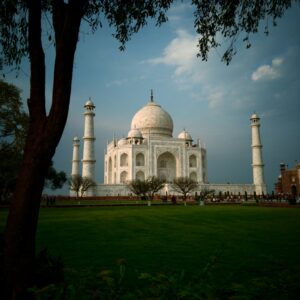
    • World Wonders: The Taj Mahal—a marvel of love and artistry—and two more UNESCO World Heritage Sites pack Agra’s compact landscape.
    • Mughal Splendor: Once the capital of India’s powerful Mughal dynasty, Agra is a living museum of art, gardens, poetry, and grand architecture.
    • Vivid Local Life: Experience old-world markets, vibrant festivals, and crafts that keep history alive in daily routines.

Whether you’re a culture lover, foodie, history buff, or romantic, Agra offers an immersive, multi-sensory adventure.

Culture & Heritage: The Mughal Heartland

A Tapestry of Time

Agra’s history is a sweep of empires—mythology names it “Agrevana,” and its modern form began with Raja Badal Singh, but its transformation came with the Mughal conquest. Empires—Lodhi, Mughal, British—layered the city with monuments, customs, and crafts.

Key Features:

    • Mughal Influence: Flourishing in the 16th–17th centuries, Agra became a nerve center of poetry, art, music, gardens, and, above all, architectural innovation.
    • A Nexus of Faiths: Temples, mosques, shrines, and churches co-exist, echoing centuries of rulers and communities.

Traditions Surviving Today:

    • Lavish wedding rituals, Sufi music performances, and the daily paan (betel leaf) offer—a Mughal-era tradition of hospitality.
    • The love of poetry, craft, and culinary artistry, preserving a centuries-old way of life.
Must-See Attractions: Beyond the Taj

Attraction

Description

Highlights

Taj Mahal

UNESCO World Heritage Site; marble mausoleum symbolizing eternal love

Sunrise/sunset, inlay work, gardens

Agra Fort

Massive red sandstone fortress, former Mughal capital and palace

Palaces, mosques, views of Taj

Fatehpur Sikri

Akbar’s walled “ghost capital” 40 km away; extraordinary Mughal town

Buland Darwaza, palaces, Sufi tomb

Itmad-ud-Daulah

First marble tomb of India, called “Baby Taj”

Delicate inlays, serene gardens

Mehtab Bagh

Geometric riverside garden, best Taj view at sunset

Reflection pools, tranquility

Jama Masjid

Grand 17th-century mosque, bustling local scene

Arched entrances, bazaars

Chini-ka-Rauza

Unique Persian-tiled tomb for poet Afzal Khan

Blue tilework, quiet setting

Akbar’s Mausoleum

Ornate tomb complex in Sikandra, north of central Agra

Deer park, Mughal design

Pro tip: Factor in heat and crowds—early mornings and late afternoons are most comfortable for sightseeing.

The Food Scene: What—and Where—to Eat

A Culinary Legacy

Agra’s food is legendary, shaped by centuries of Mughal refinement and North Indian exuberance. Every meal here tells a story of conquest, courtly feasts, and the mingling of cultures.

Must-Try Dishes in Agra:

    • Petha: Translucent sweet made from ash gourd; available in many flavors. Petha shops near Taj Ganj and Sadar Bazaar.
    • Bedai & Jalebi: Spicy puri-bread with potato curry and syrupy coils of jalebi—Agra’s signature breakfast.
    • Mughlai Cuisine: Kebabs (seekh, shami), Nihari (rich stew), Korma, Tandoori chicken, aromatic biryanis—dishes that echo imperial banquets.
    • Agra Chaat: Try Bhalla, Dahi Papri, Raj Kachori, Gol Gappe at Chaat Gali (Sadar Bazaar and areas near Agra Fort).
    • Dal Moth: Spicy, crunchy lentil and nut mix—great snack or souvenir.
    • Kulfi: Creamy, dense traditional ice cream; pistachio and mango flavors are local favorites.
    • Parathas: Layered, fried breads with savory or spiced fillings.

Where to Eat It

    • Street Food: Sadar Bazaar, Chaat Gali, Fatehabad Road, and stalls near Agra Fort and the Taj.
    • Classic Restaurants: Pinch of Spice (Mughlai specialties), Ram Babu Paratha Bhandar, Dasaprakash (veg thali).
    • Cafés: Taj Ganj rooftops for a meal with a Taj view.
    • Sweets Shops: Panchhi Petha (petha), Prakash Kulfi (kulfi), local halwai (sweet shops) for jalebis and gajar ka halwa.
Shopping, Arts & Crafts

Agra is a treasury of Mughal-era crafts and shopping experiences:

    • Marble Inlay (Pietra Dura): Impressive floral designs in semi-precious stones—shop at government emporiums or local workshops near Fatehabad Road.
    • Zari Embroidery: Gold and silver threadwork on saris and textiles, a legacy of royal patronage.
    • Leatherwork: Agra’s shoes, bags, belts, and jackets are famous across India—Kinari Bazaar and Sadar Bazaar are reliable places to seek bargains.
    • Carpets & Rugs: Hand-knotted, often exported worldwide.
    • Jewelry & Gemstones: Mughal-inspired designs and precious stones—shop at well-known jewelers in Agra Cantonment or Fatehabad Road.
    • Petha & Dal Moth: Take home edible souvenirs from Panchhi Petha and local shops.

Market Hotspots: Kinari Bazaar (bustling for ornaments, spices, bridal goods), Sadar Bazaar (street food, leather, and sweets), and Fatehabad Road (handicrafts, emporiums).

Traditions, Festivals & Everyday Life

Agra’s vibrant street life reveals its deep-rooted traditions and cosmopolitan past:

    • Festivals: Taj Mahotsav (a 10-day celebration of crafts, culture, and food every Feb), Diwali (festival of lights), Eid (grand feasts, especially in Old Agra), Holi (colors and sweets everywhere).
    • Weddings: Rich with music, dances, henna, and lavish feasts—a spectacle if you’re lucky enough to witness one.
    • Music & Poetry: Hear Sufi qawwali at local shrines or spot performances in the chowk during festivals.
    • Paan Culture: Chewing betel leaf, offered in shops and at ceremonial events.

In daily life, Agra’s people blend Mughal sophistication with UP’s welcoming spirit—always ready to share a story, a smile, or a serving of chaat.

Insider Tips for a Smooth Visit
    • Entry & Tickets:
      • Taj Mahal is closed Fridays (open sunrise to sunset all other days).
      • Book tickets online to skip lines at major sites (especially the Taj Mahal).
    • Best Time to Visit: October–March for the most enjoyable sightseeing weather.
    • Dress Code: Modest attire is recommended, especially at religious and heritage sites.
    • Getting Around: Auto-rickshaws are convenient (negotiate fares!), but consider pre-booked cabs for longer trips (like Fatehpur Sikri).
    • Local Etiquette: Remove shoes before entering mosques, tombs. Ask before photographing people or inside religious spaces.
    • Language: English is widely spoken at hotels and monuments; basic Hindi helps with bargaining in bazaars.
    • Safety: Keep belongings secure in crowded places; only eat at reputable stalls for street food; bottled water is a must.
Essential Agra Tour Plan for First-Time Travelers

Day 1: Classic Agra

    • Early Morning: The Taj Mahal
      • Arrive just before sunrise for ethereal light and fewer crowds.
      • Marvel at the marble inlays, intricate calligraphy, and lush gardens; listen to a licensed local guide for fascinating stories.
    • Late Morning: Breakfast & Sadar Bazaar
      • Treat yourself to Agra’s classic street breakfast: Bedai & Jalebi at a famous sweet shop.
      • Stroll Sadar Bazaar for souvenirs, petha (local sweet), and colorful sights.
    • Midday: Agra Fort
      • Explore Akbar’s mighty citadel—a maze of palaces, gardens, audience halls, and hidden corridors.
      • Photograph the Taj Mahal from its “Musamman Burj” balcony.
    • Afternoon: Itmad-ud-Daulah (“Baby Taj”)
      • Visit this exquisite marble tomb for intricate pietra dura work and tranquil gardens.
    • Evening: Mehtab Bagh
      • Watch the sun set behind the Taj from across the Yamuna River for breathtaking views.

Day 2: Agra’s Heritage & Culture

    • Morning: Fatehpur Sikri Day-trip
      • A 40-min drive transports you to Akbar’s breathtaking “ghost city.” Roam through palaces, Sufi shrines, and epic gateways.
    • Afternoon: Jama Masjid & Kinari Bazaar
      • Admire the city’s immense Mughal mosque and wander Kinari Bazaar for spices, embroidery, and handicrafts.
    • Evening: Culinary Street Walk
      • Enjoy a food tour in Chaat Gali—sample chaats, samosas, bhalla, and kulfi for a fitting finish.

Optional Add-ons:

    • Visit Akbar’s Mausoleum (Sikandra), Chini-ka-Rauza, or local art workshops.
    • Attend Taj Mahotsav festival or an evening Sufi music event.
Agra’s Enduring Magic

Agra is not just a stop between Delhi and Jaipur—it is the pulse of the Golden Triangle, a living museum of love, ambition, artistry, and mouthwatering flavor. Stand before the Taj Mahal at dawn, feel the cool marble and the weight of history; get lost in Mughal palaces; barter for handicrafts in centuries-old bazaars and taste the spicy-sweet explosion of bedai and chat on your tongue.

Let Agra open your eyes to India’s dazzling contrasts—where the past lives alongside the present, and every lane, plate, and smile tells a new story. No matter where your journey takes you beyond the Golden Triangle, memories of Agra will shine as bright as the marble of its legendary Taj.

Pack your curiosity, your appetite, and your sense of wonder—Agra is ready to welcome you.