The Ultimate Guide to India’s Golden Triangle

Discovering the Golden Triangle: A First-Timer’s Journey

Why the Golden Triangle Is the Heart of India

If you’re dreaming of a journey that captures the soul of India—a place where history meets vibrance, and ancient glory blends with the pulse of the present—the Golden Triangle is your gateway. More than a route; it’s a rite of passage for every traveler seeking to truly feel India’s magic.

Linking Delhi, Agra, and Jaipur, this circuit is a journey through India’s dazzling contrasts, where centuries-old wonders sit beside lively markets and bustling modernity. For first-time travelers, the Golden Triangle offers an immersive glimpse into the country’s rich culture, breathtaking architecture, and warm hospitality.

What Is the Golden Triangle and why is it so special?

Think of it as India distilled: a journey through centuries, dynasties, and experiences. Here’s why this circuit is at the core of India’s travel lore:

    • Rich Historical Tapestry: Each city is a living museum, boasting UNESCO heritage sites, Mughal palaces, and vibrant markets.
    • Cultural Immersion: It’s a crash course in Indian traditions, food, crafts, and festivals.
    • Accessible Adventure: The route is well-connected by road, rail, and air—with each city around 200–250km apart—making for smooth travel and plenty of time to soak in the sights.
    • Unbeatable Experiences: From sipping chai in an old Delhi alley to marveling at the ethereal beauty of the Taj Mahal at dawn, the memories you’ll create here will be unforgettable.

The Golden Triangle forms a nearly equilateral triangle on the map, connecting three of North India’s most iconic cities:

    • Delhi: The vibrant, sprawling capital with a blend of ancient and modern.
    • Agra: Home to the Taj Mahal, a monument to love and Mughal grandeur.
    • Jaipur: Rajasthan’s pink-hued city of palaces, bazaars, and heroic history.

Each leg of the journey is roughly 200–250km, making it ideal for 5–10 day trips by road or rail.

Best Time to Visit

    • October–March (Winter): Best weather (10–25°C), vibrant festivals like Diwali and Holi, crystal-clear skies. Highly recommended for sightseeing and outdoor dining. Tip: Book early, as this is peak season.
    • April–June (Summer): Hot (sometimes above 40°C), but less crowded—great deals for hotels, yet sightseeing can be tough mid-day. Stay hydrated and plan activity for mornings/evenings.
    • July–September (Monsoon): Rains bring lush greenery and fewer tourists, but heavy showers may disrupt travel. Good for photographers and budget travelers. Carry rain gear and expect occasional waterlogged streets

Route Overview & Planning:

Here’s a snapshot to kickstart your planning:

City:                                          Delhi
Highlight Attractions:      Red Fort, Qutub Minar, India Gate, Lotus Temple
Unique Experience:          
Street food walk in Old Delhi, Heena application on hand
Suggested Days:               
2–3 days 

City:                                          Agra
Highlight Attractions:      Taj Mahal, Agra Fort, Fatehpur Sikri
Unique Experience:          
Agra Sunrise at Taj Mahal
Suggested Days:               
1-2 days 

City:                                          Jaipur
Highlight Attractions:      Amber Fort, Hawa Mahal, Nahargarh Fort
Unique Experience:          
Elephant ride at Amber Fort, dressed up photoshoot
Suggested Days:               
2–3 days 

Delhi: Where Old Meets New

The Allure of Old Delhi

Old Delhi, established as Shahjahanabad by Mughal emperor Shah Jahan in the 17th century, is a living canvas of India’s past. Here, narrow winding lanes lead to majestic heritage sites such as the Red Fort (Lal Qila), a UNESCO World Heritage Site and symbol of India’s rich Mughal history. Nearby stands the Jama Masjid, India’s largest mosque, which welcomes both worshippers and tourists to admire its grand courtyard and intricate design.

Wandering through the chaos of Chandni Chowk—one of the city’s oldest and busiest markets—visitors encounter a riot of colors, fragrances, and sounds. Rickshaw rides here are iconic, weaving past spice vendors, street food stalls, and remnants of old havelis (traditional mansions). Heritage walks in this area often highlight hidden gems, like the atmospheric Agrasen ki Baoli (an ancient stepwell) and the storied spice market of Khari Baoli.

The Charm of New Delhi

In stark contrast, New Delhi—planned by British architect Sir Edwin Lutyens in the early 20th century—welcomes visitors with grand boulevards and stately buildings like the Parliament HouseRashtrapati Bhavan (Presidential Residence), and the war memorial India Gate. These icons of modern India showcase impressive colonial and contemporary architecture. Kartavya Path, formerly known as Rajpath, is a stunning ceremonial boulevard in the heart of New Delhi, stretching from Rashtrapati Bhavan to India Gate. Visitors enjoy picturesque walks along lush lawns, stunning evening lighting, grand historic buildings, fountains, and lively street food stalls. It’s famed for national celebrations and offers breathtaking views of key landmarks, making it a must-visit spot

Modern attractions abound: the Lotus Temple, known for its serene lotus-shaped design, is a symbol of unity and peace. Gurudwara Bangla Sahib offers cultural immersion and spiritual respite, while expansive green spaces like Lodi Gardens and Nehru Park provide natural beauty amid urban life. Sleek malls, stylish cafes, and nightlife venues further enhance New Delhi’s cosmopolitan spirit.

Must-See Sights

    • Red Fort: Soak up the grandeur of Mughal architecture—a symbol of India’s tumultuous history.
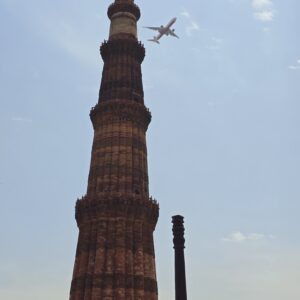
    • Qutub Minar: The world’s tallest brick minaret, surrounded by atmospheric ruins.
    • Jama Masjid: India’s grandest mosque; the southern minaret rewards you with sweeping city views.
    • India Gate: A poignant World War I memorial, glowing beautifully by night.
    • Lotus Temple: A vision of modern serenity—perfect for moments of reflection.

Experiences for First-Timers

    • Old Delhi Food Walk: Savour parathas, jalebis, and chai at century-old stalls.
    • Rickshaw Ride in Chandni Chowk: Brave the bustling bazaar — a sensory overload of spices, fabrics, and energy.
    • Shopping: Dilli Haat for handicrafts, Khan Market for boutique finds.

Let Delhi’s contrasts teach you resilience and curiosity. Don’t shy away from the unexpected: the chaos, the beauty, the voices. Every interaction—whether haggling in a bazaar or swapping smiles over masala chai—reveals a facet of Delhi’s soul.

Practical Tips

  • Pre-arrange your airport pick-up for peace of mind.
  • Dress modestly, especially in religious places.
  • Use trusted cab apps for safe journeys.

Click here to Read More >>

Agra: Mughal Majesty & Timeless Romance

Next stop: Agra, home to the world’s greatest ode to love, the Taj Mahal.

Agra is a place where romance is etched in marble and every experience draws you deeper into the city’s rich history and vibrant culture. Here are my top human-centered recommendations to make your Agra adventure unforgettable.

Taj Mahal at Sunrise
Nothing matches the ethereal beauty of the Taj Mahal in the glow of dawn. Arriving before sunrise offers soft lighting, fewer crowds, and a magical, intimate atmosphere for your first glimpse of this monument to love. Early visits also make photography more rewarding and allow moments of quiet reflection.

Agra Fort and Musamman Burj
This palatial red sandstone fort is a must for history lovers, with its intricate courtyards and the legend-filled Musamman Burj, where Shah Jahan was imprisoned and gazed out at his beloved Taj. Exploring the fort gives context to Mughal opulence and a deeper emotional link to Agra’s romantic stories.

Fatehpur Sikri
A short drive from Agra, this ‘ghost city’ resonates with Mughal splendor and mysterious beauty, offering both architectural marvels and atmospheric strolls far from city crowds. It’s ideal for travelers eager to step back in time and imagine the grandeur of an empire faded into legend.

Sights Not to Miss

    • Taj Mahal: The world’s most famous monument to love. Witness the changing hues at sunrise — line up early for the best experience.
    • Agra Fort: Explore palatial complexes and the legendary Musamman Burj.
    • Fatehpur Sikri: Ghostly beauty and Mughal splendor (a short drive away).

Experiences for First-Timers

1. Hire a Local Guide – Travel Deeper, See Further
: Elevate your Agra experience beyond guidebooks by hiring a government-approved local guide at official monument entrances. They’ll share not just the history, but the love, drama, and secrets of the Taj Mahal, Agra Fort, and Fatehpur Sikri. A knowledgeable guide unlocks authentic, unforgettable stories hidden in every stone.

2. Taste Agra’s Famed Petha: No visit to Agra is complete without tasting petha—especially at the original Panchhi Petha in Sadar Bazaar. Also try Munna Lal’s orange petha and Pracheen Petha’s classic sweets for memorable souvenirs.

3. Shop for Marble Inlay Work & Handicrafts in Sadar Bazaar: Sadar Bazaar, Agra’s vibrant craft hub, offers exquisite marble inlay art, leather goods, rugs, and jewelry. Enjoy bargaining and engaging with artisans who proudly share their ancestral craftsmanship. Perfect souvenirs await!

Tips for Agra

    • The Taj Mahal is closed on Fridays for prayers—plan your visit accordingly.
    • Buy tickets online in advance to skip the line, and carry a printed or digital QR ticket for smooth entry.
    • Major monument tickets (including the Taj) generally include shoe covers and bottled water—use them, and carry an extra pair of socks for comfort when you remove your shoes to enter sacred areas.
    • Travel light: Only small bags are permitted inside the Taj Mahal, and you’ll clear security faster without backpacks or food items.
    • Beware of touts: Stick to official guides and authorized shops—don’t fall for claims of being the ‘only real’ or ‘government approved.’ Your best bet is to book guides and tickets at the entrance counters.
    • Negotiate with rickshaw and taxi drivers or pre-arrange hotel pick-ups to avoid inflated fares or detours.

Click here to Read More >>

Jaipur: Rajasthan’s Royal Marvel — Your Pink City Adventure Awaits

Step foot in Jaipur, and you step into a world where regal palaces glow pink in the morning sun, bustling bazaars overflow with color, and every alley echoes with legends of Maharajas. From towering forts to block-printed kurtas, Jaipur is both a feast for the senses and a celebration of Rajasthan’s indomitable spirit. If you’re dreaming of a city break where every moment feels larger-than-life, Jaipur begs to be your next destination. Must-Visit Attractions

1. Amber Fort: Majesty on the Hill Amber Fort, atop Aravalli hills, offers city views, Sheesh Mahal mirrorwork, and an evocative sound-light show celebrating Rajasthan’s history.

2. Hawa Mahal (“Palace of Winds”): Photographers’ Paradise Hawa Mahal features a honeycomb façade with 953 windows, built in 1799 for royal women. Stunning at sunrise, perfect for photos.

3. City Palace: Royalty, Art, and Living History City Palace, Jaipur’s royal residence and museum, showcases opulent courtyards, dazzling costumes, armor, carriages, and miniatures revealing rich history.

4. Jantar Mantar: Astronomical Brilliance Jantar Mantar, built in 1734 by Maharaja Jai Singh II, features the largest stone sundial and astronomical instruments for eclipse predictions.

5. Jaigarh & Nahargarh Forts: Sunset with a View Jaigarh Fort, once guardian of royal treasures, and Nahargarh, famed for sunset vistas, offer peaceful photography spots above Jaipur’s pink city.

6. Bazaar Trails: Shop Like Royalty Johari Bazaar entices with its 2km stretch of jewelry, crafts, and bridal fashion, while Bapu Bazaar overflows with block-print kurtas, quilts, juttis, and handlooms—bargain hard for authentic, affordable souvenirs.

Experiences to Remember
    • Watch traditional puppet shows and folk dances like Ghoomar and Kalbeliya at venues such as Chokhi Dhani, celebrating Rajasthan’s living heritage.
    • Embark on a hot air balloon ride over Amber at sunrise, witnessing forts and hills bathed in golden light—a magical moment for couples and adventurers.
    • Join a hands-on block printing workshop and craft your own textile keepsake with local artisans.
    • Wander through Johari and Bapu Bazaars for jewelry, spices, textiles, and souvenirs—haggle to uncover unique treasures.
Jaipur Survival Guide: Insider Tips
    • Tourist “tax” is real: Street prices and taxi fares often have a “tourist markup.” Bargain confidently, compare prices, and don’t be afraid to walk away.
    • Shopping Wisdom: Start bargaining at about one-third the quoted price; shop early in the day for quieter lanes.
    • Book Palace Tickets Online: During peak months (October–March), avoid queues at Amber Fort or City Palace by booking entry tickets in advance.
    • Block Printing: Workshops abound, but check reviews for authenticity and book ahead in high season.
    • Cultural Etiquette: Dress modestly for temple and palace visits; always ask permission before photographing people.
Jaipur isn’t just a city of monuments—it’s a living, breathing stage where everyone is welcome to play a part. Swap stories with a craftsman in Johari Bazaar, twirl with folk dancers, or sip chai as life bustles around you at a local corner shop. Every doorway reveals a new scene, every meal is a feast, and every sunset over Amber or Nahargarh fort reminds you that, here, the extraordinary is everyday. Click here to Read More >>
Travel & Logistics 

Getting Around

    • By Road: Plenty of buses and comfortable private taxis (ideal for flexibility).
    • By Rail: Extensive and affordable train options. Book in advance for best classes.
    • Private Tours: Many operators offer customizable packages.

Where to Stay

City: Delhi

      • Budget: Comfortable guesthouses in Paharganj / Karol Bagh
      • Mid-Range: Boutique hotels in Connaught Place
      • Luxury: Heritage hotelsor  5-star chains

City: Agra

      • Budget: Backpacker hostels
      • Mid-Range: Taj Ganj hotels
      • Luxury: Taj-view luxury hotels

City: Jaipur

      • Budget: Hostels, homestays
      • Mid-Range: Heritage havelis
      • Luxury: Palace hotels, resorts

Health & Safety

    • Drink only bottled or filtered water.
    • Carry hand sanitizer and a basic medical kit.
    • Respect local customs and ask before photographing people.

Culture Shocks & Marvels: What to Expect

    • Crowds & Chaos: Parts of the Golden Triangle are bustling and intense; embrace it as part of the adventure.
    • Color Everywhere: From textiles to turbans, India dazzles in every hue.
    • Senses on Overload: Spices, honking horns, music, and scents fill the air.
    • Endless Kindness: Locals are curious and welcoming; a simple “namaste” opens many doors.
Golden Triangle Itinerary Suggestions

Classic 7-Day Itinerary

Day 1–2: Delhi (Red Fort, Qutub Minar, Old Delhi markets)

Day 3: Agra (Taj Mahal at sunrise, Agra Fort, Mehtab Bagh)

Day 4: Fatehpur Sikri, then travel to Jaipur

Day 5–6: Jaipur (Amber Fort, Hawa Mahal, City Palace, bazaars)

Day 7: Return to Delhi or onward travel

Extended 10-Day Itinerary

Add:

    • Day trips to Mathura (Krishna’s birthplace) from Agra
    • Heritage walks or a rural village tour near Jaipur
    • Food and market explorations in South Delhi
Special Experiences for Every Traveler
    • Solo Travelers: Look for group walking tours or culinary classes – great for new friendships.
    • Families: Theme parks in Delhi and elephant encounters in Jaipur are kid-friendly.
    • Couples: Sunset at the Taj Mahal or a romantic dinner in Jaipur’s City Palace.
Frequently Asked Questions

Is the Golden Triangle safe for solo or female travelers?
Yes—just use the same street smarts you would anywhere: avoid traveling late at night alone and use registered transport.

Can I visit all three cities with one visa?
Yes; all are within northern India and require no extra permits beyond a regular visa.

What should I pack?
Light, breathable clothing (modest for sites), medications, sunscreen, comfortable shoes, and a sense of adventure.

What are some local specialties to try?

      • Delhi: Butter chicken, chaat, parathas.
      • Agra: Mughlai cuisine, petha, kachori.
      • Jaipur: Ghewar, laal maas, kachori, sweets.

Essential Hindi Phrases

      • Namaste: Hello
      • Dhanyavaad: Thank you
      • Kitne ka hai? How much is this?
      • Paani: Water
      • Shauchalaya: Bathroom
India’s Golden Triangle: A Once-in-a-Lifetime Journey

For first-time visitors, the Golden Triangle promises a whirlwind of color, history, and heart. Every alley hides a story, every sunrise glints off a monument, and every meal becomes a memory. Arrive with curiosity and leave with a suitcase full of stories and new perspectives.

With this guide in hand, you’re all set to dive into a land of contrasts and wonder—a golden experience awaits you, just around the next corner.
Delhi Travel Guide: 10 Essential Tips for First-Time Tourists

What Every First-Time Visitor Needs to Know

Welcome to the start of your Golden Triangle adventure! As India’s ever-thriving capital, Delhi serves as your captivating gateway into the incredible blend of history, culture, and culinary delights that define this legendary route. For first-time visitors, navigating Delhi is like unfolding the vibrant tapestry of India itself-each layer reveals a story, a taste, and a wonder. Here’s your in-depth, immersive guide to experiencing Delhi in all its variety and splendor.

Delhi as the Beating Heart of India

Delhi is where ancient glories and 21st-century aspirations meet. With a legacy stretching back to the Mahabharata and layers built by successive empires-Hindu, Mughal, and British-the city pulses with stories, traditions, festivals, and contradictions. This is where:

    • Crumbling Mughal havelis neighbor glassy skyscrapers.
    • Sufi qawwali drifts from medieval mosques, while indie music fills contemporary cafes.
    • Street food that’s a feast for the senses competes with world-class fine dining.

A journey here is not just sightseeing-it’s an all-in, immersive plunge into India’s living history.

The Cultural and Heritage Landscape

Delhi: Where History Breathes with the Present

Monument

Heritage Origin

Style & Significance

Red Fort

Mughal

Walled palace-fort, center of power (1648 CE)

Jama Masjid

Mughal

Asia’s largest mosque, begun 1656 CE

Qutub Minar

Sultanate

73m minaret, Indo-Islamic carvings

Humayun’s Tomb

Mughal

First garden mausoleum of India (1570 CE)

India Gate

Colonial

Triumphal arch and WWI memorial

Lotus Temple

Modern

Baháʼí, flower-like, open to all faiths

Akshardham Temple

Modern

Ornate Hindu temple, cultural complex

Purana Qila

Afghan/Mughal

Oldest fort, scenic moat, boat rides

Layers of Civilization

    • Ancient and Medieval Roots: Founded at least eight times since the Mahabharata, Delhi’s landmarks include remnants from the Tomar, Chauhan, Sultanate, and Mughal dynasties.
    • Mughal Magnificence: Jama Masjid, Red Fort, Humayun’s Tomb, and Purana Qila (Old Fort) are enduring symbols.
    • Colonial Grandeur: Rashtrapati Bhavan (President’s House), India Gate, the Parliament buildings, and broad tree-lined avenues showcase British-era planning.

Architectural Marvels

These “layers” are seamlessly woven together: a Sufi dargah stands beside a chic café; ancient tombs nestle in parks where kids play cricket.

Artistic and Spiritual Culture

    • Miniature Painting: The city celebrates a living Mughal tradition through art and craftsmanship.
    • Qawwali: Experience soul-stirring Sufi music at Nizamuddin Dargah, especially on Thursday nights.
    • Inclusive Spirit: Delhi’s composite culture flourishes through Hindu temples, Mughal mosques, Sikh gurdwaras, Christian churches, and more-all in daily use.
A Culinary Adventure: Delhi’s Food

Delhi doesn’t just feed you-it tells you its story bite by bite.
From world-famous street snacks to regal Mughlai banquets, the city’s food scene is worth crossing continents for.

Street Food Wonders

Dish

Description

Where to Try

Chole Bhature

Spicy chickpeas with fluffy fried bread

Sita Ram Diwan Chand, Paranthe Wali Gali

Paranthe

Stuffed flatbreads, often with potato or paneer

Paranthe Wali Gali

Aloo Tikki

Spicy potato patties, crisped and served with chutneys

Chandni Chowk, Karol Bagh

Chaat

Tangy medley of wafers, potatoes, yogurt, and spice

Natraj Chaat Bhandar, Bengali Market

Kulfi Faluda

Frozen dairy dessert with vermicelli

Kuremal Mohan Lal Kulfiwale

Ram Ladoo

Lentil fritters topped with radish and chutney

Lajpat Nagar, Sarojini Nagar

Golgappa
(Pani Puri)

Crispy shells with spicy water and fillings

Street stalls citywide

Delhi’s street food reflects the city’s melting-pot culture-Punjabi, Mughlai, Rajasthani, Bengali, South Indian, Tibetan, and more all find their place on the plate.

Mughlai & North Indian Classics

  • Butter Chicken: Creamy, tomato-gravy perfection-taste its origins at Moti Mahal.
  • Kebabs: Seekh kebabs, shami, galouti-succulent, spiced meats grilled over charcoal (head to Karim’s in Old Delhi for the most legendary experience).
  • Biryani: Delhi adds its own rich, spicy twist to this pan-Indian favorite.
  • Kathi Rolls: Succulent fillings wrapped in soft parathas-available at Khan Chacha in Connaught Place.

Modern Cafés and Global Dining

The city’s western-style cafés and specialty restaurants serve everything from world cuisines to creative Indian fusions. Hotspots include Khan Market, Connaught Place, and Hauz Khas Village.

Must-See Attractions with Insider Insights

Old Delhi

    • Jama Masjid:
      • Climb a minaret for panoramic city views.
      • Visit during prayer time for atmosphere—but dress modestly and remove shoes.
    • Red Fort:
      • Don’t miss the sound and light show at dusk.
      • Explore the museums inside for in-depth Mughal history.
    • Chandni Chowk:
      • Ride a rickshaw; the narrow, teeming alleys are best navigated with a local.
      • Top stops: Paranthe Wali Gali, Khari Baoli (spice market), Gali Kababiyan (kebabs), Sunehri Masjid.

New Delhi

    • Qutub Minar Complex:
      • Marvel at towering brickwork and intricate script.
      • Don’t miss the Iron Pillar, famed for its 1,600-year rust-free survival.
    • Humayun’s Tomb:
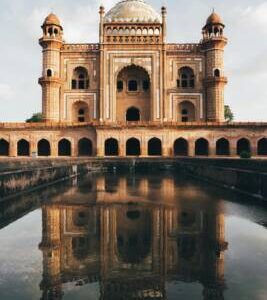
      • Stroll the beautiful gardens-a peaceful, less-crowded Taj precursor.
    • India Gate:
      • Join locals in the evening for ice cream and people-watching.
      • Reflect at the Amar Jawan Jyoti, an eternal flame for India’s fallen soldiers.
    • Rashtrapati Bhavan & Parliament:
      • Guided tours of the President’s House can be booked in advance.
      • Admire British architecture and ceremonial boulevards.
    • Lotus Temple:
      • Meditate in silence, regardless of your faith or beliefs.
      • The garden and reflecting pools are perfect for a contemplative stroll.

Off the Beaten Path

    • Lodi Gardens:
      • A lush park featuring Sultanate tombs; popular for picnics, yoga, and birdwatching.
    • Dilli Haat:
      • Rotating stalls feature regional crafts and foods-great spot for souvenir shopping and a meal.
    • Hauz Khas Village:
      • Trendy restaurants and boutiques surround medieval ruins and a peaceful lake.
Festivals, Traditions, and Local Life

Delhi’s Multicultural Spirit

Delhi hosts every festival imaginable, from Diwali (Hindu festival of lights) to Eid, Christmas, and Sikh celebrations. If your trip aligns with major festivals, don’t miss the vibrant processions, fireworks, and special foods that fill the city.

Celebrations to Catch

    • Republic Day Parade (Jan 26): Military pageantry and cultural floats.
    • Holi (Spring): Explosion of colors-join public events for safe celebration.
    • Diwali (Autumn): Watch the city come alive with lights, sweets, and fireworks.
    • Eid & Ramadan: Fragrant feasts, especially around Jama Masjid and Old Delhi.

Arts, Music, and Nightlife

    • Catch a classical Indian concert at Kamani Auditorium.
    • Experience Sufi qawwali at Nizamuddin on Thursday evenings.
    • Delhi’s nightlife is cosmopolitan-bars, live music venues, and night bazaars populate Connaught Place and South Delhi.
Essential Tour Plan for Delhi

Day 1: Dive into Old Delhi’s Heritage & Flavors

    • Morning:
      • Jama Masjid: Start your day at India’s largest mosque for its spiritual calm and sweeping Old Delhi panoramas.
      • Rickshaw ride through the winding streets to Chandni Chowk.
    • Midday:
      • Red Fort (Lal Qila): Marvel at the UNESCO-listed Mughal fortress, site of India’s historic Independence Day address-explore museums, vast courtyards, and sound-and-light shows.
      • Spice Market (Khari Baoli): Experience the pungent heart of Asia’s largest spice bazaar, perfect for photography and sensory overload.
    • Afternoon:
      • Street Food Crawl (Chandni Chowk): Taste parathas at Paranthe Wali Gali, sip masala chai, and try mouthwatering chaat at famous old eateries.
    • Evening:
      • Raj Ghat: Meditate at the serene memorial to Mahatma Gandhi.
      • Dinner in Connaught Place: Popular hub for restaurants serving both Indian classics and global cuisine.

Day 2: New Delhi’s Monuments, Parks, & Modern Markets

    • Morning:
      • Qutub Minar: Explore the world’s tallest brick minaret and its Indo-Islamic architecture in lush archaeological grounds.
      • Lotus Temple (Baháʼí House of Worship): Absorb the peaceful, flower-like structure open to all spiritual paths.
    • Afternoon:
      • Humayun’s Tomb: Step into the Mughal garden tomb that inspired the Taj Mahal’s grandeur, encircled by tranquil lawns.
      • Lodi Gardens: Enjoy a serene stroll amongst scattered tombs, ancient trees, and jogging locals.
    • Evening:
      • India Gate: Visit at sunset, when the war memorial glows and crowds gather for picnics and photos.
      • Dilli Haat: Sample delicacies from across India at this handicraft-and-food market.

Shorter on Time?

    • Opt for sightseeing tours: Half- and full-day itineraries efficiently cover the essentials with knowledgeable guides and private transport.
    • The metro connects most major attractions-safe, affordable, and quick!
Tips for First-Timers
    • Best Time to Visit:
      • October to March offers the most pleasant weather.
    • Getting Around:
      • The Delhi Metro is reliable, inexpensive, and covers most sights.
      • Use registered taxis (Uber/Ola) or auto rickshaws. Traffic can be hectic-plan for extra travel time.
    • Health & Safety:
      • Stay hydrated (bottled water only) and go easy on the spice and street food if you’re not accustomed.
      • Dress modestly, especially when visiting religious sites.
    • Money & Shopping:
      • Bargain in local bazaars; upmarket stores in Khan Market or DLF Promenade offer fixed prices.
      • ATMs are plentiful, but cash is still preferred at small shops.
    • Cultural Courtesies:
      • Remove shoes before entering temples and mosques.
      • Ask permission before snapping portraits, especially in markets and of locals.              
Why Delhi Will Enrich and Excite You

Your first brush with Delhi is bound to be thrilling, intense, and more than a little overwhelming. Let it be! Allow curiosity to lead you through its maze-like alleys and wide avenues, through ancient ruins and neon-lit neighborhoods, and at every meal, delight in a new flavor. Delhi sets the stage for your Golden Triangle journey—a city that’s as creative and resilient as it is rooted in the past, as welcoming as it is energetic, and as unforgettable as India itself.

Welcome to Delhi: where every sight, sound, and taste is a new story waiting to be discovered.

“Delhi is not a city, but a world within itself, each street and stone chronicling a history untold.”

Safe Travels-and Bon Appétit!

The Traveler’s Guide to India

India is a destination that promises to ignite your senses, challenge your perspectives, and leave you with memories that last a lifetime. For beginner travelers, the subcontinent offers a tapestry of experiences – majestic monuments, vibrant festivals, spiritual journeys, and culinary adventures. But India is also a country of extremes, where beauty and chaos coexist, and where every day can bring both delight and surprise.

This comprehensive guide is designed to help beginner travelers prepare for their Indian adventure – what to expect, where to go, how to stay safe, and how to make the most of every moment.

Why India Feels Like a Roller Coaster
India is often described as a “Land of Contrasts”. You’ll find ornate temples, colorful festivals, and warm hospitality alongside bustling cities, chaotic traffic, and visible poverty. The diversity—cultural, geographical, and climatic—can be overwhelming at first. Expect to see cows on city streets, crowded train stations, and a blend of ancient and modern life at every turn.

For first-time visitors, especially those coming from Southeast Asia or the West, the experience can be a real culture shock. But behind the initial surprise lies a country that is deeply rewarding to explore.

The Good, the Bad, and the Unforgettable

Positive Experiences

  • Rich History & Spirituality: From the majestic Taj Mahal to the sacred Ganges in Varanasi, India’s heritage sites are captivating. Each region boasts its own unique history and religious traditions, from ancient Hindu temples and Mughal palaces to Buddhist monasteries and colonial churches.
  • Incredible Landscapes: The snow-capped Himalayas, Rajasthan’s deserts, Kerala’s backwaters, and Goa’s tropical beaches offer endless variety. Whether you seek adventure in the mountains, tranquility by the sea, or the lush greenery of the south, India’s natural beauty is astonishing.
  • Warm Hospitality: Beginner travelers will find Indians, especially in rural areas, to be friendly and eager to help. The spirit of “Atithi Devo Bhava” (the guest is God) is very much alive, and travelers are often welcomed with open arms.

Challenges

  • Crowds & Noise: Major cities are densely populated and can feel chaotic. Urban India is alive with honking horns, street vendors, and a constant buzz of activity.
  • Hygiene & Health: Some travelers experience stomach issues (“Delhi Belly”). Always drink bottled water, use it for brushing teeth, and avoid uncooked foods.
  • Safety for Women: While most visits are trouble-free, female travelers may occasionally face unwanted attention. Dress modestly, stay alert, and use common sense precautions.

Essential Tips for Beginner Travelers

Traveling by Train

Indian trains are an adventure in themselves. If using sleeper class, travel with a companion to watch your luggage. Book tickets in advance and keep valuables secure. Long train journeys are a quintessential Indian experience, offering a window into the country’s social fabric and landscapes.

Food

Indian cuisine is a highlight—try regional specialties like thali, dosas, and curries. Adjust gradually to spicy foods, and don’t hesitate to eat bland for a day if your stomach needs a break. Each state has its own culinary identity, so be sure to sample local dishes wherever you go.

Weather

India’s climate varies widely. Winters (December–February) are pleasant in most places but cold in the north. The monsoon (June–September) brings heavy rains, especially to Kerala and the northeast. Plan your itinerary around the weather for the best experience.

Festivals

India’s festivals are world-famous—Diwali (Festival of Lights) and Holi (Festival of Colors) are must-sees. Check festival dates before booking, as travel can be affected. Participating in a festival is an unforgettable way to experience India’s exuberant culture.

Where to Go: Top Destinations

India’s vastness means there’s no single “best” itinerary. Some highlights include:

Region/City Why Visit?
Delhi, Agra, Jaipur Iconic sites: Taj Mahal, forts, palaces
Varanasi Spiritual heart, Ganges rituals
Amritsar Golden Temple, Sikh hospitality
Rajasthan Desert landscapes, royal heritage
Kerala & Goa Backwaters, beaches, lush greenery
Himachal Pradesh, Uttarakhand Himalayan scenery, majestic mountains, trekking, cool summers
Karnataka, Tamil Nadu Ancient temples, rich traditions

Don’t hesitate to explore less-publicized regions—sometimes the most memorable experiences are off the tourist trail.

Is India Safe?
India is generally safe for tourists, including solo women travelers, provided you follow basic precautions:

  • Dress modestly, especially in rural or religious areas.
  • Avoid isolated areas after dark.
  • Use registered taxis or ride-hailing apps.
  • Trust your instincts and seek help if you feel uncomfortable.

Food & Health
Try everything, but be cautious: Enjoy street food from busy, reputable vendors.

  • Water: Only drink bottled or filtered water.
  • Medical kit: Carry basic medicines for stomach upsets and allergies.
  • Insurance: Comprehensive travel insurance is recommended.

Cultural Etiquette and Social Norms

  • Greetings: A respectful “Namaste” with hands pressed together is always appreciated.
  • Shoes: Remove shoes before entering temples and some homes.
  • Photography: Always ask before taking photos of people or inside religious sites.
  • Public Displays of Affection: These are generally frowned upon in public spaces.
  • Left Hand: The left hand is considered unclean; use your right hand for eating and giving or receiving items.

Navigating Indian Cities

  • Transport: Auto-rickshaws, taxis, and ride-hailing apps like Ola and Uber are widely available in cities.
  • Traffic: Be prepared for chaotic traffic; crossing streets requires confidence and patience.
  • Language: English is widely spoken in urban areas, but learning a few basic Hindi phrases can be helpful.

Unique Experiences for Beginner Travelers

  • Spiritual Journeys: Attend the evening aarti (prayer ceremony) on the Ganges in Varanasi or meditate in an ashram in Rishikesh. Or pray with monks at the monastries in Ladhak or Sikkim.
  • Wildlife Safaris: Spot tigers in national parks like Ranthambore or Bandhavgarh, Kaziranga National Park is a UNESCO World Heritage site and a conservation success story for the one-horned rhino.
  • Tea Plantations: Visit Darjeeling or Munnar for scenic tea gardens and cool mountain air.
  • Backwater Cruises: Experience Kerala’s tranquil backwaters on a houseboat. Sunsets here are unforgettable, with the sky ablaze in gold and crimson, mirrored perfectly in the still waters.
  • Cultural Immersion: Join a cooking class, take a Bollywood dance lesson, or participate in a local festival,  or try your hand at handloom weaving in a heritage village.

Packing Tips

  • Clothing: Lightweight, breathable fabrics for most regions; warm layers for the north in winter.
  • Shoes: Comfortable walking shoes or sandals.
  • Health: Bring sunscreen, insect repellent, and a basic first-aid kit.
  • Documents: Keep digital and physical copies of your passport, visa, and travel insurance.
  • Adapters: India uses types C, D, and M power plugs (220V).

Budgeting and Money Matters

  • Currency: Indian Rupee (INR)
  • ATMs: Widely available in cities; carry cash for rural areas.
  • Bargaining: Common in markets—negotiate politely.
  • Tipping: Expected in restaurants, hotels, and for drivers.

Visa and Entry Requirements

  • Visa: Travelers need a visa to enter India. Apply online for an e-visa or at the Indian embassy.
  • Documents: Ensure your passport is valid for at least six months from your date of entry.

India is not always easy, but it’s always fascinating. Most travelers, even after facing challenges, find themselves drawn back for more. The country’s diversity, depth, and hospitality leave a lasting impression. For Filipino travelers, India promises not just a holiday, but a journey of discovery that can change the way you see the world. Prepare well, keep an open mind, and let India surprise you. Whether you’re seeking spiritual growth, cultural immersion, adventure, or simply a new perspective, India is ready to welcome you with all its heart.

Let Panaceiaso turn your India travel dreams into reality—whether you’re exploring the Golden Triangle, seeking spiritual experiences, or discovering hidden gems across the country. Connect today and start planning a journey that’s truly your own.