
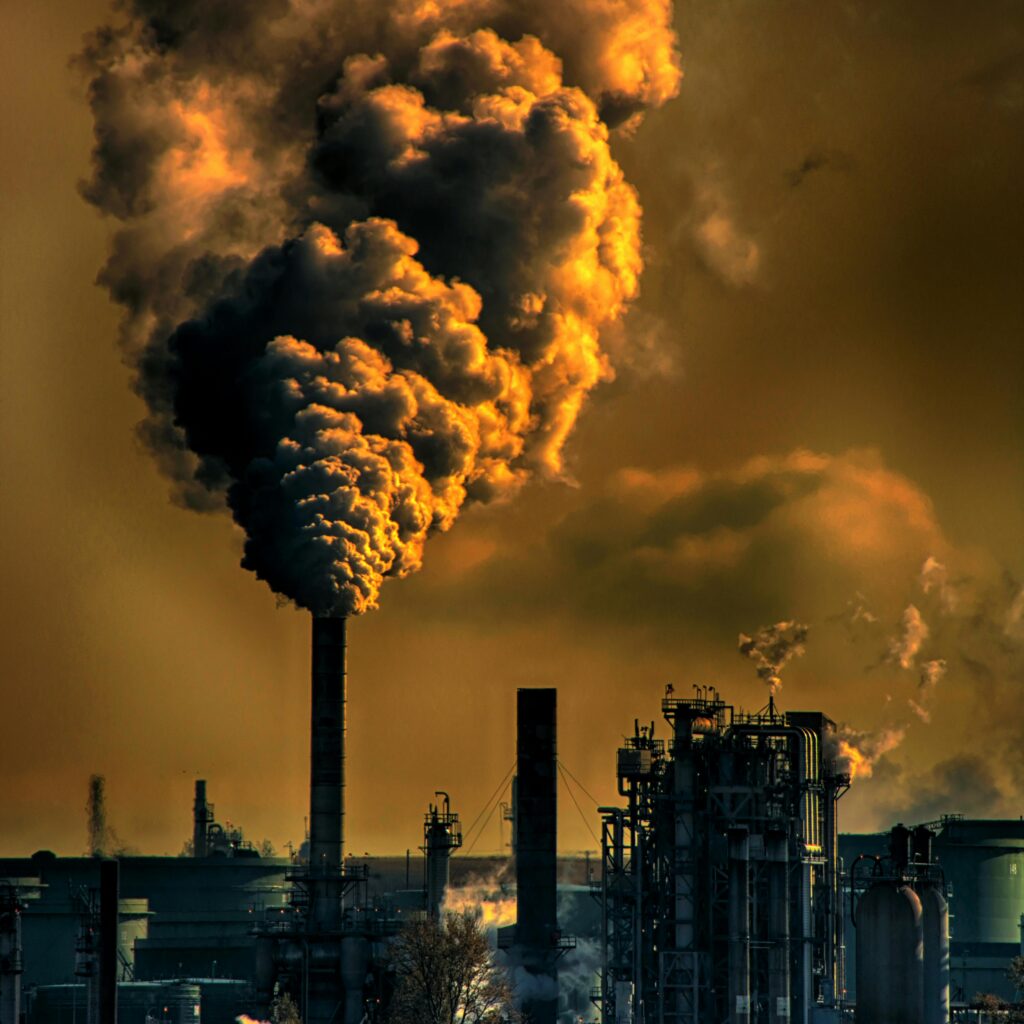
Air pollution in Delhi, India, has reached alarming levels, with fine particulate matter (PM2.5) concentrations reported to be 10.7 times higher than the World Health Organization’s (WHO) annual air quality guidelines. This situation is exacerbated every autumn, particularly during the paddy straw burning season, where farmers set fire to excess straw to clear land for new crops. The smoke from these fires combines with urban emissions, creating a thick haze that can be seen from space.
** The Autumn Crisis **
As temperatures drop and winds decrease, pollutants become trapped in the atmosphere, leading to a dramatic spike in air pollution levels. In early November 2023, this resulted in hazardous air quality that prompted school closures and health warnings across the region. The NASA satellite imagery captured the severity of the smoke pollution, illustrating how widespread the issue has become.
The health implications of such pollution are dire. PM2.5 particles, which are about one-thirteenth the width of a human hair, can penetrate deep into the lungs and enter the bloodstream. Studies suggest that breathing Delhi’s air could equate to smoking 25-30 cigarettes a day. The Air Quality Life Index indicates that current pollution levels could shorten the lifespan of nearly 40% of India’s population by an average of 7.6 years, while adhering to WHO guidelines could add 10 years to the lives of 240 million Indians.


** A Growing Problem **
Delhi’s air quality has consistently ranked among the worst globally, with recent reports placing it as the second most polluted city in the world according to IQAir. The situation worsened this year due to delayed monsoon rains and increased firecracker usage during Diwali—a festival celebrated with fireworks that further exacerbates air quality issues.
Government responses have included measures like an odd-even vehicle rule, limiting vehicle use based on license plate numbers, and restricting construction activities. Water-spraying trucks have been deployed to settle dust, but these efforts have had limited success in significantly reducing pollution levels.
** Innovative Solutions and Challenges Ahead **
In a bid to combat this persistent problem, Delhi’s Environmental Minister Gopal Rai has sought approval for cloud seeding, a technique that aims to induce rainfall by injecting clouds with salts to encourage condensation. While promising, this method requires specific conditions for effectiveness and raises questions about long-term environmental impacts.
Despite ambitious goals set by India’s National Clean Air Programme (NCAP) to reduce PM2.5 levels by 20-30% by 2024, progress has been inconsistent. As of 2023, many regions still experience unhealthy air quality, with approximately 1.6 million deaths attributed to air pollution annually in India.


** A Call for Comprehensive Action **
The challenges posed by air pollution in Delhi reflect broader issues faced by urban areas worldwide. Addressing these concerns requires not only localized efforts but also comprehensive strategies that extend beyond city limits. Collaborative initiatives involving government agencies, local communities, and international partners are essential for developing effective solutions.
As 2023 is likely to be recorded as one of the hottest years on record, urgent action is needed to tackle this environmental crisis. Failing to address air pollution not only threatens public health but also undermines economic growth and investment opportunities in India. The fight against air pollution is not just an Indian issue; it is a global challenge that demands immediate attention and collective action for a healthier future for all.