An Immersive Guide for First-Time Golden Triangle Travelers
Welcome to Jaipur – The Pink City-a vibrant jewel of Rajasthan and the third essential stop in India’s iconic Golden Triangle itinerary. For the first-time visitor, Jaipur offers a hypnotic mix of ancient royalty, architectural marvels, dazzling bazaars, and a food culture that is as rich and heady as its heritage. This detailed guide will help you dive deep into Jaipur, unveiling the stories behind its pink-hued facades, its regal traditions, and the unforgettable flavors that define Rajasthani hospitality.
Why Jaipur: The Gateway to Rajasthan’s Royal Past
Jaipur, founded in 1727 by Maharaja Sawai Jai Singh II, is the first planned city of India—designed on ancient principles of city planning (Vastu Shastra) and renowned for its grid-like streets and walled old city. The city’s famous pink hue, adopted in 1876 to honor a British royal visit, is a symbol of its legendary hospitality and continues to charm visitors today.
Highlights:
Gateway to Rajasthan’s regal culture, grand forts, and opulent palaces.
Bustles with markets full of handicrafts, gems, textiles, and art.
Combines centuries-old traditions with a dynamic, cosmopolitan vibe.
Jaipur’s Culture and Heritage
The Royal Legacy
Jaipur’s royal history is tied closely to the Kachhwaha Rajputs, whose passion for astronomy, art, and architecture reshaped the desert into a city of gardens and palaces. The city is a palimpsest: Rajput, Mughal, and British influences create a unique urban and cultural character.
Key Cultural Features:
Monumental forts, such as Amber and Nahargarh, that once guarded the Maharajas.
Palaces that housed not just kings and queens but courtly traditions, dancers, poets, and astronomers.
Living traditions of music, dance, and craftsmanship visible across the city.
Architecture: Where History Breathes
Amber Fort: Majestic hilltop fortress with intricate mirrorwork, mosaics, and marble palaces, blending Hindu and Mughal styles.
City Palace: Sprawling royal complex with courtyards, gardens, and museums—still home to the Jaipur royal family.
Hawa Mahal: The iconic “Palace of Winds” with a five-story pink sandstone façade and 953 jharokhas (windows), allowing royal women to watch street festivities unseen.
Jantar Mantar: UNESCO-listed astronomical observatory, home to the world’s largest stone sundial and 18th-century instruments.
Nahargarh and Jaigarh Forts: Offer panoramic views of Jaipur and a glimpse into the city’s military past.
Arts and Crafts
Blue Pottery: Unique turquoise-hued pottery with Persian origins.
Block Printing: The city is famed for its hand-printed textiles—bandhani, leheriya, and bagru prints.
Jewelry: Jaipur is a global hub for gems and traditional Kundan-Meena jewelry.
Leatherwork and Mojari: Handcrafted leather slippers and bags are a local specialty.
Unmissable Attractions
Attraction
Category
Highlights
Amber (Amer) Fort
Heritage/Fort
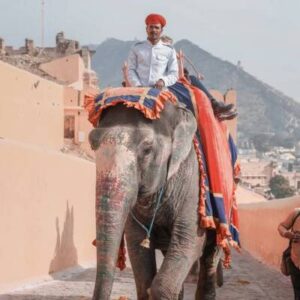
Sheesh Mahal, elephant rides, light & sound show
City Palace
Palace
Museums, art galleries, Peacock Gate, Royal family residence
Hawa Mahal
Landmark
953 windows, pink façade, photographs at sunrise
Jantar Mantar
Science
Astronomical instruments, UNESCO status
Nahargarh Fort
Fort/View
Sunsets, city views, step wells
Jal Mahal
Water Palace
Photogenic palace in Man Sagar Lake
Albert Hall Museum
Museum
Rajasthani artifacts, paintings, textiles
Birla Mandir
Temple
White marble temple, evening serenity
Galtaji (Monkey Temple)
Temple/Nature
Holy water tanks, hundreds of monkeys, scenic setting
Johari Bazaar
Market
Jewelry, gemstone shopping
Bapu Bazaar
Market
Colorful textiles, mojari, souvenirs
Food in Jaipur: A Royal Affair
Jaipur’s cuisine carries the grandeur of its noble past and the bold flavors of the desert. Expect a feast of spices, textures, and traditional preparation techniques.
Chandpole Bazaar: Marble carvings and handicraft souvenirs.
Sireh Deori Bazaar: Opposite Hawa Mahal, famous for leather goods and puppets.
Bargain respectfully but don’t miss out on authentic souvenirs!
Traditions, Festivals & Local Life
Jaipur is Rajasthan’s cultural powerhouse, staging pageantry and timeless traditions year-round.
Major Festivals:
Teej: Monsoon festival with swings, processions, and songs for the goddess Parvati.
Gangaur: Celebrates the union of Shiva and Parvati; marked by colorful processions.
Jaipur Literature Festival: World’s largest literary event, attracting authors, thinkers, and artists globally.
Diwali & Holi: The city lights up with fireworks, diyas (lamps), and vibrant colors.
Makar Sankranti: The sky fills with kites.
Performing Arts:
Traditional dances like Ghoomar and Kalbeliya.
Puppet shows and folk music in evening cultural programs.
Sufi Qawwalis and Rajasthani classical music at heritage hotels and havelis.
Local Life:
Morning chai at roadside stalls, busy jewelry artisans at work, women in colorful lehengas, and the calls of street vendors—all echo a rhythm unique to Jaipur.
A Perfect 3-Day Jaipur Itinerary
Day 1: Royal Heritage & Architecture
Morning:
Begin at Amber Fort: Marvel at the Sheesh Mahal, explore courtyards, and catch the morning light over Maota Lake.
Midday:
Photo stop at Jal Mahal en route back to the city.
Lunch at a traditional restaurant—try Dal Baati Churma or Laal Maas.
Afternoon:
Visit City Palace: Tour museums, art collections, and the Peacock Gate.
Stroll to Jantar Mantar: Discover the world’s largest sundial.
Evening:
Admire the Hawa Mahal‘s façade at golden hour, then unwind with street snacks or a coffee in the old city.
Day 2: Culture, Nature & Local Bazaars
Morning:
Climb to Nahargarh Fort for panoramic sunrise views.
Midday:
Shop for jewelry and textiles at Johari and Bapu Bazaar.
Afternoon:
Visit Albert Hall Museum for a deep dive into Rajasthani art and history.
Evening:
Enjoy rooftop dining or catch a folk music/dance show at a heritage hotel.
Day 3: Spiritual Experiences & Offbeat Jaipur
Morning:
Discover the holy water tanks and playful monkeys at Galtaji Temple.
Explore vibrant village life at Anokhi Museum of Hand Printing.
Midday:
Visit the white marble Birla Mandir for peaceful reflection.
Afternoon:
Explore more bazaars or join a cooking class to master Rajasthani cuisine.
Evening:
Sunset at Jal Mahal or a walk along the city’s ancient walls.
Pro tips:
Most major sites are walkable within the pink city, but auto-rickshaws and app-based cabs are available.
Early mornings and late afternoons are best for sightseeing, avoiding both crowds and heat.
Essential Tips for First-Timers
When to Visit: October to March for pleasant weather; avoid peak summer heat.
Dress Code: Modest attire is appreciated, especially at temples and heritage sites.
Getting Around: The Jaipur Metro, autos, and cabs are reliable. Walking is enjoyable in the old city.
Tickets & Entry: Get combined or online tickets for popular sites (Amber Fort, City Palace, Jantar Mantar) to save time.
Cultural Etiquette: Remove shoes at religious places, ask before photographing locals.
Safety: Jaipur is generally safe but watch your belongings in crowded bazaars.
Language: English is widely spoken, but a few Hindi phrases are always welcomed.
Shopping: Purchase from government emporiums for assured quality in gemstones and crafts.
Food Caution: Savor street food but ensure it’s freshly made (especially in summer).
Jaipur’s Magic—A Beginning, Not an End
In Jaipur, every fort and palace inspires awe, every market brims with possibility, and every meal is an invitation to taste centuries of tradition. This city’s magic is immediate: from the pink grandeur of Hawa Mahal and the regal echoes of Amber Fort, to the chaos of the bazaars and the serenity of a sunset over Nahargarh.
As your Golden Triangle journey comes to its finale here, let Jaipur’s hospitality and wonder linger—whether in a gemstone bought on impulse, a sweet after dinner, or the memory of evening bells echoing across palace walls.
Jaipur will stay with you, sparkling as brilliantly as its jewels and as warmly as its desert sun. Welcome to the Pink City-where the royal past is never far from the present, and the story is always yours to discover.
Plan well, travel with wonder, and let Jaipur’s legacy of hospitality sweep you off your feet.